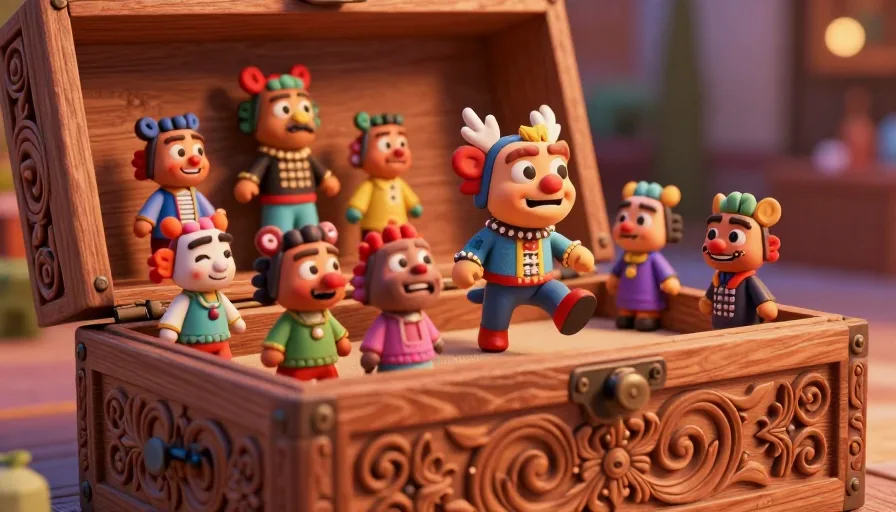
Mexican riddles, or adivinanzas, are a captivating way to enhance your Spanish vocabulary, deepen your cultural understanding, and sharpen your cognitive skills. By engaging with these traditional puzzles, you'll not only expand your lexicon but also gain insights into the rich tapestry of Spanish-speaking cultures. This guide will explore the benefits of Mexican riddles, provide popular examples, and offer practical tips for incorporating them into your language learning routine.
Why Mexican Riddles are the Ultimate Tool for Cultural Immersion
Mexican riddles offer a unique window into the cultural nuances of Spanish-speaking communities. They often draw on local folklore, everyday experiences, and regional idioms, providing learners with a more authentic and immersive experience. By solving these riddles, you'll encounter vocabulary and expressions that go beyond textbook phrases, helping you to think and communicate more like a native speaker.
Mini Drill: Cultural Context Clues
Try to guess the answers to the following riddles and consider the cultural context:
- Tiene cuatro patas y una cola, pero no es un animal. ¿Qué es?
- Es redonda y tiene muchas hojas, pero no es un libro. ¿Qué es?
Boosting Brain Power: How Solving Adivinanzas Improves Spanish Learning
Solving Mexican riddles isn't just about vocabulary acquisition; it's also a powerful tool for enhancing cognitive flexibility and critical thinking. Riddles challenge you to make creative word connections, think outside the box, and approach problems from different angles. This mental exercise can improve your overall language proficiency and make you a more agile thinker.
The Cognitive Benefits of Riddles
- Flexible Thinking: Riddles encourage you to consider multiple meanings and interpretations, fostering adaptable thinking.
- Creative Word Connections: They help you associate new words with familiar concepts, aiding in retention and recall.
- Problem-Solving: Riddles sharpen your analytical skills, making you better equipped to tackle complex language challenges.

Learn Languages with YouTube
Watch videos in your target language, auto-capture words into flashcards, and track your progress — all in one place.
See How It Works →Top 5 Essential Mexican Riddles for Intermediate Spanish Learners
Here are five popular Mexican riddles to test your skills and expand your vocabulary:
- Soy alto cuando estoy parado, soy bajo cuando estoy acostado. ¿Qué soy?
- Answer: Una vela (A candle)
- Tengo dientes pero no puedo morder. ¿Qué soy?
- Answer: Un peine (A comb)
- Tengo una cara y dos manos, pero no soy una persona. ¿Qué soy?
- Answer: Un reloj (A clock)
- Soy de metal y tengo alas, pero no puedo volar. ¿Qué soy?
- Answer: Un avión de papel (A paper airplane)
- Tengo muchas hojas pero no soy un árbol. ¿Qué soy?
- Answer: Un libro (A book)
How to Use Mexican Riddles as an Active Learning Tool for Vocabulary Retention
To maximize the benefits of Mexican riddles, incorporate them into your study routine with these practical tips:
Checklist for Effective Riddle Practice
- Choose Riddles Wisely: Select riddles that introduce new vocabulary or reinforce words you're currently learning.
- Read Aloud: Pronounce the riddles aloud to improve your pronunciation and listening skills.
- Write Down Answers: Jot down your answers and the reasoning behind them to reinforce learning.
- Discuss with Native Speakers: Share riddles with Spanish-speaking friends or tutors to gain insights into cultural nuances and correct usage.
- Create Your Own: Craft your own riddles to challenge yourself and others, further deepening your understanding of the language.
Common Mistakes to Avoid When Solving Mexican Riddles
- Literal Translation: Don't rely on direct translations; consider the cultural and contextual meanings.
- Giving Up Too Soon: Persist and think creatively; the answer might be more straightforward than you think.
- Ignoring Grammar: Pay attention to grammatical clues; they can provide valuable hints.
Conclusion
Mexican riddles are more than just entertaining puzzles; they are a powerful tool for enhancing your Spanish vocabulary, cultural understanding, and cognitive skills. By incorporating these traditional brain teasers into your language learning journey, you'll gain a deeper appreciation for the richness of Spanish-speaking cultures and become a more proficient and confident speaker.
FAQ
Are Mexican riddles suitable for beginners?
While Mexican riddles can be enjoyable for beginners, they are often more beneficial for intermediate and advanced learners who have a solid foundation in Spanish vocabulary and grammar. Beginners might find them challenging but can still use them as a motivating goal to work towards.
Can solving riddles really improve my cognitive skills?
Yes, solving riddles can significantly improve cognitive skills such as flexible thinking, problem-solving, and creative word connections. These mental exercises help you approach language learning from different angles, making you a more agile and proficient speaker.
How can I find more Mexican riddles to practice with?
You can find Mexican riddles in various resources, including Spanish language learning books, online forums, and cultural websites. Additionally, engaging with native Spanish speakers or joining language exchange groups can provide you with authentic and culturally rich riddles to solve.
Related phrases
Start with Metheus
Watch videos in your target language, auto-capture words into flashcards, and track your progress — all in one place.
Get Started →

