Christmas in Mexico is a vibrant and joyous celebration filled with unique traditions and heartfelt greetings. Understanding the nuances of a Mexico Christmas greeting can greatly enhance your cultural immersion and language skills. This guide will delve into the cultural context, formal vs. informal greetings, and related holiday vocabulary, providing you with practical examples and checklists to master the art of Mexican Christmas greetings.
The Heart of Mexican Christmas Greetings: Beyond 'Merry Christmas'
The most common Mexico Christmas greeting is 'Feliz Navidad,' which translates to 'Merry Christmas.' However, there's more to it than just a simple translation. The sentiment behind 'Feliz Navidad' is deeply rooted in Mexican culture, reflecting the warmth and joy of the holiday season. Here are some common greetings you might hear:
- Feliz Navidad: Merry Christmas
- Próspero Año Nuevo: Happy New Year
- Felices Fiestas: Happy Holidays
- Que pasen una Navidad llena de bendiciones: May you have a Christmas filled with blessings
Practical Examples
- In a card: Querido amigo, Feliz Navidad y Próspero Año Nuevo. Espero que pasen una Navidad llena de bendiciones. Con cariño, [Tu Nombre]. (Dear friend, Merry Christmas and Happy New Year. I hope you have a Christmas filled with blessings. With love, [Your Name].)
- In conversation: ¡Feliz Navidad! ¿Cómo has estado? (Merry Christmas! How have you been?)
Mastering Formality: When to Use 'Usted' vs. 'Tú' in Mexican Greetings
Understanding the difference between 'Usted' and 'Tú' is crucial for appropriate greeting. 'Usted' is formal and respectful, while 'Tú' is informal and used among friends and family.
Checklist for Formality
- Use 'Usted' for: Elders, supervisors, and people you've just met.
- Use 'Tú' for: Friends, family, and people you're familiar with.
Mini Drill
Practice switching between formal and informal greetings:
- Formal: ¿Cómo está usted? (How are you?)
- Informal: ¿Cómo estás? (How are you?)
Cultural Immersion: Understanding the Sentiment Behind 'Feliz Navidad'
'Feliz Navidad' is more than just a greeting; it's an expression of goodwill and joy. Mexicans often exchange heartfelt wishes and blessings during the holiday season. Here are some ways to express deeper sentiments:
- Que la paz y el amor de Navidad llenen su corazón y su hogar: May the peace and love of Christmas fill your heart and home.
- Deseo que esta Navidad traiga mucha alegría y prosperidad a su vida: I wish this Christmas brings much joy and prosperity to your life.
Practical Examples
- In a card: Que la paz y el amor de Navidad llenen su corazón y su hogar. Feliz Navidad y Próspero Año Nuevo. Con afecto, [Tu Nombre]. (May the peace and love of Christmas fill your heart and home. Merry Christmas and Happy New Year. With affection, [Your Name].)
- In conversation: Deseo que esta Navidad traiga mucha alegría y prosperidad a su vida. ¡Feliz Navidad! (I wish this Christmas brings much joy and prosperity to your life. Merry Christmas!)
Contextual Usage: Greetings for Cards, Conversation, and Cultural Immersion
The way you use greetings can vary depending on the context. Here are some guidelines:
- Cards: Use formal greetings and heartfelt wishes.
- Conversation: Be mindful of the formality level and use appropriate greetings.
- Cultural Immersion: Engage in local traditions and use greetings that reflect the cultural context.
Checklist for Contextual Usage
- For cards: Use 'Feliz Navidad' and add a personal touch.
- For conversation: Start with 'Feliz Navidad' and follow up with a question or wish.
- For cultural immersion: Participate in local events and use greetings that reflect the local customs.

Learn Languages with YouTube
Watch videos in your target language, auto-capture words into flashcards, and track your progress — all in one place.
See How It Works →Related Holiday Vocabulary Specific to Mexican Christmas
Expanding your vocabulary can enrich your holiday experience. Here are some key terms:
- Posada: A traditional Christmas celebration where people reenact Mary and Joseph's search for shelter.
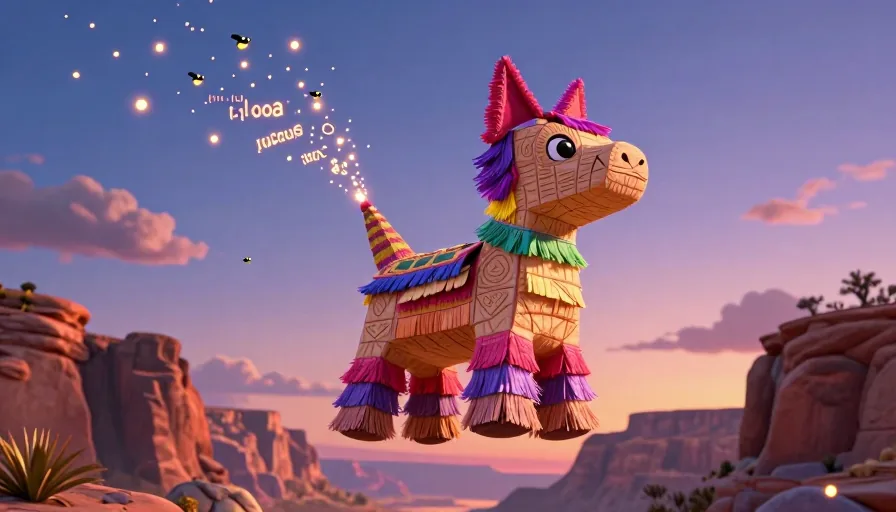
- Piñata: A decorated container filled with candy and small toys, often broken open during celebrations.
- Nacimiento: A nativity scene, often elaborately decorated and displayed in homes and churches.
- Villancicos: Traditional Christmas carols sung during the holiday season.
Mini Drill
Practice using these terms in sentences:
- Posada: Vamos a la posada esta noche. (We are going to the posada tonight.)
- Piñata: Los niños están emocionados por romper la piñata. (The children are excited to break the piñata.)
- Nacimiento: El nacimiento en la iglesia es muy hermoso. (The nativity scene in the church is very beautiful.)
- Villancicos: Cantamos villancicos durante la posada. (We sing villancicos during the posada.)
Deep Dive into Cultural Etiquette Specific to Mexican Christmas Greetings
Cultural etiquette plays a significant role in how greetings are used. Here are some tips:
- Greetings with a smile: Mexicans value warmth and friendliness. Always greet with a smile.
- Use of 'Por favor' and 'Gracias': Be polite and use 'por favor' (please) and 'gracias' (thank you) frequently.
- Greeting elders first: Show respect by greeting elders before younger individuals.
Practical Examples
- Greeting with a smile: ¡Feliz Navidad! ¿Cómo está? (Merry Christmas! How are you?)
- Using 'Por favor' and 'Gracias': Por favor, pase una Navidad llena de bendiciones. Gracias por su amabilidad. (Please have a Christmas filled with blessings. Thank you for your kindness.)
- Greeting elders first: Buenos días, Don Juan. Feliz Navidad. ¿Cómo está? (Good morning, Mr. Juan. Merry Christmas. How are you?)
Comparison of Formal vs. Informal Ways to Greet People
Understanding the nuances between formal and informal greetings can help you navigate social interactions more effectively.
Checklist for Formal vs. Informal Greetings
- Formal: Use 'Usted' and more formal language.
- Informal: Use 'Tú' and more casual language.
Mini Drill
Practice switching between formal and informal greetings:
- Formal: ¿Cómo está usted? (How are you?)
- Informal: ¿Cómo estás? (How are you?)
Integration of Cultural Context Rather Than Just a List of Phrases
To truly master Mexican Christmas greetings, it's essential to understand the cultural context behind them. Here are some tips:
- Participate in local traditions: Engage in local celebrations and use greetings that reflect the cultural context.
- Observe and learn: Pay attention to how locals greet each other and adapt your greetings accordingly.
- Practice with locals: Engage in conversations with locals and practice using greetings in real-life situations.
Practical Examples
- Participate in local traditions: Vamos a la posada y cantamos villancicos. (Let's go to the posada and sing villancicos.)
- Observe and learn: He notado que los mexicanos usan 'Feliz Navidad' mucho durante esta época. (I've noticed that Mexicans use 'Feliz Navidad' a lot during this time.)
- Practice with locals: He estado practicando mis saludos navideños con mis amigos mexicanos. (I've been practicing my Christmas greetings with my Mexican friends.)
By following this comprehensive guide, you'll be well-equipped to master the art of Mexico Christmas greeting and immerse yourself in the rich cultural traditions of Mexican Christmas.
FAQ
What is the most common Mexico Christmas greeting?
The most common Mexico Christmas greeting is 'Feliz Navidad,' which translates to 'Merry Christmas.' It is widely used in both formal and informal settings.
When should I use 'Usted' vs. 'Tú' in Mexican greetings?
Use 'Usted' for formal settings, such as greeting elders, supervisors, or people you've just met. Use 'Tú' for informal settings, such as greeting friends, family, or people you're familiar with.
What are some related holiday vocabulary specific to Mexican Christmas?
Some related holiday vocabulary includes 'Posada' (a traditional Christmas celebration), 'Piñata' (a decorated container filled with candy), 'Nacimiento' (a nativity scene), and 'Villancicos' (traditional Christmas carols).
Related phrases
Start with Metheus
Watch videos in your target language, auto-capture words into flashcards, and track your progress — all in one place.
Get Started →

