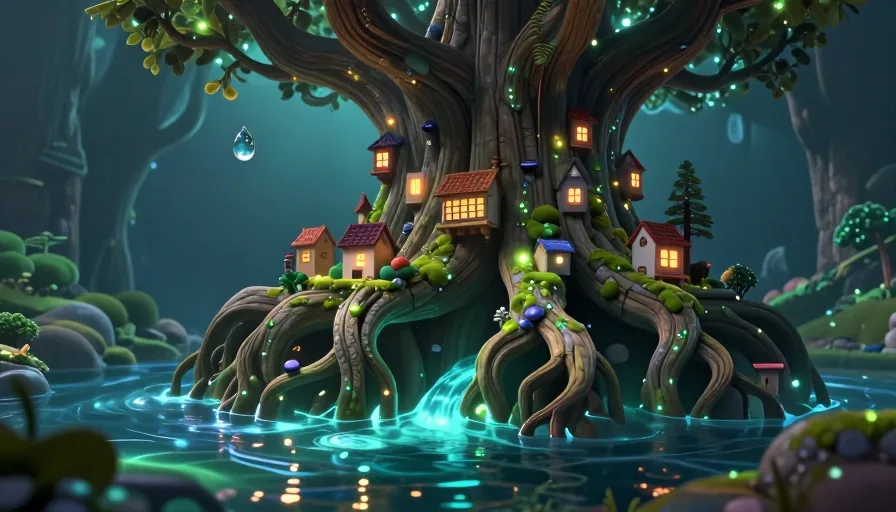
Learning how to express nature in Spanish is essential for any language learner who wants to discuss the environment, describe landscapes, or talk about outdoor activities. This guide will help you master the core translations, understand gender and article usage, and use natural phrases in various contexts.
The Core Translation: Nature in Spanish
The most common translation for 'nature' in Spanish is 'la naturaleza.' This term is used to refer to the natural world, including plants, animals, and landscapes. It is a feminine noun, so it requires the use of feminine articles and adjectives.
Common Mistakes
A common mistake is using 'naturaleza' without the article 'la.' Remember, in Spanish, you almost always need to use an article with nouns. So, it should be 'la naturaleza' not just 'naturaleza.'
Mini Drill: Article Usage
Complete the following sentences with the correct article:
- … naturaleza es hermosa.
- Me gusta estar en … naturaleza.
- La … naturaleza es un regalo de Dios.
Mastering Gender and Articles (El vs. La)
In Spanish, every noun has a gender, either masculine (el) or feminine (la). Understanding this is crucial for correct grammar. 'Naturaleza' is feminine, so you use 'la' as the article.
Checklist for Gender Agreement
- Identify the gender of the noun (feminine for 'naturaleza')
- Use the correct article (la for feminine nouns)
- Ensure adjectives agree in gender and number
Practical Examples
- La naturaleza es hermosa. (Nature is beautiful.)
- El parque es un lugar para disfrutar de la naturaleza. (The park is a place to enjoy nature.)
Essential Vocabulary: Describing the Natural World
To describe the natural world in Spanish, you need a variety of adjectives and nouns. Here are some essential terms:
- Natural: Natural
- Salvaje: Wild
- Bosque: Forest
- Montaña: Mountain
- Río: River
- Playa: Beach
Idiomatic Expressions
Spanish has several idiomatic expressions related to nature. For example:
- Estar en la naturaleza: To be in nature
- Volver a la naturaleza: To return to nature
- Ser una persona de naturaleza tranquila: To be a calm person
Mini Drill: Idiomatic Expressions
Translate the following sentences into Spanish:
- I like to be in nature.
- She returned to nature after a stressful week.
- He is a calm person by nature.

Learn Languages with YouTube
Watch videos in your target language, auto-capture words into flashcards, and track your progress — all in one place.
See How It Works →Putting It Into Practice: Natural Phrases and Sentences
Using 'nature' in Spanish goes beyond simple translations. Here are some practical phrases and sentences for different contexts:
Describing Scenery
- La naturaleza en este parque es impresionante. (The nature in this park is impressive.)
- Me encanta el sonido de la naturaleza por la mañana. (I love the sound of nature in the morning.)
Expressing Preference
- Prefiero estar en la naturaleza que en la ciudad. (I prefer to be in nature than in the city.)
- Me gusta hacer senderismo en la naturaleza. (I like to go hiking in nature.)
Cultural Context: How Spanish Speakers Talk About Nature
Spanish speakers often have a deep appreciation for nature, and this is reflected in their language. They use nature-related terms in everyday conversations, poetry, and literature. For example, the phrase 'volver a la naturaleza' (to return to nature) is often used to express a desire to escape the stresses of modern life and connect with the natural world.
Comparison: Formal vs. Informal
- Formal: La naturaleza es un recurso invaluable para la humanidad. (Nature is an invaluable resource for humanity.)
- Informal: Me encanta la naturaleza. (I love nature.)
Interactive Exercises for Gender Agreement Practice
To reinforce your understanding, try these exercises:
-
Fill in the Blanks: Complete the sentences with the correct form of the adjective.
- La naturaleza es … (beautiful)
- El parque es … (beautiful)
-
True or False: Determine if the following statements are true or false.
- La naturaleza es un sustantivo masculino. (False, it is feminine)
- El río es un sustantivo masculino. (True)
By mastering these concepts and practicing regularly, you'll be able to discuss nature in Spanish with confidence and fluency.
Conclusion
Understanding nature in Spanish involves more than just knowing the translation. It requires a grasp of gender and article usage, essential vocabulary, and cultural nuances. With this guide, you're well on your way to fluent conversations about the natural world in Spanish.
FAQ
What is the correct article to use with 'naturaleza'?
The correct article to use with 'naturaleza' is 'la' because 'naturaleza' is a feminine noun.
How do Spanish speakers talk about nature differently from English speakers?
Spanish speakers often use nature-related terms in everyday conversations, poetry, and literature, reflecting a deep appreciation for the natural world. They may use phrases like 'volver a la naturaleza' to express a desire to escape modern life stresses and connect with nature.
What are some common idiomatic expressions related to nature in Spanish?
Some common idiomatic expressions related to nature in Spanish include 'estar en la naturaleza' (to be in nature), 'volver a la naturaleza' (to return to nature), and 'ser una persona de naturaleza tranquila' (to be a calm person).
Related phrases
Start with Metheus
Watch videos in your target language, auto-capture words into flashcards, and track your progress — all in one place.
Get Started →

