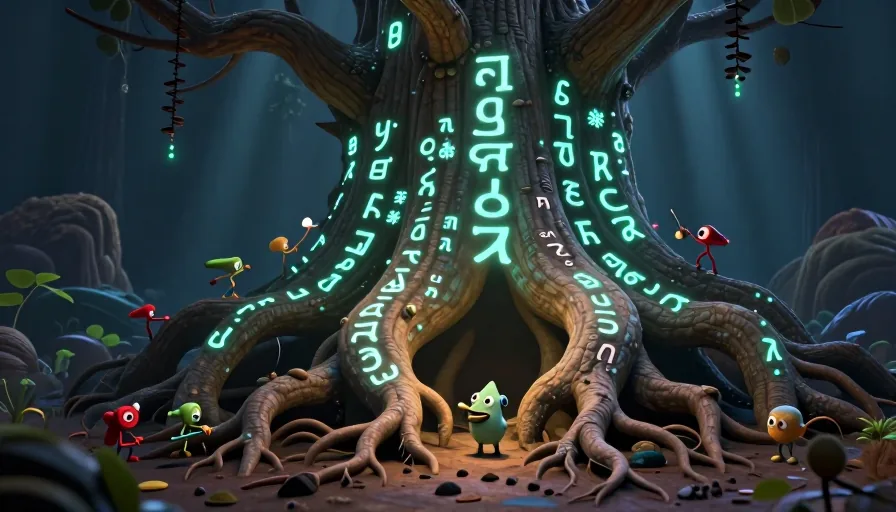
Obscure languages, often overlooked and underappreciated, are a vital part of our global linguistic tapestry. These languages, which are often on the brink of extinction, hold immense cultural significance and offer unique insights into the histories and traditions of their speakers. By exploring and learning these languages, we contribute to the preservation of cultural heritage and linguistic diversity. This guide will delve into the definition and classification of obscure languages, their cultural significance, the threats they face, and practical ways to begin studying them.
What Defines an Obscure Language?
Obscure languages are those that are spoken by a very small number of people, often in isolated communities. They are typically not widely documented or taught in formal educational settings. These languages can be classified into several categories:
- Endangered Languages: These are languages that are at risk of falling out of use as their speaker communities dwindle.
- Extinct Languages: These are languages that are no longer spoken by any living community.
- Unwritten Languages: These languages have no written form and are passed down orally.
- Isolated Languages: These languages have no known linguistic relatives and are unique to their speaker communities.
The Cultural Tapestry Woven by Rare Tongues
Obscure languages are more than just means of communication; they are repositories of cultural knowledge, traditions, and worldviews. For many communities, their language is intrinsically linked to their identity and sense of belonging. For instance, the Ainu language of Japan is not only a means of communication but also a vital link to the Ainu people's rich cultural heritage, including their traditional arts, music, and spiritual practices. Similarly, the Maori language of New Zealand is central to the Maori people's identity and is used in various cultural ceremonies and rituals.
Practical Examples of Cultural Significance
- Ainu Language (Japan): The Ainu language is crucial for preserving the Ainu people's unique cultural identity, which includes traditional dances, music, and storytelling.
- Maori Language (New Zealand): The Maori language is essential for maintaining the Maori people's cultural practices, including the haka, a traditional war dance, and the powhiri, a welcoming ceremony.
Strategies for Learning Endangered Languages
Learning an obscure language can be challenging, but it is also incredibly rewarding. Here are some practical steps and resources to help you get started:
1. Find a Community or Tutor
Connecting with native speakers or a community of learners can provide invaluable support and motivation. Websites like Tandem and iTalki offer platforms to connect with native speakers and language tutors.
2. Utilize Multimedia Resources
Incorporating multimedia resources such as videos, podcasts, and audio recordings can enhance your learning experience. For example, YouTube channels like Language Learning with Netflix offer language learning content in various languages, including some obscure ones.
3. Use Language Learning Apps
Apps like Duolingo and Memrise offer courses in a variety of languages, including some that are less commonly taught. While these apps may not cover obscure languages extensively, they can provide a good foundation in related languages.
4. Join Online Forums and Communities
Participating in online forums and communities can provide additional support and resources. Websites like Reddit have subreddits dedicated to language learning, where you can find discussions and resources on obscure languages.
5. Create a Study Plan
Developing a structured study plan can help you stay motivated and focused. Here is a sample study plan:
- Week 1-2: Familiarize yourself with the language's basic grammar and vocabulary.
- Week 3-4: Start practicing with native speakers or through multimedia resources.
- Week 5-6: Expand your vocabulary and grammar knowledge.
- Week 7-8: Engage in more advanced conversations and cultural activities.

Learn Languages with YouTube
Watch videos in your target language, auto-capture words into flashcards, and track your progress — all in one place.
See How It Works →Deep Dive: The Ainu Language
The Ainu language is a unique and endangered language spoken by the Ainu people, who are indigenous to Japan. The Ainu language has a rich history and cultural significance, but it is currently at risk of extinction due to various factors, including assimilation policies and the lack of formal education in the language.
Cultural Significance
The Ainu language is central to the Ainu people's cultural identity. It is used in traditional ceremonies, songs, and dances, and is a vital link to their ancestral heritage. The language reflects the Ainu people's deep connection to nature and their unique worldview.
Learning Resources
- Ainu Language Course: The Ainu Language Course is an online course that offers lessons in the Ainu language. The course covers basic grammar, vocabulary, and cultural context.
- Ainu Language Dictionary: The Ainu Language Dictionary is a comprehensive resource for learning the Ainu language. It includes definitions, examples, and cultural notes.
- Ainu Language Videos: There are several videos available online that feature native speakers of the Ainu language. These videos can provide valuable insights into the language's pronunciation, intonation, and cultural context.
Deep Dive: The Maori Language
The Maori language is the indigenous language of New Zealand and is spoken by the Maori people. It is a vital part of the Maori people's cultural identity and is used in various cultural ceremonies and rituals. The Maori language has a rich history and cultural significance, and efforts are being made to preserve and revitalize it.
Cultural Significance
The Maori language is central to the Maori people's cultural identity. It is used in traditional ceremonies, songs, and dances, and is a vital link to their ancestral heritage. The language reflects the Maori people's deep connection to nature and their unique worldview.
Learning Resources
- Maori Language Course: The Maori Language Course is an online course that offers lessons in the Maori language. The course covers basic grammar, vocabulary, and cultural context.
- Maori Language Dictionary: The Maori Language Dictionary is a comprehensive resource for learning the Maori language. It includes definitions, examples, and cultural notes.
- Maori Language Videos: There are several videos available online that feature native speakers of the Maori language. These videos can provide valuable insights into the language's pronunciation, intonation, and cultural context.
Conclusion
Learning an obscure language is not just about acquiring a new skill; it is about preserving a piece of cultural heritage. By studying these languages, we contribute to the preservation of linguistic diversity and help keep these unique cultural treasures alive. Whether you are a language enthusiast, a cultural preservationist, or simply curious about the world's linguistic diversity, exploring obscure languages is a rewarding journey.
Mini Drill: Identify Obscure Languages
Try to identify the following obscure languages based on their descriptions:
- Spoken in Japan, used in traditional ceremonies and dances: Ainu
- Indigenous to New Zealand, central to Maori cultural identity: Maori
- Spoken in isolated communities, often passed down orally: [Your Answer]
Checklist for Learning an Obscure Language
- Find a community or tutor
- Utilize multimedia resources
- Use language learning apps
- Join online forums and communities
- Create a study plan
By following these steps and utilizing the resources mentioned, you can embark on a rewarding journey of learning and preserving obscure languages.
FAQ
Why should I learn an obscure language?
Learning an obscure language is not just about acquiring a new skill; it is about preserving a piece of cultural heritage. By studying these languages, you contribute to the preservation of linguistic diversity and help keep these unique cultural treasures alive. Additionally, learning an obscure language can provide a deeper understanding of the culture and history of the people who speak it.
What are the challenges of learning an obscure language?
Learning an obscure language can be challenging due to the lack of resources, limited speaker communities, and the absence of formal educational settings. However, with dedication and the right resources, it is possible to overcome these challenges and make significant progress in learning the language.
How can I find resources for learning an obscure language?
Finding resources for learning an obscure language can be challenging, but there are several ways to do so. You can connect with native speakers or a community of learners, utilize multimedia resources, use language learning apps, join online forums and communities, and create a structured study plan. Additionally, you can explore online courses, dictionaries, and videos that feature native speakers of the language.
Related phrases
Start with Metheus
Watch videos in your target language, auto-capture words into flashcards, and track your progress — all in one place.
Get Started →

