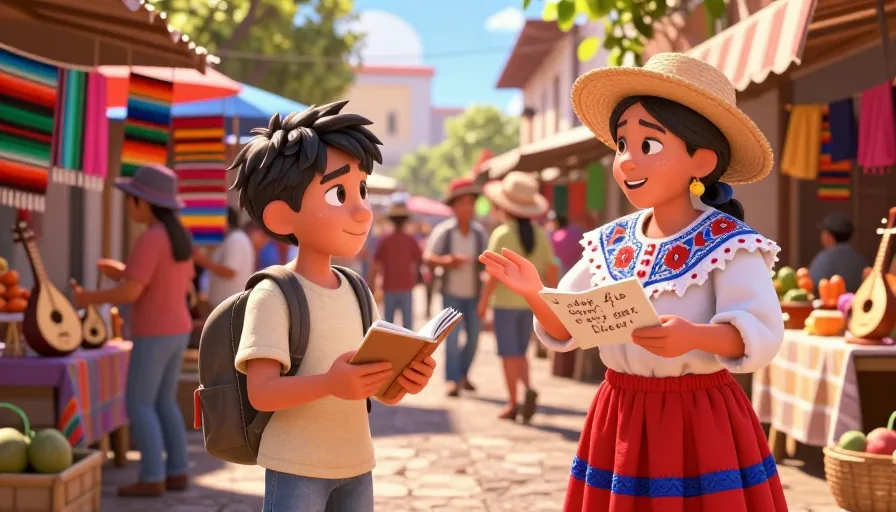
Paraguay is a vibrant country with a rich linguistic heritage. Mastering Paraguayan phrases is key to immersing yourself in the local culture and communicating effectively with locals. Paraguayan Spanish is uniquely influenced by Guaraní, an indigenous language, creating a distinctive blend that sets it apart from other Spanish dialects. This guide will help you navigate the essential slang and regional expressions, providing practical examples and tips for different social settings.
The Guaraní Influence: Why Paraguayan Spanish Sounds Different
Paraguayan Spanish is deeply influenced by Guaraní, a Tupí-Guaraní language spoken by the indigenous people of Paraguay. This influence is evident in the vocabulary, grammar, and even the pronunciation of words. For instance, the word 'haku' (meaning 'yes') is a Guaraní term that has been integrated into everyday Paraguayan Spanish. Understanding this linguistic blend is crucial for mastering Paraguayan phrases.
Key Differences in Vocabulary and Grammar
- Vocabulary: Many Paraguayan phrases are direct translations from Guaraní. For example, 'chipá' refers to a type of cheese bread, and 'chera’a' means 'friend' or 'buddy'.
- Grammar: Paraguayan Spanish often uses Guaraní grammatical structures. For instance, the use of 'che' as a possessive pronoun is common (e.g., 'che casa' for 'my house').
- Pronunciation: The pronunciation of certain words is influenced by Guaraní, making it sound distinct from other Spanish dialects.
Essential Paraguayan Slang: Phrases for Daily Conversation
Learning essential Paraguayan slang will help you sound more authentic and build rapport with locals. Here are some key terms and phrases:
Common Slang Terms
- Haku: Yes
- Chipá: A type of cheese bread
- Chera’a: Friend or buddy
- Tere: A type of herbal tea
- Mba’e: A term of endearment, similar to 'dude' or 'bro'
Practical Examples
- Haku, ¿cómo estás?: Yes, how are you?
- Vamos a tomar un tereré: Let's have some tereré (a traditional Paraguayan drink)
- ¿Dónde está el chipá?: Where is the chipá?
- Che chera’a, ¿cómo andás?: My friend, how are you?

Learn Languages with YouTube
Watch videos in your target language, auto-capture words into flashcards, and track your progress — all in one place.
See How It Works →Navigating Social Settings: Slang for Bars, Markets, and Socializing
Paraguayan slang varies depending on the social setting. Here’s how to use it effectively in different contexts:
Bars and Social Gatherings
- ¡Tranquilopa, chera’a!: Take it easy, buddy!
- ¿Qué onda, mba’e?: What's up, dude?
- Vamos a tomar una cerveza: Let's have a beer
Markets and Daily Life
- ¿Cuánto cuesta?: How much does it cost?
- ¿Dónde está el baño?: Where is the bathroom?
- ¿Me puede ayudar?: Can you help me?
Mini Drill: Practice Your Paraguayan Phrases
- Imagine you are in a bar with friends. What would you say to order a drink?
- You are at a market and want to ask for the price of an item. What phrase would you use?
- You meet a new friend and want to ask how they are. What would you say?
Tips for Using Slang to Sound More Authentic and Build Rapport
Using slang effectively can enhance your communication and help you connect with locals. Here are some tips:
Be Contextually Appropriate
- Understand the Context: Use slang that fits the situation. For example, 'tranquilopa' is more suitable for casual settings like bars or social gatherings.
- Observe Locals: Pay attention to how locals use slang and mimic their usage.
- Practice Regularly: The more you practice, the more natural it will sound.
Common Mistakes to Avoid
- Overusing Slang: Avoid using slang in formal settings or with people who may not understand it.
- Mispronunciation: Ensure you pronounce the words correctly to avoid misunderstandings.
- Inappropriate Use: Be mindful of the context and the people you are speaking to.
Checklist for Mastering Paraguayan Phrases
- Learn common slang terms and their meanings.
- Practice using slang in different social settings.
- Observe how locals use slang and mimic their usage.
- Be contextually appropriate and avoid overusing slang.
- Regularly practice pronunciation to sound more authentic.
Conclusion
Mastering Paraguayan phrases is a rewarding experience that will enhance your travel and cultural immersion. By understanding the Guaraní influence, learning essential slang, and using it appropriately in different settings, you can communicate more effectively and build stronger connections with locals. Embrace the unique blend of Paraguayan Spanish and Guaraní, and enjoy your linguistic journey!
FAQ
Is it necessary to learn Guaraní to understand Paraguayan Spanish?
While learning Guaraní can enhance your understanding of Paraguayan Spanish, it is not necessary. Many Paraguayan phrases are direct translations from Guaraní, but you can still communicate effectively by focusing on the essential slang and regional expressions.
Can I use Paraguayan slang in formal settings?
It is generally best to avoid using slang in formal settings. Slang is more appropriate for casual, social contexts. In formal situations, stick to standard Spanish to ensure clear communication and respect for the setting.
How can I practice Paraguayan phrases effectively?
Practice regularly by engaging in conversations with locals, observing how they use slang, and mimicking their usage. Use the mini drills provided in this guide to practice in different social settings and build your confidence.
Related phrases
Start with Metheus
Watch videos in your target language, auto-capture words into flashcards, and track your progress — all in one place.
Get Started →

