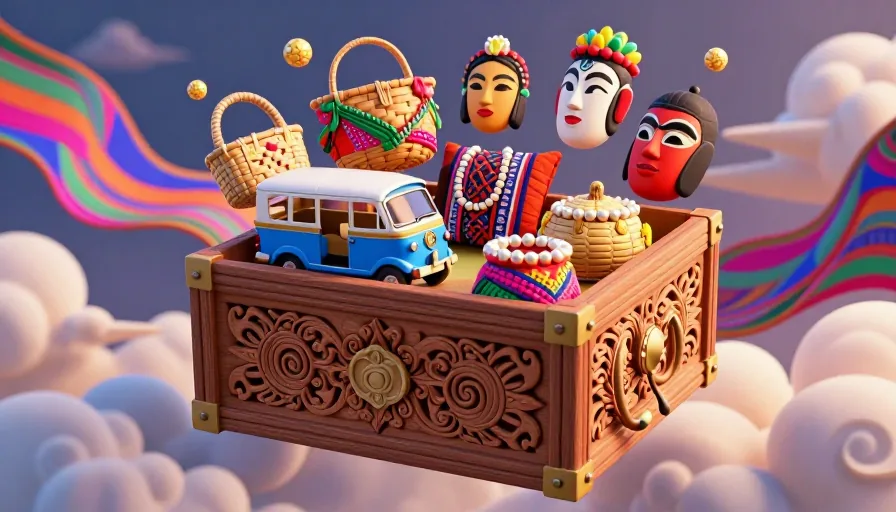
Pasalubong is a Filipino tradition of bringing home gifts for family and friends after traveling. Mastering pasalubong English involves understanding the cultural significance of these gifts and learning how to describe them effectively in English. This guide will equip you with the necessary vocabulary, phrases, and cultural context to communicate about pasalubong gifts to international visitors or buyers.
Understanding the Concept: What is Pasalubong?
Pasalubong is more than just a gift; it's a symbol of thoughtfulness and connection. When Filipinos travel, they often bring back local delicacies, souvenirs, or special items to share with their loved ones. This tradition fosters a sense of community and excitement, as recipients eagerly anticipate the unique items their travelers have chosen.
Mini Drill: Pasalubong Vocabulary
Before diving deeper, let's start with a mini drill to familiarize yourself with basic pasalubong vocabulary:
- Pasalubong - Gift brought back from a trip
- Balikbayan - A returning Filipino or someone who brings pasalubong
- Sundo - A small gift or souvenir
- Regalo - A gift or present
- Kakanin - Traditional Filipino sweets or snacks
Essential English Vocabulary for Describing Pasalubong
To effectively describe pasalubong items, you need a range of vocabulary. Here are some categories and examples:
Food Items
- Kakanin (rice cakes, glutinous rice treats)
- Biko (sticky rice cake with coconut milk and sugar)
- Puto (steamed rice cake)
- Sapin-sapin (layered glutinous rice and coconut milk)
- Chocolates and Sweets
- Tablea (cocoa tablets)
- Polvoron (powdered milk and sugar candy)
- Turon (banana and jackfruit spring rolls)
- Dried Fruits and Nuts
- Cashews
- Mangoes
- Pineapples
Non-Food Items
- Souvenirs
- Keychains
- Magnets
- Postcards
- Clothing and Accessories
- Barong Tagalog (traditional Filipino shirt)
- Sling bags
- Scarves
- Decorative Items
- Handicrafts
- Pottery
- Wood carvings
Checklist: Describing Pasalubong Items
- Use specific names for food items (e.g., biko, puto)
- Describe the taste, texture, and appearance of food items
- Mention the origin or region of the pasalubong
- Explain the cultural significance or traditional use of the item
- Provide context on how the item is typically enjoyed or used
Conversational Scenarios: Talking About Pasalubong
Explaining the Gift
- Visitor: What is this pasalubong you brought for me?
- You: This is a traditional Filipino pasalubong. It's a biko, a type of kakanin made from glutinous rice, coconut milk, and sugar. It's a sweet treat that's popular in the Philippines.
Negotiating or Explaining Value
- Buyer: How much is this pasalubong?
- You: This barong Tagalog is handmade by local artisans. It's not just a shirt; it's a piece of Filipino culture. The intricate design and high-quality fabric make it a valuable item. I'm selling it for $50, but I can negotiate if you're interested in more than one.
Cultural Nuances: Explaining the Meaning Behind the Gift
- Visitor: Why is pasalubong so important in Filipino culture?
- You: Pasalubong is more than just a gift; it's a way to share experiences and strengthen bonds. When someone brings pasalubong, they're not just giving a physical item but also the memories and love from their travels. It's a tradition that brings people together and creates a sense of community.

Learn Languages with YouTube
Watch videos in your target language, auto-capture words into flashcards, and track your progress — all in one place.
See How It Works →Cultural Nuances: Explaining the Meaning Behind the Gift
Common Mistakes to Avoid
- Mistake 1: Using generic terms instead of specific names (e.g., saying 'cake' instead of 'biko')
- Mistake 2: Not explaining the cultural significance of the pasalubong
- Mistake 3: Failing to provide context on how the item is typically enjoyed or used
- Mistake 4: Overlooking the emotional and social aspects of pasalubong
Checklist: Explaining Pasalubong to Non-Filipinos
- Start with a brief explanation of what pasalubong is
- Describe the item using specific names and details
- Explain the cultural significance and traditional use of the pasalubong
- Share personal anecdotes or stories related to pasalubong
- Encourage questions and engage in a conversation about the gift
Practical Phrases for Pasalubong Conversations
Describing the Gift
- This pasalubong is a special treat from my hometown.
- I chose this unique item because it represents our local culture.
- This pasalubong is a symbol of love and thoughtfulness.
Explaining the Cultural Significance
- In the Philippines, pasalubong is a way to share experiences and strengthen bonds.
- Pasalubong is more than just a gift; it's a tradition that brings people together.
- When someone brings pasalubong, they're not just giving a physical item but also the memories and love from their travels.
Negotiating or Explaining Value
- This pasalubong is handmade by local artisans and has a lot of cultural value.
- The intricate design and high-quality materials make this pasalubong a valuable item.
- I'm selling this pasalubong for [price], but I can negotiate if you're interested in more than one.
FAQ
Why is pasalubong important in Filipino culture?
Pasalubong is important because it represents thoughtfulness, love, and the desire to share experiences. It's a tradition that brings people together and creates a sense of community. When someone brings pasalubong, they're not just giving a physical item but also the memories and love from their travels.
How do I choose the right pasalubong for someone?
Choosing the right pasalubong involves considering the recipient's interests and preferences. Think about what they like and what would make them happy. It's also important to choose items that represent your local culture or the place you're visiting. Personal touches, like a handwritten note, can make the pasalubong even more special.
What are some common pasalubong items?
Common pasalubong items include traditional sweets like biko and puto, local delicacies, souvenirs, handicrafts, and clothing items like the barong Tagalog. The type of pasalubong can vary depending on the region and the occasion.
How do I explain the value of pasalubong to a non-Filipino?
To explain the value of pasalubong to a non-Filipino, focus on the cultural significance and the emotional aspects of the tradition. Explain that pasalubong is more than just a gift; it's a way to share experiences, strengthen bonds, and create a sense of community. Provide context on how the item is typically enjoyed or used, and share personal anecdotes or stories related to pasalubong.
What are some common mistakes to avoid when talking about pasalubong?
Some common mistakes to avoid include using generic terms instead of specific names, not explaining the cultural significance of the pasalubong, failing to provide context on how the item is typically enjoyed or used, and overlooking the emotional and social aspects of pasalubong. Always aim to provide a comprehensive and engaging explanation that captures the essence of the tradition.
FAQ
Why is pasalubong important in Filipino culture?
Pasalubong is important because it represents thoughtfulness, love, and the desire to share experiences. It's a tradition that brings people together and creates a sense of community. When someone brings pasalubong, they're not just giving a physical item but also the memories and love from their travels.
How do I choose the right pasalubong for someone?
Choosing the right pasalubong involves considering the recipient's interests and preferences. Think about what they like and what would make them happy. It's also important to choose items that represent your local culture or the place you're visiting. Personal touches, like a handwritten note, can make the pasalubong even more special.
What are some common pasalubong items?
Common pasalubong items include traditional sweets like biko and puto, local delicacies, souvenirs, handicrafts, and clothing items like the barong Tagalog. The type of pasalubong can vary depending on the region and the occasion.
How do I explain the value of pasalubong to a non-Filipino?
To explain the value of pasalubong to a non-Filipino, focus on the cultural significance and the emotional aspects of the tradition. Explain that pasalubong is more than just a gift; it's a way to share experiences, strengthen bonds, and create a sense of community. Provide context on how the item is typically enjoyed or used, and share personal anecdotes or stories related to pasalubong.
What are some common mistakes to avoid when talking about pasalubong?
Some common mistakes to avoid include using generic terms instead of specific names, not explaining the cultural significance of the pasalubong, failing to provide context on how the item is typically enjoyed or used, and overlooking the emotional and social aspects of pasalubong. Always aim to provide a comprehensive and engaging explanation that captures the essence of the tradition.
Related phrases
Start with Metheus
Watch videos in your target language, auto-capture words into flashcards, and track your progress — all in one place.
Get Started →

