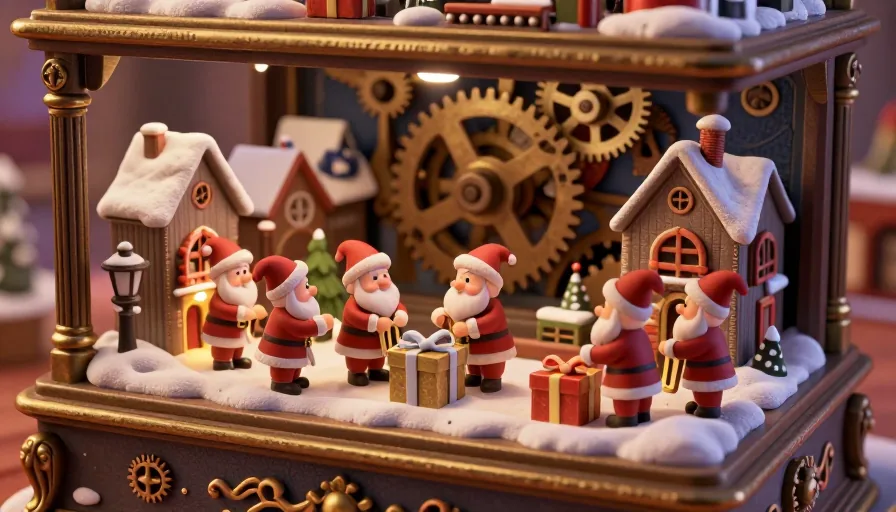
The direct answer: 'Père Noël' is the French name for Santa Claus. This term is deeply rooted in French culture and carries significant linguistic and cultural nuances. Understanding 'Père Noël' goes beyond a simple translation; it involves delving into the etymology, pronunciation, and cultural context that make this term unique.
What is 'Père Noël'? The Official French Term
In French-speaking cultures, 'Père Noël' is the official and widely accepted term for the Christmas gift-bringer. This name is used in France, Canada, Belgium, Switzerland, and other French-speaking regions. The term is so integral to the culture that it is often used interchangeably with Christmas itself. For example, children in France write letters to 'Père Noël' just as children in English-speaking countries write to Santa Claus.
Mini Drill: Translate and Practice
- Translate 'Santa Claus' into French.
- Write a short sentence using 'Père Noël' in context.
- Practice saying 'Père Noël' aloud.
Understanding the Etymology: Breaking Down 'Père Noël'
The term 'Père Noël' can be broken down into two parts: 'Père' and 'Noël'. 'Père' means 'father' in French, and 'Noël' means 'Christmas'. Therefore, 'Père Noël' literally translates to 'Father Christmas'. This name reflects the cultural belief that Santa Claus is a benevolent figure who brings gifts to children during the Christmas season.
Checklist: Key Etymological Points
- 'Père' means 'father'
- 'Noël' means 'Christmas'
- 'Père Noël' translates to 'Father Christmas'
- The term is deeply rooted in French Christmas traditions
How to Pronounce 'Père Noël' Correctly
Pronouncing 'Père Noël' correctly is essential for language learners. The phonetic breakdown is as follows:
- 'Père' is pronounced as /pɛʁ/
- 'Noël' is pronounced as /nɔ.ɛl/
Interactive Pronunciation Practice
- Listen to a native speaker pronounce 'Père Noël'.
- Repeat the pronunciation aloud, focusing on the correct sounds.
- Record yourself and compare it to the native speaker's pronunciation.

Learn Languages with YouTube
Watch videos in your target language, auto-capture words into flashcards, and track your progress — all in one place.
See How It Works →Père Noël vs. Santa Claus: A Cultural Comparison
While 'Père Noël' and 'Santa Claus' serve the same purpose in their respective cultures, there are notable differences. In French culture, 'Père Noël' is often depicted as a more traditional figure, wearing a long red robe and a hood, rather than the red suit and hat commonly associated with Santa Claus in English-speaking countries. Additionally, the traditions surrounding 'Père Noël' vary slightly. For example, in France, children leave their shoes by the fireplace on Christmas Eve, hoping that 'Père Noël' will fill them with gifts.
Cultural Contrasts
- Depiction: 'Père Noël' often wears a long red robe and hood, while Santa Claus wears a red suit and hat.
- Traditions: Children in France leave their shoes by the fireplace, while children in English-speaking countries leave stockings by the chimney.
- Language: 'Père Noël' is a direct translation of 'Father Christmas', emphasizing the paternal aspect of the figure.
Related Vocabulary: Expanding Your French Christmas Lexicon
Learning about 'Père Noël' opens the door to a wealth of related French Christmas vocabulary. Here are some key terms to expand your lexicon:
- Noël: Christmas
- Le sapin de Noël: Christmas tree
- Les cadeaux: Gifts
- Le père Fouettard: A figure who accompanies 'Père Noël' and is known for punishing naughty children (note: this figure is less common in modern French culture)
- Le réveillon de Noël: Christmas Eve dinner
Vocabulary Drill
- Match the French terms with their English translations.
- Use each term in a sentence.
- Practice pronouncing each term aloud.
Additional Cultural Insights: The Role of 'Père Noël' in French-Speaking Communities
In French-speaking communities, 'Père Noël' is more than just a gift-bringer; he is a symbol of joy, generosity, and the spirit of Christmas. Families gather to celebrate his arrival, and children eagerly await his visit. The traditions surrounding 'Père Noël' vary slightly from region to region, but the core values of love, family, and giving remain constant.
Cultural Immersion Tips
- Watch French Christmas movies: Films like 'Le Père Noël est une ordure' (Father Christmas is a Jerk) offer a unique perspective on French Christmas traditions.
- Read French Christmas stories: Books like 'Le Petit Prince' by Antoine de Saint-Exupéry can provide cultural insights.
- Participate in local celebrations: If possible, join French-speaking communities in their Christmas celebrations to experience the traditions firsthand.
Conclusion
Understanding 'Père Noël' and its cultural significance is a rewarding journey for language learners. By exploring the etymology, pronunciation, and cultural context, you gain a deeper appreciation for French language and culture. Whether you're a beginner or an advanced learner, delving into the world of 'Père Noël' offers a rich and immersive learning experience.
FAQ
Why is 'Père Noël' the correct term for Santa Claus in French?
'Père Noël' is the correct term because it is the widely accepted and official name for Santa Claus in French-speaking cultures. It translates to 'Father Christmas' and is deeply rooted in French Christmas traditions.
How do French children prepare for 'Père Noël'?
French children typically leave their shoes by the fireplace on Christmas Eve, hoping that 'Père Noël' will fill them with gifts. They also write letters to 'Père Noël' expressing their wishes for the holiday season.
What are some common misconceptions about 'Père Noël'?
One common misconception is that 'Père Noël' is the same as Santa Claus in every aspect. While they serve the same purpose, there are differences in depiction and traditions. For example, 'Père Noël' is often depicted wearing a long red robe and hood, and children in France leave their shoes by the fireplace.
Related phrases
Start with Metheus
Watch videos in your target language, auto-capture words into flashcards, and track your progress — all in one place.
Get Started →

