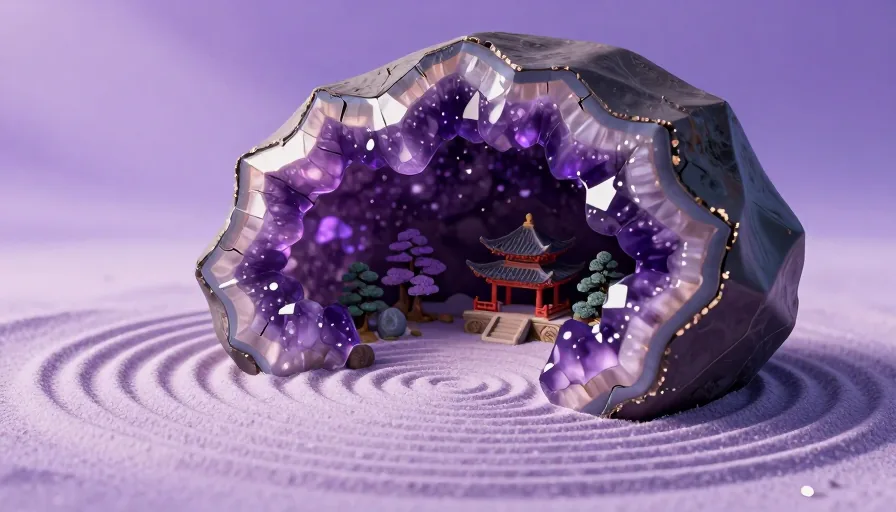
When learning a new language, understanding how to express colors is essential. This guide will help you master the nuances and usage of purple in Japanese, providing you with the tools to communicate effectively in various contexts.
The Most Common Way to Say 'Purple' in Japanese
The most common way to say 'purple' in Japanese is むらさき (murasaki). This term is widely used and recognized by native speakers. However, there are other words that can be used depending on the context and the specific shade of purple you are referring to.
Direct Translations for 'Purple' in Japanese
- むらさき (murasaki): This is the standard term for purple. It is versatile and can be used in various contexts, from describing clothing to natural phenomena.
- あい (ai): This term is often used to describe a lighter shade of purple, similar to lavender.
- すみれ (sumire): This word refers to a darker, more intense shade of purple.
Understanding Nuances: Purple vs. Other Shades
In Japanese, the perception of colors can be quite nuanced, and understanding these differences is crucial for accurate communication. Here are some related color vocabulary terms that can help you distinguish between different shades:
- 赤 (aka): Red
- 青 (ao): Blue
- 黄色 (kiiro): Yellow
- 緑 (midori): Green
- 茶色 (chairo): Brown
- 白 (shiro): White
- 黒 (kuro): Black
Practical Examples and Checklist
To help you practice and remember these terms, here is a checklist of example sentences and a mini drill:
Example Sentences
- そのスカートはむらさきです。 (Sono sukaato wa murasaki desu.) - That skirt is purple.
- この花はすみれ色です。 (Kono hana wa sumire-iro desu.) - This flower is a deep purple color.
- 彼の目はあい色です。 (Kare no me wa ai-iro desu.) - His eyes are a light purple color.
- このシャツはむらさきと青のストライプです。 (Kono shatsu wa murasaki to ao no sutoraipu desu.) - This shirt has purple and blue stripes.
- このリボンはむらさきと白のチェック柄です。 (Kono ribon wa murasaki to shiro no chekku-gara desu.) - This ribbon has a purple and white checkered pattern.
Mini Drill
- Describe the color of a purple flower using むらさき (murasaki).
- Describe the color of a light purple scarf using あい (ai).
- Describe the color of a deep purple dress using すみれ (sumire).
- Describe a shirt with purple and blue stripes using むらさき (murasaki) and 青 (ao).
- Describe a ribbon with a purple and white checkered pattern using むらさき (murasaki) and 白 (shiro).

Learn Languages with YouTube
Watch videos in your target language, auto-capture words into flashcards, and track your progress — all in one place.
See How It Works →Purple in Japanese Phrases and Sentences
Understanding how to use purple in Japanese in various phrases and sentences will help you communicate more effectively. Here are some practical examples:
- その服はむらさきでとても美しいです。 (Sono fuku wa murasaki de totemo utsukushii desu.) - That clothing is very beautiful in purple.
- このペイントはむらさきと青の組み合わせです。 (Kono peinto wa murasaki to ao no kumiawase desu.) - This paint is a combination of purple and blue.
- 彼の目はあい色でとても魅力的です。 (Kare no me wa ai-iro de totemo miryokuteki desu.) - His eyes are very charming in light purple.
- このリボンはむらさきと白のチェック柄です。 (Kono ribon wa murasaki to shiro no chekku-gara desu.) - This ribbon has a purple and white checkered pattern.
- この花はすみれ色でとても美しいです。 (Kono hana wa sumire-iro de totemo utsukushii desu.) - This flower is very beautiful in deep purple.
Common Mistakes to Avoid
When learning to express purple in Japanese, it's important to avoid common mistakes. Here are some tips to help you:
- Avoid Confusion with Similar Colors: Be careful not to confuse むらさき (murasaki) with other similar colors like 青 (ao) (blue) or 赤 (aka) (red).
- Use Context Appropriately: Understand the context in which you are using the color term. For example, あい (ai) is more appropriate for lighter shades, while すみれ (sumire) is better for darker shades.
- Practice Regularly: Regular practice will help you remember the terms and use them correctly in various contexts.
Cultural Context and Nuanced Usage
Unlike simple dictionary lookups, this guide focuses on how native speakers naturally use the word in different contexts. Understanding the cultural context can enhance your language learning experience. For example, むらさき (murasaki) is often associated with royalty and nobility in Japanese culture, adding a layer of depth to its usage.
Practical Examples and Checklist
To further solidify your understanding, here is a checklist of additional example sentences and a mini drill:
Example Sentences
- その服はむらさきでとても美しいです。 (Sono fuku wa murasaki de totemo utsukushii desu.) - That clothing is very beautiful in purple.
- このペイントはむらさきと青の組み合わせです。 (Kono peinto wa murasaki to ao no kumiawase desu.) - This paint is a combination of purple and blue.
- 彼の目はあい色でとても魅力的です。 (Kare no me wa ai-iro de totemo miryokuteki desu.) - His eyes are very charming in light purple.
- このリボンはむらさきと白のチェック柄です。 (Kono ribon wa murasaki to shiro no chekku-gara desu.) - This ribbon has a purple and white checkered pattern.
- この花はすみれ色でとても美しいです。 (Kono hana wa sumire-iro de totemo utsukushii desu.) - This flower is very beautiful in deep purple.
Mini Drill
- Describe the color of a purple flower using むらさき (murasaki).
- Describe the color of a light purple scarf using あい (ai).
- Describe the color of a deep purple dress using すみれ (sumire).
- Describe a shirt with purple and blue stripes using むらさき (murasaki) and 青 (ao).
- Describe a ribbon with a purple and white checkered pattern using むらさき (murasaki) and 白 (shiro).
Conclusion
Mastering the nuances and usage of purple in Japanese will enhance your language skills and cultural understanding. By practicing the examples and drills provided, you will be able to communicate effectively in various contexts. Happy learning!
FAQ
What is the most common way to say 'purple' in Japanese?
The most common way to say 'purple' in Japanese is **むらさき (murasaki)**. This term is widely used and recognized by native speakers.
How do I distinguish between different shades of purple in Japanese?
In Japanese, different shades of purple can be distinguished using terms like **あい (ai)** for a lighter shade and **すみれ (sumire)** for a darker shade. Understanding these nuances will help you communicate more accurately.
Are there any cultural associations with the color purple in Japanese?
Yes, **むらさき (murasaki)** is often associated with royalty and nobility in Japanese culture, adding a layer of depth to its usage. Understanding these cultural contexts can enhance your language learning experience.
Related phrases
Start with Metheus
Watch videos in your target language, auto-capture words into flashcards, and track your progress — all in one place.
Get Started →

