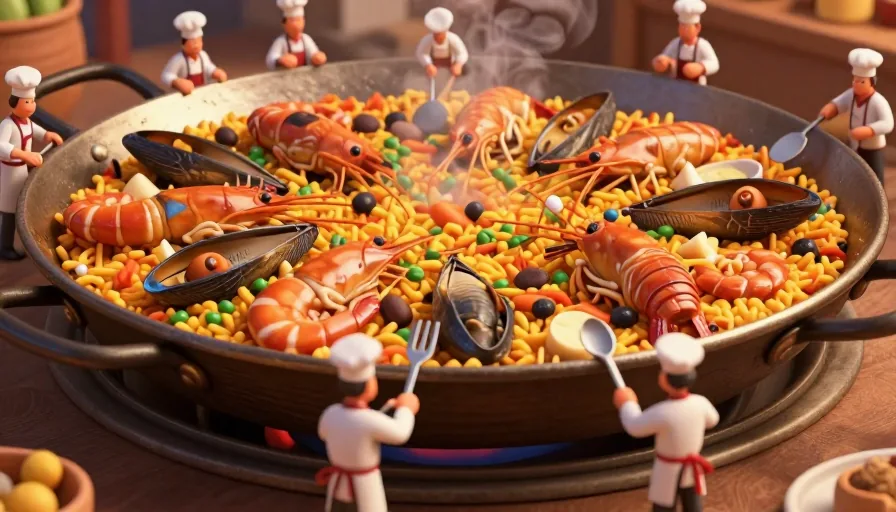
When traveling or living in Spanish-speaking countries, knowing how to order food and navigate a restaurant in Spanish is crucial. This guide will provide you with essential vocabulary, cultural tips, and practical dialogue examples to help you dine confidently.
Essential Vocabulary: Nouns and Verbs for Dining Out
Before you step into a restaurant, familiarize yourself with key nouns and verbs. Here’s a checklist to get you started:
Nouns
- El restaurante (the restaurant)
- El menú (the menu)
- La carta (the wine list)
- La cuenta (the bill)
- El camarero/a (the waiter/waitress)
- La mesa (the table)
- La silla (the chair)
- El plato (the dish)
- La bebida (the drink)
- El postre (the dessert)
Verbs
- Pedir (to order)
- Comer (to eat)
- Beber (to drink)
- Pagar (to pay)
- Disfrutar (to enjoy)
Understanding Spanish Noun Gender
In Spanish, nouns have a gender: masculine or feminine. For example, el restaurante is masculine, while la mesa is feminine. This affects the articles and adjectives used with them. For instance, you would say el restaurante bonito (the nice restaurant) but la mesa bonita (the nice table).
Navigating the Menu: Ordering Food and Drinks Confidently
Ordering food in a restaurant in Spanish can be intimidating, but with the right phrases, you’ll be ordering like a pro. Here are some essential phrases:
- ¿Qué me recomienda? (What do you recommend?)
- Quisiera pedir... (I would like to order...)
- ¿Qué tiene de especial hoy? (What is today’s special?)
- ¿Puedo ver la carta de vinos? (Can I see the wine list?)
- ¿Qué incluye este plato? (What does this dish include?)
- ¿Puedo pedir un plato sin...? (Can I order a dish without...?)
Practical Dialogue Example
Waiter: ¿Qué le gustaría pedir? You: Quisiera pedir el pollo a la parrilla y una ensalada, por favor. Waiter: ¿Y de beber? You: Una botella de agua, por favor.

Learn Languages with YouTube
Watch videos in your target language, auto-capture words into flashcards, and track your progress — all in one place.
See How It Works →Cultural Etiquette: Dining Customs in Spanish-Speaking Regions
Dining customs vary across Spanish-speaking countries. Here are some tips to help you navigate different cultural norms:
Spain
- Lunch (La comida): Typically served between 2:00 PM and 4:00 PM.
- Dinner (La cena): Usually late, around 9:00 PM or later.
- Tipping: Not mandatory, but rounding up the bill is appreciated.
Mexico
- Lunch (La comida): Usually between 2:00 PM and 3:00 PM.
- Dinner (La cena): Around 8:00 PM.
- Tipping: 10-15% is customary.
Argentina
- Lunch (El almuerzo): Around 1:00 PM.
- Dinner (La cena): Late, often after 9:00 PM.
- Tipping: Not mandatory, but rounding up the bill is appreciated.
Essential Phrases for Reservations and Service
Making reservations and asking for service in a restaurant in Spanish requires specific phrases. Here are some essential ones:
- ¿Tiene una mesa para dos a las ocho? (Do you have a table for two at eight?)
- ¿Puedo hacer una reserva para mañana? (Can I make a reservation for tomorrow?)
- ¿Puedo pedir la cuenta, por favor? (Can I have the bill, please?)
- ¿Puedo pedir un poco más de agua? (Can I have a little more water?)
- ¿Puedo pedir un poco más de tiempo? (Can I have a little more time?)
Practical Dialogue Example
You: ¿Tiene una mesa para dos a las ocho? Waiter: Sí, por supuesto. ¿Cuál es su nombre, por favor? You: Mi nombre es Juan. Waiter: Perfecto, Juan. Su mesa estará lista a las ocho.
Interactive Pronunciation Guides
To help you pronounce these phrases correctly, here are some interactive guides:
- El restaurante [el res-taur-an-te]
- ¿Qué me recomienda? [ke me re-ko-mien-da?]
- Quisiera pedir... [ki-se-ri-a pe-dir...]
- ¿Puedo ver la carta de vinos? [pwe-do ver la kar-ta de vi-nos?]
- ¿Puedo pedir la cuenta, por favor? [pwe-do pe-dir la kwen-ta por fa-vor?]
Mini Drill: Practice Pronunciation
- Listen to the pronunciation guides.
- Repeat each phrase aloud.
- Record yourself and compare.
- Practice with a language partner or tutor.
Common Mistakes to Avoid
- Not using the correct gender for nouns: Remember, el restaurante is masculine, not feminine.
- Ignoring cultural norms: Always check the local dining customs to avoid faux pas.
- Not asking for recommendations: Don’t be afraid to ask the waiter for suggestions.
Checklist for Dining Out in Spanish
- Learn essential nouns and verbs.
- Practice ordering phrases.
- Understand cultural dining customs.
- Use interactive pronunciation guides.
- Practice with a language partner.
By following this guide, you’ll be well-prepared to navigate a restaurant in Spanish-speaking countries with confidence. Enjoy your culinary adventures!
FAQ
What if I don't understand the menu in a restaurant in Spanish?
If you don't understand the menu, ask the waiter for recommendations or use translation apps to help you decipher the dishes. Phrases like '¿Qué me recomienda?' (What do you recommend?) and '¿Qué incluye este plato?' (What does this dish include?) can be very helpful.
How do I handle tipping in Spanish-speaking countries?
Tipping customs vary by country. In Spain, rounding up the bill is appreciated but not mandatory. In Mexico, a 10-15% tip is customary. In Argentina, rounding up the bill is also appreciated. Always check local customs to avoid any misunderstandings.
What if I need to change my reservation?
If you need to change your reservation, politely inform the restaurant staff. You can say, '¿Puedo cambiar mi reserva para mañana?' (Can I change my reservation for tomorrow?) or '¿Puedo cancelar mi reserva?' (Can I cancel my reservation?).
Related phrases
Start with Metheus
Watch videos in your target language, auto-capture words into flashcards, and track your progress — all in one place.
Get Started →

