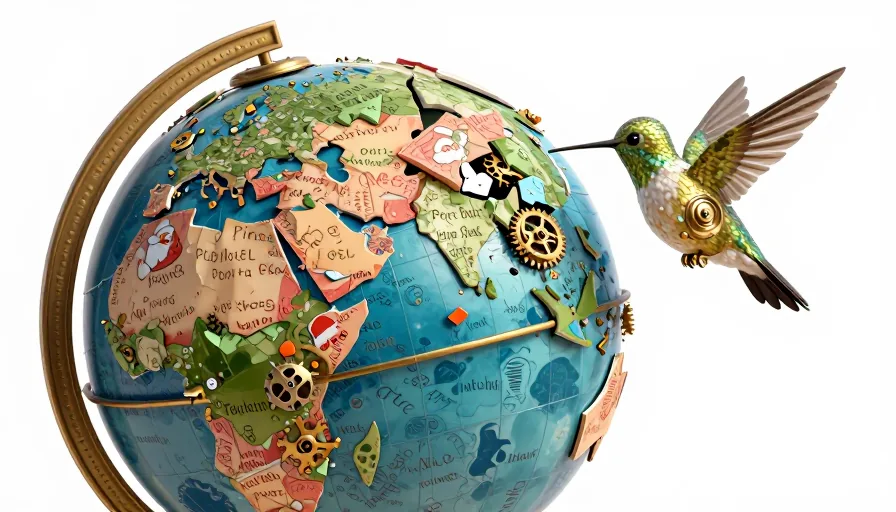
Santa Claus, the jolly figure synonymous with Christmas, is known by many Santa Claus nicknames around the world. These names not only add to the festive spirit but also offer a glimpse into the linguistic and cultural diversity of different regions. Let's embark on a journey to explore these names, their origins, and the cultural contexts behind them.
The Evolution of Santa's Name in American Culture
In American culture, Santa Claus has undergone a significant evolution. The name 'Santa Claus' itself is derived from the Dutch 'Sinterklaas,' which was brought to America by Dutch settlers. Over time, the name has been adapted and popularized through various cultural influences. For instance, the modern image of Santa Claus was largely shaped by the illustrations of Thomas Nast in the 19th century, which depicted him as a jolly, bearded man in a red suit.
Common English Nicknames for Santa Claus
In English-speaking countries, Santa Claus has several endearing nicknames. Some of the most common include:
- Kris Kringle: This name is often used interchangeably with Santa Claus and is believed to have German origins.
- Father Christmas: This name is more prevalent in the UK and emphasizes the paternal and benevolent nature of Santa.
- Saint Nick: A shortened form of 'Saint Nicholas,' this name highlights the historical figure behind the legend of Santa Claus.
Interactive Quiz: 'Which Santa Name Matches Your Culture?'
To make this exploration more engaging, try our interactive quiz to find out which Santa name best matches your cultural background. This quiz will help you understand the nuances of different names and their cultural significance.
Santa Claus Around the World: A Global Linguistic Tour
Santa Claus is celebrated in various forms around the world, each with its unique name and cultural context. Let's take a global tour to explore some of these names.
Europe
- Père Noël (French): Literally translating to 'Father Christmas,' this name is widely used in France and French-speaking regions. The French tradition often involves a more solemn and religious celebration compared to the commercialized version in the US.
- Papa Noël (French): A more casual and affectionate version of Père Noël, often used in informal settings.
- Weihnachtsmann (German): This name translates to 'Christmas Man' and is used in Germany. The German tradition often involves a more secular celebration with a focus on family and gifts.
- Babbo Natale (Italian): Meaning 'Father Christmas,' this name is used in Italy. The Italian tradition often includes a more family-oriented celebration with a focus on religious aspects.
- Joulupukki (Finnish): Translating to 'Yule Goat,' this name reflects the Finnish tradition of celebrating the winter solstice. The Finnish Santa is often depicted as a more mystical figure.
- Ded Moroz (Russian): Meaning 'Grandfather Frost,' this name is used in Russia. The Russian tradition often involves a more magical and mystical celebration with a focus on winter and snow.
- Sinterklaas (Dutch): The original name that evolved into 'Santa Claus,' Sinterklaas is celebrated in the Netherlands with a focus on gift-giving and family.
Asia
- Dun Che Lao Ren (Chinese): Meaning 'Old Man of Christmas,' this name is used in China. The Chinese tradition often involves a more secular celebration with a focus on family and gifts.
- Hoteiosho (Japanese): This name is derived from a Buddhist monk and is used in Japan. The Japanese tradition often involves a more secular celebration with a focus on family and gifts.
- Noel Baba (Turkish): Meaning 'Father Christmas,' this name is used in Turkey. The Turkish tradition often involves a more secular celebration with a focus on family and gifts.
South America
- Papá Noel (Spanish): Meaning 'Father Christmas,' this name is used in Spanish-speaking countries. The Spanish tradition often involves a more family-oriented celebration with a focus on religious aspects.

Learn Languages with YouTube
Watch videos in your target language, auto-capture words into flashcards, and track your progress — all in one place.
See How It Works →Top Nicknames: From Cute to Classic
In addition to the official names, Santa Claus has many endearing nicknames that reflect the cultural and linguistic diversity of different regions. Here are some of the top nicknames:
- Old Saint Nick: A classic and affectionate nickname used in English-speaking countries.
- Saint Nick: A shortened form of 'Saint Nicholas,' highlighting the historical figure behind the legend.
- Kris Kringle: A name with German origins, often used interchangeably with Santa Claus.
- Father Christmas: A name that emphasizes the paternal and benevolent nature of Santa.
- Papa Noel: A more casual and affectionate version of Père Noël, often used in informal settings.
Comparative Analysis of Nicknames vs. Official International Names
While official international names often reflect the cultural and linguistic nuances of different regions, nicknames provide a more personal and endearing connection to Santa Claus. For example, 'Papa Noel' is a more casual and affectionate version of 'Père Noël,' reflecting the informal and friendly nature of the French language. Similarly, 'Kris Kringle' is a more playful and whimsical name, reflecting the German tradition of celebrating Christmas with joy and laughter.
Mini Drill: Identifying Cultural Nuances in Santa Names
To better understand the cultural nuances behind different Santa names, try this mini drill:
- Identify the cultural origin of each name (e.g., French, German, Dutch).
- Research the traditional celebration and customs associated with each name.
- Compare and contrast the cultural and linguistic nuances of different names.
- Reflect on how these names influence the perception of Santa Claus in different cultures.
The Influence of Language on the Perception of Santa
Language plays a crucial role in shaping the perception of Santa Claus. For example, the name 'Père Noël' in French conveys a sense of paternal benevolence and solemnity, reflecting the French tradition of celebrating Christmas with a focus on family and religion. In contrast, the name 'Kris Kringle' in English conveys a sense of playfulness and whimsy, reflecting the German tradition of celebrating Christmas with joy and laughter.
Checklist for Understanding Santa Names
To deepen your understanding of Santa names, use this checklist:
- Research the Origin: Learn about the historical and cultural origins of each name.
- Explore Cultural Context: Understand the traditional celebrations and customs associated with each name.
- Compare and Contrast: Analyze the linguistic and cultural nuances of different names.
- Reflect on Perception: Consider how these names influence the perception of Santa Claus in different cultures.
- Engage with Language: Practice using these names in sentences to better understand their meanings and connotations.
Conclusion
Exploring Santa Claus nicknames offers a fascinating journey into the linguistic and cultural diversity of different regions. From 'Père Noël' in France to 'Ded Moroz' in Russia, each name reflects unique traditions and customs. By understanding these names and their cultural contexts, we can gain a deeper appreciation for the global celebration of Christmas and the universal spirit of giving and joy.
FAQ
Why are there so many different names for Santa Claus?
The diversity of names for Santa Claus reflects the linguistic and cultural variations across different regions. Each name has its own historical and cultural context, shaped by local traditions and customs.
How does the name 'Santa Claus' influence the perception of the character?
The name 'Santa Claus' and its variations influence the perception of the character by conveying different cultural and linguistic nuances. For example, 'Père Noël' in French conveys a sense of paternal benevolence, while 'Kris Kringle' in English conveys a sense of playfulness.
What is the origin of the name 'Santa Claus'?
The name 'Santa Claus' is derived from the Dutch 'Sinterklaas,' which was brought to America by Dutch settlers. Over time, the name has evolved and been adapted through various cultural influences, including the illustrations of Thomas Nast in the 19th century.
Related phrases
Start with Metheus
Watch videos in your target language, auto-capture words into flashcards, and track your progress — all in one place.
Get Started →

