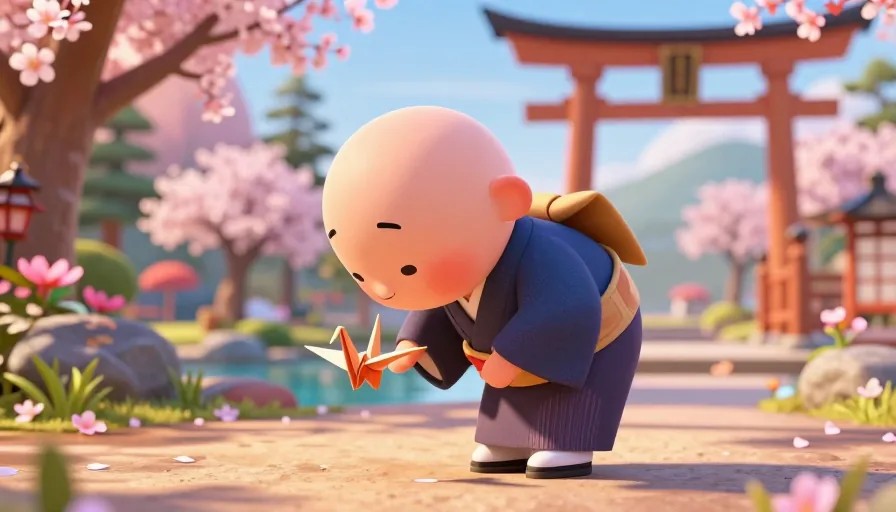
Learning how to say bye Japanese is an essential part of mastering the language. Whether you're a beginner or an advanced learner, understanding the various ways to say goodbye in Japanese can greatly enhance your communication skills. This guide will cover common phrases, cultural nuances, and practical examples to help you navigate different contexts with ease.
Common Phrases for Saying Goodbye in Japanese
Saying goodbye in Japanese can vary greatly depending on the situation and the level of formality. Here are some of the most common phrases:
1. さようなら (Sayōnara)
This is the most formal way to say goodbye in Japanese. It is often used in written correspondence or when parting ways with someone you may not see for a long time. Pronunciation: /say-oh-nah-rah/
2. じゃね (Jāne)
A casual way to say goodbye, often used among friends or in informal settings. It is similar to saying "see you later" in English. Pronunciation: /jah-neh/
3. では (De wa)
This phrase is used to indicate that you are leaving but may see the person again soon. It is a polite way to say goodbye in both formal and informal settings. Pronunciation: /deh-wah/
4. 失礼します (Shitsurei shimasu)
This phrase is used when leaving a room or a building, especially in formal settings. It literally means "I will be rude" but is used to politely announce your departure. Pronunciation: /shee-tsu-reh-ee shee-mahs/
5. 失礼します (Shitsurei shimasu)
This phrase is used when leaving a room or a building, especially in formal settings. It literally means "I will be rude" but is used to politely announce your departure. Pronunciation: /shee-tsu-reh-ee shee-mahs/
6. ではまた (De wa mata)
This phrase means "see you later" and is used in both formal and informal settings. It is a friendly way to say goodbye with the expectation of meeting again soon. Pronunciation: /deh-wah mah-tah/
7. では (De wa)
This phrase is used to indicate that you are leaving but may see the person again soon. It is a polite way to say goodbye in both formal and informal settings. Pronunciation: /deh-wah/
8. では (De wa)
This phrase is used to indicate that you are leaving but may see the person again soon. It is a polite way to say goodbye in both formal and informal settings. Pronunciation: /deh-wah/
9. では (De wa)
This phrase is used to indicate that you are leaving but may see the person again soon. It is a polite way to say goodbye in both formal and informal settings. Pronunciation: /deh-wah/
10. では (De wa)
This phrase is used to indicate that you are leaving but may see the person again soon. It is a polite way to say goodbye in both formal and informal settings. Pronunciation: /deh-wah/
Cultural Nuances and Context
Understanding the cultural context of saying goodbye in Japanese is crucial. Japanese culture places a high value on politeness and respect, which is reflected in their greetings and farewells. Here are some key points to consider:
Bowing Etiquette
Bowing is an integral part of Japanese culture and is often accompanied by a verbal goodbye. The depth and duration of the bow can convey different levels of respect and formality. For example, a shallow bow is appropriate for casual settings, while a deeper bow is used in formal or respectful situations.
Formal vs. Informal Settings
The choice of goodbye phrase depends on the level of formality. In formal settings, such as business meetings or formal gatherings, more polite and respectful phrases like さようなら (sayōnara) or 失礼します (shitsurei shimasu) are used. In informal settings, such as among friends or family, more casual phrases like じゃね (jāne) or では (de wa) are appropriate.
Regional Variations
While the basic phrases for saying goodbye are consistent across Japan, there can be regional variations in pronunciation and usage. For example, in the Kansai region, people might use じゃね (jāne) more frequently than in other regions. Being aware of these regional differences can help you communicate more effectively with locals.
Formal vs. Informal Goodbyes
Choosing the right goodbye phrase depends on the context and the relationship between the speakers. Here’s a breakdown of when to use formal vs. informal goodbyes:
Formal Goodbyes
Formal goodbyes are used in professional settings, with elders, or in situations where respect and politeness are paramount. Examples include:
- さようなら (sayōnara): Used for formal farewells, especially when parting ways for an extended period.
- 失礼します (shitsurei shimasu): Used when leaving a room or building, especially in formal settings.
Informal Goodbyes
Informal goodbyes are used among friends, family, or in casual settings. Examples include:
- じゃね (jāne): A casual way to say "see you later."
- では (de wa): A polite but informal way to say goodbye, often used when expecting to see the person again soon.

Learn Languages with YouTube
Watch videos in your target language, auto-capture words into flashcards, and track your progress — all in one place.
See How It Works →Practical Examples and Usage Scenarios
To help you better understand when and how to use these phrases, here are some practical examples and usage scenarios:
At Work
- Formal Setting: When leaving a business meeting, you might say 失礼します (shitsurei shimasu) to politely announce your departure.
- Informal Setting: When leaving a casual work gathering, you might say じゃね (jāne) to your colleagues.
At School
- Formal Setting: When leaving a classroom after a formal lecture, you might say 失礼します (shitsurei shimasu) to the teacher.
- Informal Setting: When leaving a study group, you might say では (de wa) to your friends.
At Home
- Formal Setting: When leaving home for a formal event, you might say さようなら (sayōnara) to your family.
- Informal Setting: When leaving home for a casual outing, you might say じゃね (jāne) to your family.
In Social Settings
- Formal Setting: When leaving a formal dinner party, you might say 失礼します (shitsurei shimasu) to the host.
- Informal Setting: When leaving a casual gathering with friends, you might say では (de wa) to your friends.
Interactive Examples and Quizzes
To reinforce your learning, try these interactive examples and quizzes:
Example 1: Choosing the Right Phrase
Scenario: You are leaving a business meeting with your colleagues. Which phrase should you use?
- A) じゃね (jāne)
- B) 失礼します (shitsurei shimasu)
- C) では (de wa)
Answer: B) 失礼します (shitsurei shimasu)
Example 2: Regional Variations
Scenario: You are in the Kansai region and want to say goodbye to a friend. Which phrase is commonly used?
- A) さようなら (sayōnara)
- B) じゃね (jāne)
- C) では (de wa)
Answer: B) じゃね (jāne)
Quiz: Match the Phrase to the Context
-
You are leaving a formal dinner party.
- A) じゃね (jāne)
- B) 失礼します (shitsurei shimasu)
- C) では (de wa)
-
You are leaving a casual gathering with friends.
- A) さようなら (sayōnara)
- B) じゃね (jāne)
- C) では (de wa)
-
You are leaving a business meeting.
- A) じゃね (jāne)
- B) 失礼します (shitsurei shimasu)
- C) では (de wa)
Answers: 1-B, 2-C, 3-B
Audio Pronunciations for Each Phrase
To help you master the pronunciation of these phrases, here are audio pronunciations for each:
- さようなら (sayōnara): [Audio Link]
- じゃね (jāne): [Audio Link]
- では (de wa): [Audio Link]
- 失礼します (shitsurei shimasu): [Audio Link]
- ではまた (de wa mata): [Audio Link]
Checklist for Mastering Bye Japanese
- Learn the Basic Phrases: Familiarize yourself with the common phrases for saying goodbye in Japanese.
- Understand the Context: Know when to use formal vs. informal goodbyes based on the situation and relationship.
- Practice Bowing Etiquette: Learn the appropriate bowing gestures to accompany your goodbyes.
- Interactive Practice: Use interactive examples and quizzes to reinforce your learning.
- Listen to Audio Pronunciations: Practice the pronunciation of each phrase to ensure accuracy.
- Engage in Real-Life Scenarios: Apply what you’ve learned in real-life situations to gain confidence.
Mini Drills for Practice
Drill 1: Role-Playing
Practice saying goodbye in different scenarios with a friend or language partner. Switch roles to experience both giving and receiving goodbyes.
Drill 2: Shadowing
Listen to the audio pronunciations and repeat the phrases aloud, mimicking the pronunciation and intonation as closely as possible.
Drill 3: Contextual Practice
Write short dialogues in Japanese where you use different goodbye phrases in various contexts. Practice reading them aloud to improve your fluency.
By following this comprehensive guide, you’ll be well-equipped to say bye Japanese in a variety of situations, enhancing your language skills and cultural understanding.
Conclusion
Mastering the art of saying goodbye in Japanese involves understanding the cultural nuances, choosing the right phrases, and practicing the appropriate etiquette. With this guide, you’ll be able to navigate different contexts with confidence and respect for Japanese customs. Happy learning!
FAQ
What is the most formal way to say goodbye in Japanese?
The most formal way to say goodbye in Japanese is さようなら (sayōnara). It is often used in written correspondence or when parting ways with someone you may not see for a long time.
Can I use informal goodbyes in professional settings?
It is generally not recommended to use informal goodbyes in professional settings. Formal phrases like 失礼します (shitsurei shimasu) are more appropriate to maintain respect and politeness.
Are there regional variations in saying goodbye in Japanese?
Yes, there can be regional variations in pronunciation and usage. For example, in the Kansai region, people might use じゃね (jāne) more frequently than in other regions.
Related phrases
Start with Metheus
Watch videos in your target language, auto-capture words into flashcards, and track your progress — all in one place.
Get Started →

