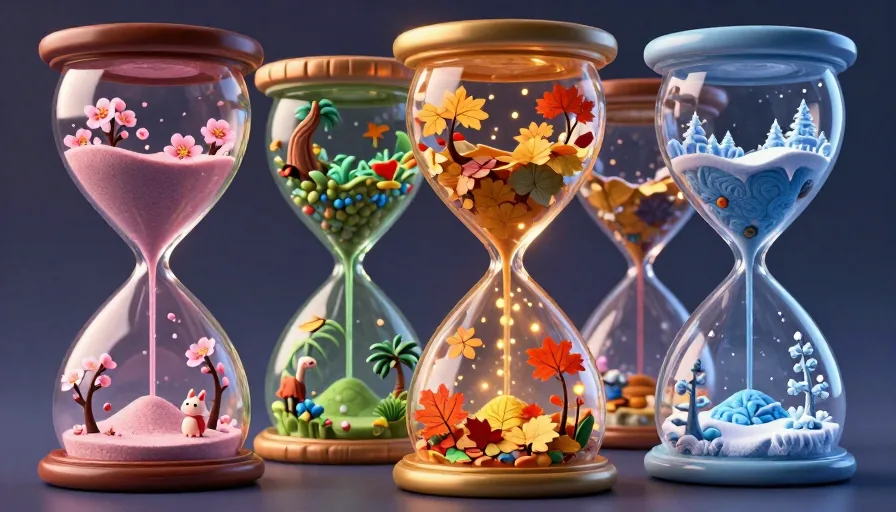
Understanding the seasons in Spanish language is fundamental for any language learner. This guide will cover the vocabulary, etymology, grammar, and practical usage of the four seasons in Spanish: Primavera, Verano, Otoño, and Invierno.
Understanding the Four Seasons in Spanish: A Quick Overview
The four seasons in Spanish are:
- Primavera (Spring)
- Verano (Summer)
- Otoño (Autumn)
- Invierno (Winter)
Each season has its unique characteristics and cultural significance in Spanish-speaking countries.
Vocabulary Deep Dive: Primavera, Verano, Otoño, e Invierno
Primavera (Spring)
Primavera is derived from the Latin word 'primus,' meaning 'first,' and 'ver,' meaning 'green.' It refers to the first green season of the year.
- Pronunciation: /pɾiˈmaβeɾa/
Verano (Summer)
Verano comes from the Latin word 'ver,' meaning 'green,' and 'annus,' meaning 'year.' It signifies the greenest time of the year.
- Pronunciation: /beˈɾano/
Otoño (Autumn)
Otoño originates from the Latin word 'autumnus,' which has no clear etymology but is believed to be related to the Latin word 'augere,' meaning 'to increase,' possibly referring to the increase in harvest.
- Pronunciation: /oˈtoɲo/
Invierno (Winter)
Invierno is derived from the Latin word 'hibernus,' meaning 'winter,' which comes from the word 'hiberna,' meaning 'winter quarters.'
- Pronunciation: /imˈbjeɾno/

Learn Languages with YouTube
Watch videos in your target language, auto-capture words into flashcards, and track your progress — all in one place.
See How It Works →Grammar Focus: Using Articles and Adjectives with Seasons
Definite Articles
When referring to the seasons in Spanish, you typically use the definite article 'el' or 'la' before the season name. The choice of article depends on the gender of the noun.
-
Primavera and Otoño are feminine, so you use 'la':
- La primavera es mi estación favorita.
- La otoño es una época de cambios.
-
Verano and Invierno are masculine, so you use 'el':
- El verano es caluroso en España.
- El invierno es frío en Canadá.
Adjectival Forms
Adjectives related to the seasons often end in '-al' or '-al' for masculine and '-al' for feminine.
- Primaveral (spring-like)
- Veraniego (summery)
- Otoñal (autumnal)
- Invernal (wintery)
Putting It Together: Sample Sentences for Daily Conversation
Practical Examples
-
Primavera
- La primavera es mi estación favorita porque las flores están en flor.
- Primaveral es una palabra que describe algo que es típico de la primavera.
-
Verano
- El verano es caluroso en España, pero me encanta ir a la playa.
- Veraniego es un adjetivo que describe algo que es típico del verano.
-
Otoño
- La otoño es una época de cambios y de cosechas.
- Otoñal es un adjetivo que describe algo que es típico del otoño.
-
Invierno
- El invierno es frío en Canadá, pero me encanta esquiar.
- Invernal es un adjetivo que describe algo que es típico del invierno.
Mini Drill: Fill in the Blanks
Complete the following sentences with the correct season and article.
Cultural Context and Common Usage Patterns
In Spanish-speaking countries, the seasons have unique cultural significance. For example, Primavera is often associated with love and renewal, while Invierno is a time for family gatherings and celebrations like Navidad (Christmas).
Checklist for Mastering Seasons in Spanish
- Learn the vocabulary for the four seasons.
- Understand the etymology of each season name.
- Practice using the correct definite articles with each season.
- Learn and use adjectival forms related to the seasons.
- Create and practice sample sentences using season vocabulary.
Pronunciation Guide
- Primavera: /pɾiˈmaβeɾa/
- Verano: /beˈɾano/
- Otoño: /oˈtoɲo/
- Invierno: /imˈbjeɾno/
By following this guide, you'll be well on your way to mastering the seasons in Spanish language and using them confidently in your conversations.
FAQ
Do I always need to use the definite article with seasons in Spanish?
Yes, when referring to the seasons in Spanish, you typically use the definite article 'el' or 'la' before the season name. The choice of article depends on the gender of the noun.
What are some common adjectives related to the seasons in Spanish?
Common adjectives related to the seasons in Spanish include 'primaveral' (spring-like), 'veraniego' (summery), 'otoñal' (autumnal), and 'invernal' (wintery).
How do I pronounce the seasons in Spanish?
Here are the pronunciations for the seasons in Spanish: - **Primavera**: /pɾiˈmaβeɾa/ - **Verano**: /beˈɾano/ - **Otoño**: /oˈtoɲo/ - **Invierno**: /imˈbjeɾno/
Related phrases
Start with Metheus
Watch videos in your target language, auto-capture words into flashcards, and track your progress — all in one place.
Get Started →

