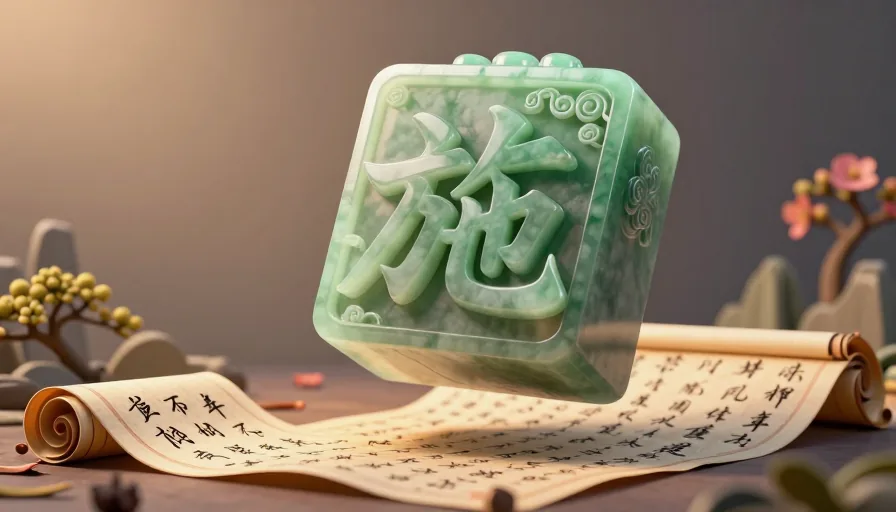
Mastering the character '施' (shī) in Mandarin is essential for understanding its usage in various contexts. This guide will provide a detailed breakdown of the character, common meanings, and practical examples to help you integrate '施' into your vocabulary effectively.
Understanding the Character 施 (shī): Structure and Meaning
The character '施' (shī) is composed of two main components: the radical '人' (rén), which means 'person,' and the phonetic component '十' (shí), which means 'ten.' The combination of these components gives '施' its meaning of 'to grant' or 'to bestow.' This character is often used in contexts where actions are performed or granted to someone.
Radical Breakdown
- 人 (rén): Represents a person, indicating that the action involves a human being.
- 十 (shí): Acts as a phonetic component, helping to determine the pronunciation of '施' (shī).
Common Meanings
- To grant: When '施' is used in the context of giving or granting something to someone.
- To bestow: Often used in formal or ceremonial contexts to indicate the act of bestowing a gift or honor.
- To act: Can also mean to perform an action or carry out a task.
Common Uses of 施 in Mandarin Sentences
Understanding how '施' is used in sentences is crucial for mastering its application. Here are some practical examples:
Example 1: Granting Permission
- 施 (shī) 给 (gěi) 我 (wǒ) 一 (yī) 本 (běn) 书 (shū).
- Translation: Grant me a book.
- Explanation: In this sentence, '施' is used to indicate the act of granting a book to the speaker.
Example 2: Bestowing an Honor
- 他 (tā) 施 (shī) 给 (gěi) 她 (tā) 一 (yī) 奖 (jiǎng).
- Translation: He bestowed an award on her.
- Explanation: Here, '施' is used to show the act of bestowing an award, emphasizing the formal nature of the action.
Example 3: Performing an Action
- 施 (shī) 给 (gěi) 我 (wǒ) 一 (yī) 个 (gè) 机 (jī) 会 (huì).
- Translation: Grant me an opportunity.
- Explanation: In this context, '施' is used to indicate the act of granting an opportunity, highlighting the beneficial nature of the action.
Distinguishing 施 (shī) from Common Grammar Words like 是 (shì)
One of the most common mistakes learners make is confusing '施' (shī) with '是' (shì), which means 'to be.' Understanding the difference between these two characters is essential for accurate communication.
Key Differences
- 施 (shī): Indicates an action of granting, bestowing, or performing.
- 是 (shì): Used to indicate existence, identity, or a state of being.
Practical Examples
- 施 (shī) 给 (gěi) 我 (wǒ) 一 (yī) 本 (běn) 书 (shū). (Grant me a book.)
- 这 (zhè) 是 (shì) 一 (yī) 本 (běn) 书 (shū). (This is a book.)
Mini Drill: Identify the Correct Character
- 他 (tā) ______ 给 (gěi) 我 (wǒ) 一 (yī) 个 (gè) 机 (jī) 会 (huì).
- Answer: 施 (shī)
- 这 (zhè) ______ 一 (yī) 本 (běn) 书 (shū).
- Answer: 是 (shì)

Learn Languages with YouTube
Watch videos in your target language, auto-capture words into flashcards, and track your progress — all in one place.
See How It Works →Common Confusion Points and How to Avoid Them
Mistake 1: Overusing '是' (shì)
A common mistake is overusing '是' (shì) in sentences where '施' (shī) is more appropriate. For example:
- Incorrect: 这 (zhè) 是 (shì) 我 (wǒ) 的 (de) 书 (shū). (This is my book.)
- Correct: 这 (zhè) 施 (shī) 给 (gěi) 我 (wǒ) 的 (de) 书 (shū). (This book is granted to me.)
Mistake 2: Confusing '施' (shī) with '施行' (shīxíng)
- 施 (shī): To grant or bestow.
- 施行 (shīxíng): To implement or carry out.
Checklist for Correct Usage
- Identify the context: Determine whether the action involves granting, bestowing, or performing.
- Use '施' (shī) for actions: When the action involves giving or performing something.
- Use '是' (shì) for existence: When indicating existence, identity, or a state of being.
- Practice with examples: Regularly practice with sentences to reinforce correct usage.
Practical Usage Scenarios for 施 (shī)
Scenario 1: Formal Ceremonies
In formal ceremonies, '施' is often used to indicate the act of bestowing an honor or award. For example:
- 他 (tā) 施 (shī) 给 (gěi) 她 (tā) 一 (yī) 奖 (jiǎng). (He bestowed an award on her.)
Scenario 2: Granting Permission
In contexts where permission is granted, '施' is used to indicate the act of granting. For example:
- 施 (shī) 给 (gěi) 我 (wǒ) 一 (yī) 本 (běn) 书 (shū). (Grant me a book.)
Scenario 3: Performing Actions
When performing actions, '施' is used to indicate the act of carrying out a task. For example:
- 施 (shī) 给 (gěi) 我 (wǒ) 一 (yī) 个 (gè) 机 (jī) 会 (huì). (Grant me an opportunity.)
Conclusion
Mastering the character '施' (shī) involves understanding its structure, common meanings, and practical usage in sentences. By distinguishing it from similar characters like '是' (shì) and practicing with examples, you can effectively integrate '施' into your Mandarin vocabulary. Regular practice and attention to context will help you avoid common mistakes and use '施' accurately in various scenarios.
FAQ
How do I remember the difference between 施 (shī) and 是 (shì)?
To remember the difference, focus on the context. Use '施' (shī) for actions involving granting, bestowing, or performing, and use '是' (shì) for indicating existence, identity, or a state of being. Practice with example sentences to reinforce the correct usage.
Can 施 (shī) be used in everyday conversation?
Yes, 施 (shī) can be used in everyday conversation, especially in contexts where actions of granting or bestowing are involved. For example, '施 (shī) 给 (gěi) 我 (wǒ) 一 (yī) 本 (běn) 书 (shū)' means 'Grant me a book.'
What are some common mistakes to avoid when using 施 (shī)?
Common mistakes include overusing '是' (shì) instead of '施' (shī) and confusing '施' (shī) with '施行' (shīxíng). To avoid these mistakes, identify the context, use '施' (shī) for actions, and practice with example sentences regularly.
Related phrases
Start with Metheus
Watch videos in your target language, auto-capture words into flashcards, and track your progress — all in one place.
Get Started →

