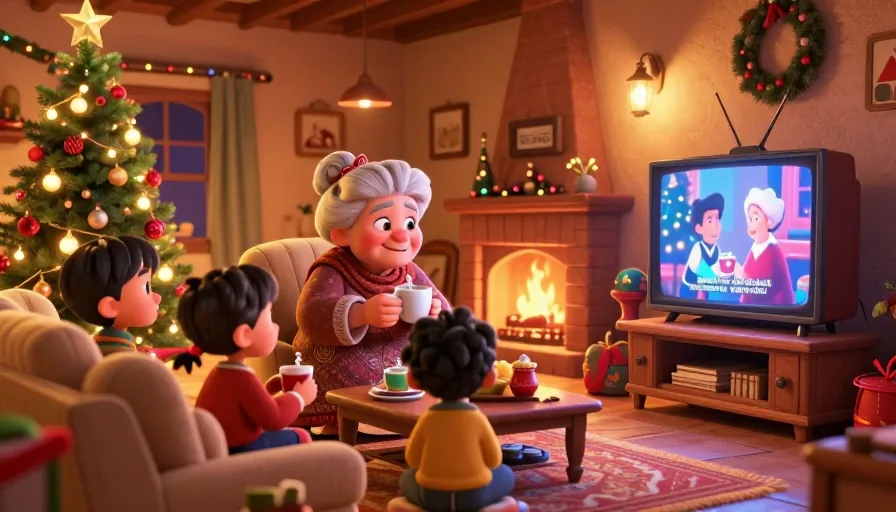
Spanish Christmas films offer a unique and engaging way to learn Spanish. By immersing yourself in these festive movies, you can pick up essential vocabulary, understand cultural nuances, and improve your conversational skills. This guide will help you make the most of your language learning journey through Spanish Christmas films.
Essential Spanish Christmas Vocabulary from Holiday Movies
Vocabulary Related to Christmas Traditions
Before diving into the films, let's explore some essential Spanish Christmas vocabulary. Understanding these terms will help you follow the plots and dialogues more easily.
- Navidad: Christmas
- Nochebuena: Christmas Eve
- Nochevieja: New Year's Eve
- Pesca: Fish (a traditional Christmas Eve meal in Spain)
- Turrón: A traditional Spanish Christmas sweet
- Belén: Nativity scene
- Árbol de Navidad: Christmas tree
- Papa Noel: Santa Claus
- Los Reyes Magos: The Three Wise Men
- Día de los Santos Inocentes: Day of the Holy Innocents (similar to April Fools' Day, celebrated on December 28)
Vocabulary from Film Titles and Plot Points
Many Spanish Christmas films have titles and plot points that introduce unique vocabulary. For example:
- El Grinch (The Grinch): El Grinch is a classic film that introduces vocabulary related to grumpiness and holiday spirit. Key words include gruñón (grumpy), espíritu navideño (Christmas spirit), and regalo (gift).
- La leyenda de Klaus (The Legend of Klaus): This film tells the story of how Santa Claus came to be. Vocabulary includes leyenda (legend), Klaus (the original name for Santa Claus), and renos (reindeer).
- Reyes contra Santa (Kings vs. Santa): This film pits the Three Wise Men against Santa Claus, introducing vocabulary like reyes (kings), batalla (battle), and tradición (tradition).
Mini Drill: Match the Vocabulary
Match the Spanish words with their English translations:
- Navidad
- Nochebuena
- Nochevieja
- Pesca
- Turrón
- Belén
- Árbol de Navidad
- Papa Noel
- Los Reyes Magos
- Día de los Santos Inocentes
A. Christmas B. Christmas Eve C. New Year's Eve D. Fish E. A traditional Spanish Christmas sweet F. Nativity scene G. Christmas tree H. Santa Claus I. The Three Wise Men J. Day of the Holy Innocents
Cultural Insights: How Christmas is Celebrated in Spanish Cinema
Christmas Traditions in Spain
Understanding how Christmas is celebrated in Spain can enrich your language learning experience. Here are some key traditions:
- Christmas Eve (Nochebuena): Families gather for a large dinner, often featuring seafood like pesca.
- Christmas Day (Navidad): Gift-giving and family time are central to the day.
- New Year's Eve (Nochevieja): Celebrated with family and friends, often involving eating twelve grapes at midnight for good luck.
- Day of the Holy Innocents (Día de los Santos Inocentes): Celebrated on December 28, similar to April Fools' Day, where pranks and jokes are common.
- Three Kings' Day (Día de los Reyes Magos): Celebrated on January 6, where children receive gifts from the Three Wise Men.
Cultural Nuances in Spanish Christmas Films
Spanish Christmas films often highlight these traditions, providing a rich cultural context. For example, El Grinch shows the importance of family and community during the holidays, while La leyenda de Klaus explores the origins of Santa Claus in a Spanish context.

Learn Languages with YouTube
Watch videos in your target language, auto-capture words into flashcards, and track your progress — all in one place.
See How It Works →Dialogue Deep Dive: Key Phrases from Top Spanish Christmas Films
Key Phrases and Expressions
Learning key phrases and expressions from Spanish Christmas films can enhance your conversational skills. Here are some examples:
- ¡Feliz Navidad!: Merry Christmas!
- ¡Feliz Año Nuevo!: Happy New Year!
- ¿Qué te ha traído Papa Noel?: What did Santa Claus bring you?
- ¿Qué te han traído los Reyes Magos?: What did the Three Wise Men bring you?
- ¡Vamos a abrir los regalos!: Let's open the gifts!
- ¡Es Navidad!: It's Christmas!
- ¡Es Nochevieja!: It's New Year's Eve!
- ¡Es el Día de los Santos Inocentes!: It's the Day of the Holy Innocents!
- ¡Es el Día de los Reyes Magos!: It's the Three Kings' Day!
Interactive Quiz: Match the Phrases
Match the Spanish phrases with their English translations:
- ¡Feliz Navidad!
- ¡Feliz Año Nuevo!
- ¿Qué te ha traído Papa Noel?
- ¿Qué te han traído los Reyes Magos?
- ¡Vamos a abrir los regalos!
- ¡Es Navidad!
- ¡Es Nochevieja!
- ¡Es el Día de los Santos Inocentes!
- ¡Es el Día de los Reyes Magos!
A. Merry Christmas! B. Happy New Year! C. What did Santa Claus bring you? D. What did the Three Wise Men bring you? E. Let's open the gifts! F. It's Christmas! G. It's New Year's Eve! H. It's the Day of the Holy Innocents! I. It's the Three Kings' Day!
Grammar Points for Holiday Conversations
Common Grammar Mistakes
When learning Spanish, it's easy to make grammar mistakes, especially during holiday conversations. Here are some common errors and how to avoid them:
- Ser vs. Estar: Use ser for permanent characteristics and estar for temporary states. For example, Estoy feliz (I am happy) vs. Soy español (I am Spanish).
- Preterite vs. Imperfect: Use the preterite for completed actions and the imperfect for ongoing or habitual actions. For example, Ayer comí pescado (Yesterday, I ate fish) vs. Cada Navidad comía pescado (Every Christmas, I ate fish).
- Direct vs. Indirect Object Pronouns: Use direct object pronouns for the receiver of the action and indirect object pronouns for the recipient. For example, Le di un regalo a mi amigo (I gave a gift to my friend) vs. Se lo di a mi amigo (I gave it to my friend).
Checklist for Holiday Conversations
Here's a checklist to help you prepare for holiday conversations in Spanish:
- Learn essential Christmas vocabulary.
- Understand key phrases and expressions.
- Practice common grammar points.
- Watch Spanish Christmas films to immerse yourself in the language and culture.
- Engage in conversations with native speakers.
- Use interactive quizzes to reinforce your learning.
Practical Examples and Checklists
Example Dialogue: Christmas Eve Dinner
María: ¡Feliz Navidad, familia! Juan: ¡Feliz Navidad, María! ¿Qué te ha traído Papa Noel? María: Me ha traído un libro y un juego de mesa. ¿Y a ti? Juan: Me ha traído un nuevo juego de video. María: ¡Qué bien! Vamos a abrir los regalos después de la cena. Juan: ¡Perfecto! ¡Es Navidad!
Example Dialogue: New Year's Eve Celebration
Carlos: ¡Feliz Año Nuevo, amigos! Ana: ¡Feliz Año Nuevo, Carlos! ¿Qué planes tienes para esta noche? Carlos: Vamos a comer doce uvas a medianoche para tener buena suerte. Ana: ¡Qué tradición tan divertida! Yo también voy a hacerlo. Carlos: ¡Es Nochevieja! Vamos a celebrar.
Example Dialogue: Day of the Holy Innocents
Luis: ¡Es el Día de los Santos Inocentes! ¿Tienes algún plan para hoy? Sofía: Sí, voy a hacer una broma a mi hermano. Luis: ¡Qué divertido! Yo también voy a hacer una broma a mis amigos. Sofía: ¡Es el Día de los Santos Inocentes! Vamos a reírnos mucho.
Conclusion
Learning Spanish with Spanish Christmas films is a fun and effective way to enhance your language skills. By focusing on vocabulary, cultural context, and key phrases, you can make the most of your festive language journey. Happy learning!
FAQ
How can watching Spanish Christmas films help me learn Spanish?
Watching Spanish Christmas films exposes you to authentic language use, cultural context, and holiday-specific vocabulary. This immersive experience can enhance your listening skills, vocabulary, and understanding of Spanish-speaking cultures.
What are some common grammar mistakes to avoid during holiday conversations?
Common grammar mistakes include confusing *ser* and *estar*, using the wrong tense (preterite vs. imperfect), and misusing direct and indirect object pronouns. Practice and awareness of these points can help you communicate more effectively.
How can I practice Spanish with native speakers during the holidays?
Engage in conversations with native speakers by attending holiday events, joining language exchange groups, or using language learning apps that connect you with native speakers. Practicing with native speakers can provide real-time feedback and improve your conversational skills.
Related phrases
Start with Metheus
Watch videos in your target language, auto-capture words into flashcards, and track your progress — all in one place.
Get Started →

