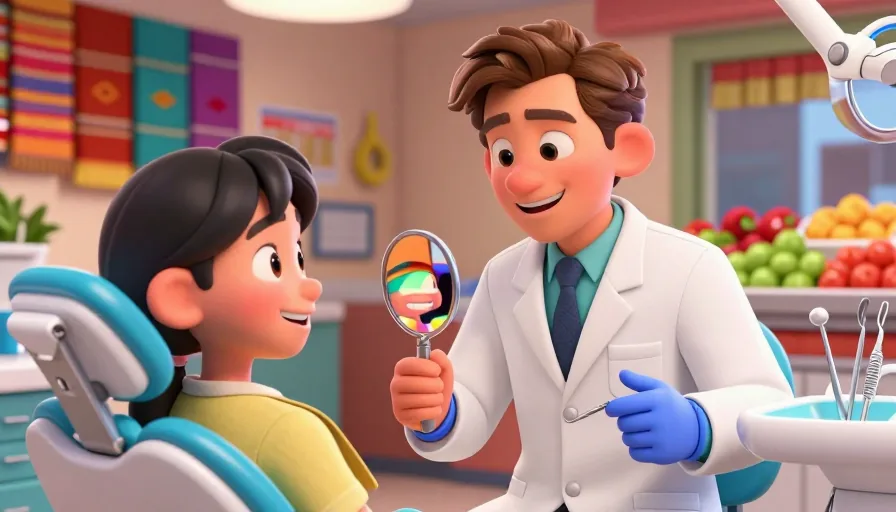
Effective communication is crucial in Spanish dentistry, especially when dealing with Spanish-speaking patients. As a dental professional, understanding and using key Spanish terms can significantly improve patient care and build trust. This guide provides essential dental vocabulary, conversational phrases, and strategies to enhance your practice.
25 Essential Dental Terms in Spanish for Patient Communication
Mastering basic dental terms in Spanish is the first step towards effective communication. Here are 25 essential terms to get you started:
| English Term | Spanish Term | Pronunciation |
|---|---|---|
| Tooth | Diente | DEE-en-teh |
| Teeth | Dientes | DEE-en-tehs |
| Mouth | Boca | BO-kah |
| Gum | Encias | EN-see-ahs |
| Cavity | Carie | KA-ree |
| Filling | Empaste | EM-pah-steh |
| Extraction | Extracción | EKS-trahk-see-ON |
| Crown | Corona | KO-ro-nah |
| Bridge | Puente | PWEN-teh |
| Denture | Prótesis | PRO-teh-sees |
| X-ray | Radiografía | RA-dee-oh-grah-fee-ah |
| Floss | Hilo dental | EE-lo den-TAL |
| Brush | Cepillo | SE-pee-yo |
| Pain | Dolor | DO-lohr |
| Bleeding | Sangrado | SAN-grah-do |
| Swelling | Hinchazón | EEN-chah-soh-ON |
| Infection | Infección | EEN-fehk-see-ON |
| Decay | Caries | KA-ree-ehs |
| Plaque | Sarro | SA-roh |
| Tartar | Tártaro | TAR-tah-roh |
| Gingivitis | Gingivitis | EEN-hee-vee-tees |
| Periodontitis | Periodontitis | PE-ree-oh-don-TEE-tees |
| Anesthesia | Anestesia | A-nes-teh-see-ah |
| Novocaine | Novocaína | NO-voh-kah-ee-nah |
| Local | Local | LO-kal |
| Sedation | Sedación | SE-dah-see-ON |
| Emergency | Emergencia | EH-mehr-jen-see-ah |
| Appointment | Cita | SEE-tah |
| Check-up | Revisión | REH-vee-see-ON |
| Cleaning | Limpieza | EEM-pee-eh-zah |
| Whitening | Blanqueamiento | BLAHN-keh-ah-mee-en-toh |
Conversational Phrases for Patient Interaction
Beyond clinical terms, conversational phrases are essential for building rapport and understanding patient needs. Here are some practical examples:
| English Phrase | Spanish Phrase | Pronunciation |
|---|---|---|
| How are you? | ¿Cómo está? | KO-moh EH-stah? |
| I am here to help. | Estoy aquí para ayudarte. | EH-stoy AH-kee PA-rah AH-yoo-DAR-teh. |
| Do you have pain? | ¿Tienes dolor? | TEE-eh-nehs DO-lohr? |
| Where does it hurt? | ¿Dónde te duele? | DON-deh teh DWEH-leh? |
| I need to take an X-ray. | Necesito tomar una radiografía. | NEH-seh-see-toh toh-MAR OO-nah RA-dee-oh-grah-fee-ah. |
| This will be a little uncomfortable. | Esto será un poco incómodo. | EH-stoh seh-RAH oon PO-koh EEN-ko-moh-do. |
| You need to brush your teeth twice a day. | Necesitas cepillarte los dientes dos veces al día. | NEH-seh-see-tahs seh-pee-YAR-teh lohs DEE-en-tehs DOHS BE-sehs AHL DEE-ah. |
| Floss daily. | Usa hilo dental todos los días. | OO-sah EE-lo den-TAL TO-dohs lohs DEE-ahs. |
| Rinse with mouthwash. | Enjuágate con enjuague bucal. | EEN-hwa-GAH-teh KON EEN-hwa-gweh BOO-kal. |
| Come back in two weeks. | Vuelve en dos semanas. | BWEL-beh EHN DOHS seh-MA-nahs. |
| Do you have any questions? | ¿Tienes alguna pregunta? | TEE-eh-nehs AH-goo-nah preh-GUN-tah? |
| See you next time. | Nos vemos la próxima vez. | NOHS BEH-rohs lah PROK-see-mah BEHS. |
Strategies for Using Language to Improve Patient Care and Trust
Effective communication goes beyond vocabulary. Here are some strategies to enhance patient care and build trust:
- Active Listening: Pay full attention to the patient, show you're listening, and provide feedback.
- Clarity and Simplicity: Use simple language and avoid medical jargon. Break down complex information into understandable parts.
- Cultural Sensitivity: Understand and respect cultural differences. This includes greetings, personal space, and communication styles.
- Non-Verbal Cues: Use body language to reinforce your message. Smile, make eye contact, and use gestures to enhance understanding.
- Patience and Empathy: Be patient and empathetic. Allow the patient time to express their concerns and show understanding.
- Follow-Up: Ensure the patient understands the treatment plan and follow-up instructions. Provide written instructions if necessary.

Learn Languages with YouTube
Watch videos in your target language, auto-capture words into flashcards, and track your progress — all in one place.
See How It Works →Beyond Words: Building Cultural Competence in Your Practice
Cultural competence is as important as language learning. Here are some tips to build cultural competence in your practice:
- Educate Yourself: Learn about the cultural background of your Spanish-speaking patients. Understand their beliefs, values, and health practices.
- Create a Welcoming Environment: Make your practice welcoming to diverse patients. This includes having Spanish-language materials and a culturally diverse staff.
- Train Your Staff: Ensure your staff is trained in cultural competence and basic Spanish phrases. This helps in creating a more inclusive environment.
- Community Engagement: Engage with the local Spanish-speaking community. Participate in community events and health fairs to build trust and rapport.
- Feedback and Improvement: Regularly seek feedback from your Spanish-speaking patients. Use this feedback to improve your practice and services.
Practical Resources: Tools to Master Dental Spanish Vocabulary
Here are some practical resources to help you master dental Spanish vocabulary:
- Books:
- Vamos al Dentista (Let’s go to the dentist): A pocket-sized book with vocabulary and phrases commonly used in the dental office.
- Spanish for Dental Professionals: A comprehensive guide covering dental terminology, conversational phrases, and cultural tips.
- Apps:
- Duolingo: A popular language-learning app with a Spanish course. Focus on dental and conversational vocabulary.
- Memrise: Another language-learning app with customizable courses. Create a dental Spanish course tailored to your needs.
- Online Courses:
- Coursera and Udemy: Offer courses on Spanish for healthcare professionals. These courses cover medical terminology, conversational skills, and cultural competence.
- Practice Drills:
- Role-Playing: Practice conversations with a colleague or language partner. Simulate common dental scenarios and practice your Spanish.
- Flashcards: Use flashcards to memorize dental terms and phrases. Apps like Anki and Quizlet can help with this.
Mini Drills for Practice
- Greeting and Introduction: Practice introducing yourself and greeting the patient in Spanish.
- Example: Hola, soy el Dr. [Your Name]. ¿Cómo está? (Hello, I am Dr. [Your Name]. How are you?)
- Pain Assessment: Practice asking about pain and its location.
- Example: ¿Dónde te duele? (Where does it hurt?)
- Treatment Explanation: Practice explaining a simple treatment procedure.
- Example: Necesito tomar una radiografía para ver el problema. (I need to take an X-ray to see the problem.)
- Follow-Up Instructions: Practice giving follow-up instructions.
- Example: Vuelve en dos semanas para la revisión. (Come back in two weeks for the check-up.)
- Cultural Sensitivity: Practice asking about cultural preferences and beliefs related to dental care.
- Example: ¿Hay algo que deba saber sobre sus creencias culturales relacionadas con el cuidado dental? (Is there anything I should know about your cultural beliefs related to dental care?)
Checklist for Effective Communication with Spanish-Speaking Patients
- Learn and practice essential dental vocabulary in Spanish.
- Master conversational phrases for patient interaction.
- Use active listening and non-verbal cues to enhance communication.
- Show cultural sensitivity and respect.
- Provide clear and simple explanations of treatments and follow-up instructions.
- Seek feedback and continuously improve your language skills and cultural competence.
By following these guidelines and utilizing the provided resources, you can significantly improve your Spanish dentistry skills and provide better care to your Spanish-speaking patients.
FAQ
What if I struggle with pronunciation?
Pronunciation can be challenging, but practice makes perfect. Use language-learning apps like Duolingo or Memrise, which offer pronunciation guides. Additionally, practice with a language partner or colleague to improve your pronunciation skills.
How can I ensure my Spanish-speaking patients understand me?
Use simple language, avoid medical jargon, and break down complex information into understandable parts. Also, use non-verbal cues like gestures and body language to reinforce your message. If necessary, provide written instructions in Spanish.
What if I make a mistake while communicating?
Mistakes are a natural part of learning. If you make a mistake, correct it politely and continue the conversation. Patients appreciate your effort to communicate in their language and will be understanding.
Related phrases
Start with Metheus
Watch videos in your target language, auto-capture words into flashcards, and track your progress — all in one place.
Get Started →

