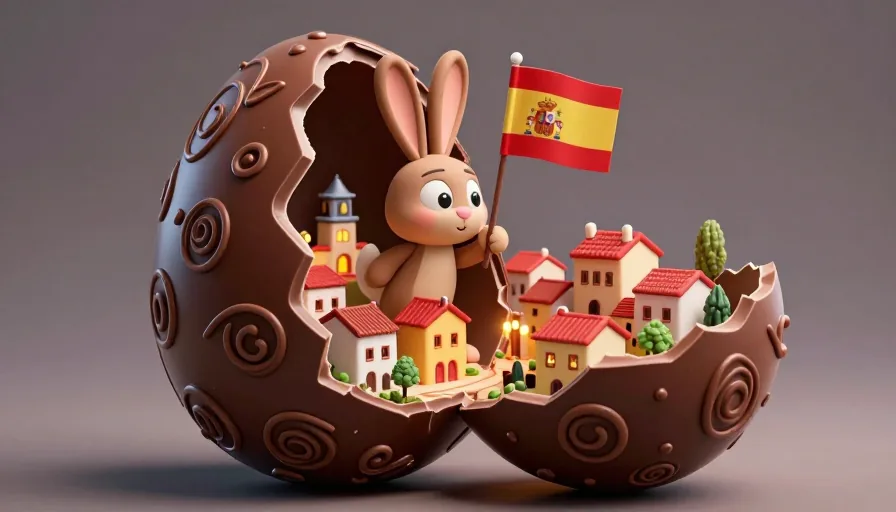
Easter, or Pascua in Spanish, is a significant holiday celebrated across Spanish-speaking countries. Understanding easter words in spanish is crucial for both cultural immersion and effective communication during this festive season. This guide covers key religious terms, secular vocabulary, food-related words, and cultural tips to help you navigate Easter celebrations in Spanish-speaking regions.
Key Religious Vocabulary for Easter and Holy Week
Easter and Holy Week are deeply rooted in religious traditions. Here are some essential terms to help you understand and participate in religious celebrations:
- Semana Santa (Holy Week): The week leading up to Easter Sunday.
- Domingo de Ramos (Palm Sunday): The Sunday before Easter, marking Jesus' entry into Jerusalem.
- Jueves Santo (Maundy Thursday): The Thursday before Easter, commemorating the Last Supper.
- Viernes Santo (Good Friday): The Friday before Easter, remembering the crucifixion of Jesus.
- Sábado de Gloria (Holy Saturday): The Saturday before Easter, a day of anticipation and reflection.
- Domingo de Resurrección (Easter Sunday): The celebration of Jesus' resurrection.
- Pascua (Easter): The entire Easter season, including the 50 days from Easter Sunday to Pentecost.
Mini Drill: Religious Terms
Match the English terms with their Spanish equivalents:
- Holy Week
- Palm Sunday
- Maundy Thursday
- Good Friday
- Holy Saturday
- Easter Sunday
- Easter
A. Semana Santa B. Domingo de Ramos C. Jueves Santo D. Viernes Santo E. Sábado de Gloria F. Domingo de Resurrección G. Pascua
Secular Easter Vocabulary and Celebrations
Beyond religious observances, Easter is also a time for family gatherings, parades, and other secular activities. Here are some common terms related to these celebrations:
- Caza de huevos de Pascua (Easter egg hunt): A popular activity where children search for hidden Easter eggs.
- Conejo de Pascua (Easter Bunny): The mythical figure that brings Easter eggs and candy to children.
- Cestas de Pascua (Easter baskets): Baskets filled with Easter eggs, candy, and small gifts.
- Desfile de Pascua (Easter parade): A festive procession, often featuring elaborate costumes and floats.
- Vacaciones de Pascua (Easter holidays): The school break that coincides with Easter.
Checklist: Secular Easter Activities
- Participate in a caza de huevos de Pascua (Easter egg hunt) with local children.
- Learn about the Conejo de Pascua (Easter Bunny) tradition in Spanish-speaking countries.
- Prepare a cesta de Pascua (Easter basket) for a friend or family member.
- Attend a desfile de Pascua (Easter parade) in your community.
- Enjoy the vacaciones de Pascua (Easter holidays) with fun activities and outings.

Learn Languages with YouTube
Watch videos in your target language, auto-capture words into flashcards, and track your progress — all in one place.
See How It Works →Spanish Easter Food and Drink Vocabulary
Easter is also a time for special meals and treats. Here are some food and drink terms to help you enjoy the culinary delights of the season:
- Tortilla de Pascua (Easter omelette): A savory dish made with eggs, potatoes, and onions.
- Pascualina (Easter pie): A traditional Chilean dish filled with spinach, hard-boiled eggs, and olives.
- Monas de Pascua (Easter buns): Sweet buns often shaped like a cross or a lamb, popular in Spain and Latin America.
- Pascua (Easter): The entire Easter season, including the 50 days from Easter Sunday to Pentecost.
- Chocolate de Pascua (Easter chocolate): Special Easter-themed chocolates and candies.
- Vino de Pascua (Easter wine): A sweet wine often served during Easter celebrations.
Practical Examples: Easter Food Conversations
- ¿Qué vas a preparar para la cena de Pascua? (What are you going to prepare for the Easter dinner?)
- Voy a hacer una tortilla de Pascua y una pascualina. (I'm going to make an Easter omelette and an Easter pie.)
- ¿Te gustan las monas de Pascua? (Do you like Easter buns?)
- Sí, me encantan, especialmente las que tienen forma de cruz. (Yes, I love them, especially the ones shaped like a cross.)
- ¿Qué tipo de chocolate de Pascua prefieres? (What type of Easter chocolate do you prefer?)
- Me gustan los huevos de chocolate rellenos de crema. (I like chocolate eggs filled with cream.)
Cultural Tips for Experiencing Easter in Spanish-Speaking Countries
Easter celebrations vary widely across Spanish-speaking countries. Here are some cultural tips to help you navigate the festivities:
- Spain: Easter processions, known as procesiones de Semana Santa, are a major attraction. These solemn parades feature penitents in hooded robes and elaborate floats depicting religious scenes.
- Mexico: Easter is a time for family gatherings and traditional foods like capirotada (a bread pudding with cheese and dried fruits) and tamales. The Viernes Santo (Good Friday) is a day of reflection and fasting.
- Colombia: Easter is celebrated with Semana Santa processions and Vía Crucis (Stations of the Cross) reenactments. The Domingo de Resurrección (Easter Sunday) is marked by joyful celebrations and family gatherings.
- Argentina: Easter is celebrated with family meals and chocolates de Pascua (Easter chocolates). The Conejo de Pascua (Easter Bunny) is a popular figure, especially among children.
Common Mistakes to Avoid
- Confusing Easter terms: Be mindful of the differences between Semana Santa (Holy Week) and Pascua (Easter).
- Overlooking regional variations: Easter celebrations can vary significantly from one Spanish-speaking country to another. Research local customs to avoid misunderstandings.
- Ignoring cultural significance: Easter has deep religious and cultural roots in Spanish-speaking countries. Show respect and interest in local traditions.
Conclusion
Learning easter words in spanish opens the door to a richer understanding of the holiday's significance and allows you to participate more fully in the celebrations. Whether you're attending religious services, enjoying family meals, or joining in secular activities, this comprehensive guide will help you navigate Easter in Spanish-speaking countries with confidence.
Final Checklist: Easter Vocabulary Mastery
- Review key religious terms for Easter and Holy Week.
- Practice secular Easter vocabulary and activities.
- Learn about traditional Easter foods and drinks.
- Familiarize yourself with cultural tips for different Spanish-speaking regions.
- Engage in conversations and activities to reinforce your learning.
By following this guide and practicing regularly, you'll be well on your way to mastering easter words in spanish and enjoying the holiday like a native speaker.
FAQ
Why is it important to learn Easter words in Spanish?
Learning Easter words in Spanish is important because it allows you to fully participate in the cultural and religious celebrations of the holiday. Understanding the vocabulary helps you communicate effectively with locals, appreciate the significance of the traditions, and enjoy the festivities to the fullest.
Are there significant differences in how Easter is celebrated across Spanish-speaking countries?
Yes, Easter celebrations can vary significantly across Spanish-speaking countries. For example, Spain is known for its elaborate processions during Semana Santa, while Mexico focuses on family gatherings and traditional foods. Colombia has its unique Via Crucis reenactments, and Argentina celebrates with family meals and chocolates. Understanding these regional differences can enhance your experience and help you avoid cultural faux pas.
What are some common mistakes to avoid when learning Easter words in Spanish?
Common mistakes include confusing terms like Semana Santa and Pascua, overlooking regional variations in celebrations, and ignoring the cultural significance of the holiday. To avoid these mistakes, take the time to learn the specific vocabulary and understand the cultural context of the celebrations in the regions you plan to visit or interact with.
Related phrases
Start with Metheus
Watch videos in your target language, auto-capture words into flashcards, and track your progress — all in one place.
Get Started →

