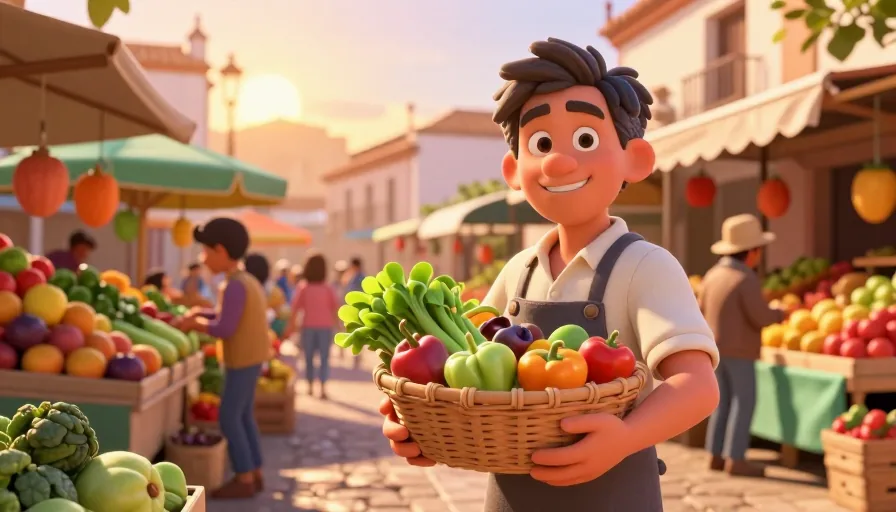
Learning Spanish language food vocabulary is essential for anyone traveling to Spanish-speaking countries, cooking Spanish cuisine, or simply enjoying Spanish culture. This guide will help you navigate menus, shop for ingredients, and converse confidently about food in Spanish.
Essential Spanish Food Vocabulary by Food Group
Understanding basic food groups in Spanish is the first step to mastering food vocabulary. Here’s a categorized list to help you get started:
Fruits (La fruta)
- Manzana - Apple
- Plátano - Banana
- Naranja - Orange
- Uva - Grape
- Pera - Pear
Vegetables (Las verduras)
- Tomate - Tomato
- Lechuga - Lettuce
- Pepino - Cucumber
- Zanahoria - Carrot
- Pimiento - Bell pepper
Meats (La carne)
- Pollo - Chicken
- Res - Beef
- Cerdo - Pork
- Pavo - Turkey
- Pescado - Fish
Dairy (Productos lácteos)
- Leche - Milk
- Queso - Cheese
- Yogur - Yogurt
- Mantequilla - Butter
- Crema - Cream
Grains and Bread (Granos y pan)
- Arroz - Rice
- Pan - Bread
- Pasta - Pasta
- Avena - Oatmeal
- Tortilla - Tortilla
Beverages (Bebidas)
- Agua - Water
- Café - Coffee
- Té - Tea
- Vino - Wine
- Cerveza - Beer
Ordering Food and Drinks: Essential Phrases for Restaurants
Knowing how to order food and drinks in Spanish is crucial for dining out. Here are some essential phrases to help you navigate any restaurant:
Greetings and Basic Phrases
- Buenos días - Good morning
- Buenas tardes - Good afternoon
- Buenas noches - Good evening
- Por favor - Please
- Gracias - Thank you
Ordering Food
- ¿Qué me recomienda? - What do you recommend?
- Quisiera pedir... - I would like to order...
- ¿Cuál es el plato del día? - What is the dish of the day?
- ¿Puedo ver el menú, por favor? - Can I see the menu, please?
- ¿Qué contiene este plato? - What does this dish contain?
Asking for the Bill
- La cuenta, por favor - The bill, please
- ¿Aceptan tarjetas de crédito? - Do you accept credit cards?
- ¿Puedo pagar con efectivo? - Can I pay with cash?
Common Mistakes to Avoid
- Confusing similar-sounding words: For example, pollo (chicken) and pollo (chicken) sound similar but have different meanings.
- Using incorrect articles: Remember that Spanish nouns have genders, so use the correct article (el, la, los, las).
- Overlooking regional differences: Some food items may have different names in different Spanish-speaking countries.

Learn Languages with YouTube
Watch videos in your target language, auto-capture words into flashcards, and track your progress — all in one place.
See How It Works →Spanish Meals: Vocabulary for Breakfast, Lunch, and Dinner
Understanding the vocabulary for different meals will help you communicate effectively about your dining preferences.
Breakfast (El desayuno)
- Café con leche - Coffee with milk
- Tostada - Toast
- Mermelada - Jam
- Huevos - Eggs
- Jugo - Juice
Lunch (La comida)
- Sopa - Soup
- Ensalada - Salad
- Arroz con pollo - Chicken and rice
- Tacos - Tacos
- Empanadas - Empanadas
Dinner (La cena)
- Paella - Paella
- Pescado frito - Fried fish
- Pollo asado - Roasted chicken
- Arroz con pollo - Chicken and rice
- Tortilla española - Spanish omelette
Practical Checklist for Building Your Spanish Food Vocabulary
- Start with the basics: Learn the names of common fruits, vegetables, meats, and dairy products.
- Expand your vocabulary: Move on to grains, bread, and beverages.
- Practice ordering: Use the essential phrases for ordering food and drinks in restaurants.
- Learn about meals: Understand the vocabulary for breakfast, lunch, and dinner.
- Practice with a partner: Find a language exchange partner or tutor to practice your new vocabulary.
- Use flashcards: Create flashcards for new words and review them regularly.
- Watch Spanish cooking shows: Listen to native speakers talk about food and cooking.
- Cook Spanish recipes: Try cooking Spanish dishes to reinforce your vocabulary.
Mini Drills for Reinforcement
Drill 1: Food Group Matching
Match the Spanish words with their English translations:
- Manzana
- Tomate
- Pollo
- Leche
- Arroz
a. Rice b. Apple c. Milk d. Tomato e. Chicken
Drill 2: Ordering Practice
Practice ordering a meal in Spanish. Use the phrases provided and create a dialogue with a friend or language partner.
Drill 3: Meal Planning
Plan a Spanish meal using the vocabulary you’ve learned. Write down the menu and practice describing each dish in Spanish.
Conclusion
Mastering Spanish language food vocabulary opens up a world of culinary adventures and cultural understanding. By following this guide, you’ll be well-equipped to navigate menus, shop for ingredients, and converse confidently about food in Spanish. ¡Buen provecho!
FAQ
How can I remember Spanish food vocabulary more effectively?
Use flashcards, practice with a language partner, and incorporate Spanish cooking into your routine. Watching Spanish cooking shows can also help reinforce your vocabulary.
What are some common mistakes to avoid when learning Spanish food vocabulary?
Avoid confusing similar-sounding words, using incorrect articles, and overlooking regional differences in food names.
Is it necessary to learn about different meals in Spanish?
Yes, understanding the vocabulary for breakfast, lunch, and dinner will help you communicate effectively about your dining preferences and navigate menus more confidently.
Related phrases
Start with Metheus
Watch videos in your target language, auto-capture words into flashcards, and track your progress — all in one place.
Get Started →

