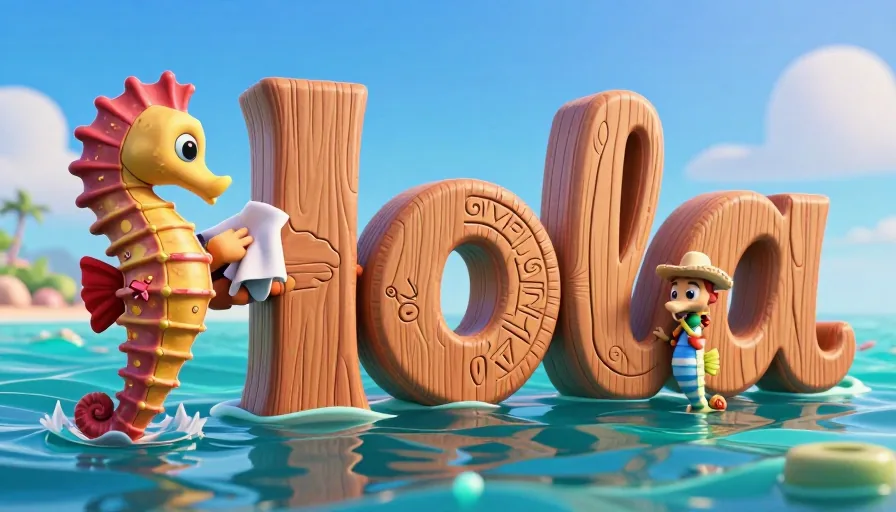
Learning the Spanish for hello is your first step into the rich world of Spanish language and culture. Greetings are more than just words; they set the tone for your conversation and show respect for the cultural norms. This guide will help you understand the nuances of Spanish greetings, from basic phrases to regional variations and formalities.
The Essential Spanish Greetings: A Quick Reference
Before diving into the nuances, let's start with the basics. Here are the most common Spanish greetings:
- Hola - Hello (informal)
- Buenos días - Good morning
- Buenas tardes - Good afternoon
- Buenas noches - Good evening/night
Mini Drill: Basic Greetings
Practice these greetings out loud. Try to use them in different contexts to get comfortable with the sounds and meanings.
Mastering Formality: When to Use 'Tú' vs. 'Usted'
Understanding the difference between 'tú' (informal) and 'usted' (formal) is crucial. Using the wrong form can be seen as disrespectful or overly familiar.
When to Use 'Tú'
- With friends and family
- With children and young people
- In casual settings
When to Use 'Usted'
- With elders and authority figures
- In formal settings (e.g., work, school)
- With people you've just met
Example Conversations
Informal (Tú)
- A: ¡Hola, Juan! ¿Cómo estás?
- B: ¡Hola, María! Estoy bien, gracias. ¿Y tú?
Formal (Usted)
- A: Buenos días, Doctor. ¿Cómo está?
- B: Buenos días, Señora. Estoy bien, gracias. ¿Y usted?
Beyond 'Hola': Regional Greetings and Cultural Nuances
Spanish greetings vary by region. Knowing these differences can help you connect with native speakers on a deeper level.
Mexican Greetings
- ¿Qué onda? - What's up? (informal)
- ¿Cómo estás? - How are you? (informal)
- ¿Qué tal? - What's up?/How are you? (informal)
Colombian Greetings
- ¿Qué más? - What else?/How are you? (informal)
- ¿Cómo le va? - How are you? (formal)
Argentine Greetings
- ¿Cómo andás? - How are you? (informal)
- ¿Cómo está? - How are you? (formal)
Checklist: Regional Greetings
- Learn at least three regional greetings from the areas you plan to visit or interact with.
- Practice using these greetings in sentences.
- Ask native speakers to correct your pronunciation and usage.

Learn Languages with YouTube
Watch videos in your target language, auto-capture words into flashcards, and track your progress — all in one place.
See How It Works →Contextual Usage: Time of Day and Relationship
Greetings in Spanish change based on the time of day and your relationship with the person.
Morning Greetings
- Buenos días - Good morning (until around noon)
Afternoon Greetings
- Buenas tardes - Good afternoon (from around noon to evening)
Evening/Night Greetings
- Buenas noches - Good evening/night (from evening onwards)
Example Scenarios
-
Morning (Informal)
- A: Buenos días, Carlos. ¿Cómo estás?
- B: Buenos días, Ana. Estoy bien, gracias.
-
Afternoon (Formal)
- A: Buenas tardes, Señor García. ¿Cómo está?
- B: Buenas tardes, Señora Martínez. Estoy bien, gracias.
Appropriate Responses to Greetings
Knowing how to respond to greetings is just as important as initiating them. Here are some common responses:
- Muy bien, gracias. ¿Y tú? - Very well, thank you. And you?
- Bien, gracias. ¿Y usted? - Good, thank you. And you?
- Así así - So-so
Practice Drill: Responses
Practice responding to different greetings. Try to use a variety of responses to build your vocabulary and confidence.
Common Mistakes to Avoid
- Using 'Hola' in formal settings: 'Hola' is informal. Use 'Buenos días', 'Buenas tardes', or 'Buenas noches' in formal settings.
- Not adjusting for time of day: Always match your greeting to the time of day.
- Ignoring regional differences: What's common in one region might not be in another. Always be aware of the local customs.
Conclusion
Mastering Spanish greetings is about more than just memorizing phrases. It's about understanding the cultural nuances, formalities, and regional variations. With practice and attention to detail, you'll be greeting like a native speaker in no time.
Checklist: Mastering Spanish Greetings
- Learn the basic greetings and their appropriate responses.
- Understand the difference between 'tú' and 'usted'.
- Familiarize yourself with regional variations.
- Practice greetings in different contexts and times of day.
- Avoid common mistakes and always be respectful of cultural norms.
By following this guide, you'll be well on your way to mastering Spanish greetings and making a great impression on native speakers.
FAQ
Why is it important to use the correct formality in Spanish greetings?
Using the correct formality in Spanish greetings shows respect and understanding of cultural norms. Using 'tú' with someone you should address as 'usted' can be seen as disrespectful, while using 'usted' with someone you should address as 'tú' can be seen as overly formal or distant. Always consider the relationship and context when choosing your greeting.
What if I'm not sure which greeting to use in a specific region?
If you're unsure about the appropriate greeting in a specific region, it's always best to start with the most common and universally accepted greetings like 'Buenos días', 'Buenas tardes', or 'Buenas noches'. As you become more familiar with the local customs, you can incorporate regional variations into your greetings.
Related phrases
Start with Metheus
Watch videos in your target language, auto-capture words into flashcards, and track your progress — all in one place.
Get Started →

