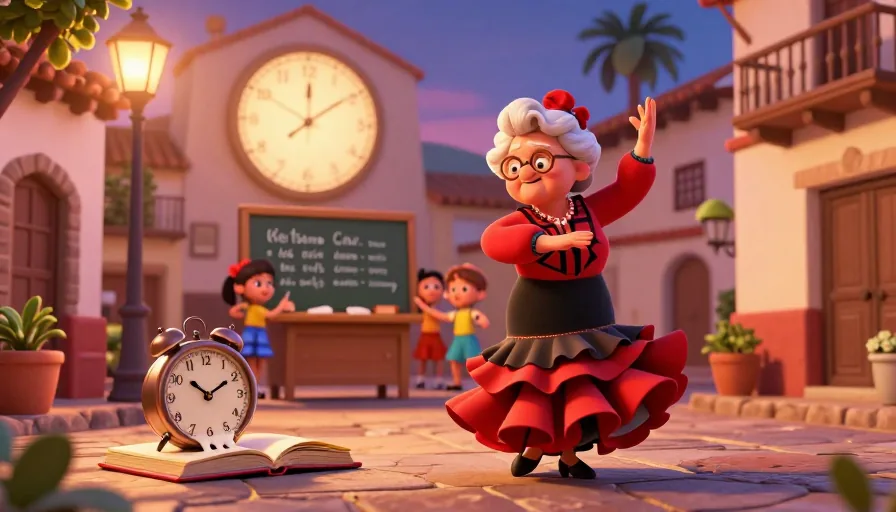
The past imperfect Spanish is a fundamental tense in Spanish grammar that describes ongoing actions, habitual past actions, and provides descriptions in the past. This guide will help you understand the nuances of the imperfect tense, master its conjugations, and learn how to use it effectively in context.
What is the Spanish Imperfect Tense Used For?
The imperfect tense in Spanish is used to describe actions that were ongoing in the past, habitual actions, and to provide background information or descriptions. Here are some key uses:
- Ongoing Actions: Actions that were happening at a specific time in the past but were not completed. For example, "Yo estaba comiendo" (I was eating).
- Habitual Actions: Actions that were done repeatedly in the past. For example, "Yo jugaba al fútbol" (I used to play soccer).
- Descriptions: Providing background information or descriptions in the past. For example, "El cielo estaba azul" (The sky was blue).
Checklist for Identifying Imperfect Tense Uses
- Does the action describe something that was happening at a specific time in the past?
- Is the action something that was done repeatedly?
- Is the action providing background information or a description?
Mastering the Conjugation: Regular and Irregular Forms
Regular Verbs
Regular verbs in the imperfect tense follow a predictable pattern. Here is a side-by-side comparison of the conjugation for regular verbs:
| Verb | Yo | Tú | Él/Ella/Usted | Nosotros/as | Vosotros/as | Ellos/as/Ustedes |
|---|---|---|---|---|---|---|
| Hablar | hablaba | hablabas | hablaba | hablábamos | hablabais | hablaban |
| Comer | comía | comías | comía | comíamos | comíais | comían |
| Vivir | vivía | vivías | vivía | vivíamos | vivíais | vivían |
Irregular Verbs
Some verbs in the imperfect tense have irregular forms. Here are some common irregular verbs:
| Verb | Yo | Tú | Él/Ella/Usted | Nosotros/as | Vosotros/as | Ellos/as/Ustedes |
|---|---|---|---|---|---|---|
| Ser/Ir | era/iba | eras/ibas | era/iba | éramos/íbamos | erais/ibais | eran/iban |
| Tener | tenía | tenías | tenía | teníamos | teníais | tenían |
| Poder | podía | podías | podía | podíamos | podíais | podían |
| Decir | decía | decías | decía | decíamos | decíais | decían |
Mini Drill: Conjugate the Following Verbs in the Imperfect Tense
- Hablar (to speak)
- Comer (to eat)
- Ser (to be)
- Tener (to have)
- Poder (to be able to)

Learn Languages with YouTube
Watch videos in your target language, auto-capture words into flashcards, and track your progress — all in one place.
See How It Works →Imperfect vs. Preterite: Choosing the Right Past Tense
Choosing between the imperfect and preterite tenses can be challenging. Here are some guidelines to help you decide:
- Use the imperfect tense for actions that were ongoing, habitual, or providing background information.
- Use the preterite tense for actions that were completed at a specific time in the past.
Examples
- Imperfect: "Cuando era joven, yo jugaba al fútbol todos los días" (When I was young, I used to play soccer every day).
- Preterite: "Ayer jugué al fútbol con mis amigos" (Yesterday, I played soccer with my friends).
Side-by-Side Comparison Chart
| Situation | Imperfect Tense | Preterite Tense |
|---|---|---|
| Ongoing Action | Yo estaba comiendo. (I was eating.) | Yo comí. (I ate.) |
| Habitual Action | Yo jugaba al fútbol. (I used to play soccer.) | Yo jugué al fútbol. (I played soccer.) |
| Completed Action | - | Yo terminé mi tarea. (I finished my homework.) |
Contextual Usage: Describing the Past
The imperfect tense is often used with expressions about the past to set the scene and provide background information. Here are some common expressions:
- When I was young: "Cuando era joven, yo vivía en una pequeña ciudad" (When I was young, I lived in a small town).
- Every day: "Todos los días, yo caminaba al parque" (Every day, I walked to the park).
- Used to: "Yo solía leer mucho" (I used to read a lot).
Practice Drill: Fill in the Blanks with the Correct Tense
-
Cuando yo era niño, yo
-
Todos los días, yo
-
Yo solía
Common Mistakes and How to Avoid Them
- Mistake: Using the preterite tense for habitual actions.
- Correction: Use the imperfect tense for habitual actions. For example, "Yo jugaba al fútbol" instead of "Yo jugué al fútbol".
- Mistake: Using the imperfect tense for completed actions.
- Correction: Use the preterite tense for completed actions. For example, "Yo terminé mi tarea" instead of "Yo estaba terminando mi tarea".
Interactive Practice Drills
To reinforce your understanding, try these interactive drills:
- Tense Identification: Read a passage in Spanish and identify whether each verb is in the imperfect or preterite tense.
- Sentence Completion: Fill in the blanks with the correct form of the verb in the imperfect tense.
- Contextual Usage: Write a short paragraph describing a past routine using the imperfect tense.
By mastering the past imperfect Spanish, you'll be able to describe past actions, habits, and scenes with confidence. Practice regularly and use these guidelines to improve your Spanish grammar skills.
FAQ
How do I know when to use the imperfect tense instead of the preterite tense?
Use the imperfect tense for ongoing, habitual actions, or to provide background information. Use the preterite tense for completed actions at a specific time in the past. For example, 'Yo jugaba al fútbol' (I used to play soccer) is imperfect, while 'Yo jugué al fútbol' (I played soccer) is preterite.
What are some common irregular verbs in the imperfect tense?
Some common irregular verbs in the imperfect tense include 'ser' (to be), 'ir' (to go), 'tener' (to have), 'poder' (to be able to), and 'decir' (to say). These verbs have unique conjugations that you should memorize.
Can you provide more examples of the imperfect tense in context?
Sure! Here are some examples: 'Cuando era joven, yo vivía en una pequeña ciudad' (When I was young, I lived in a small town), 'Todos los días, yo caminaba al parque' (Every day, I walked to the park), and 'Yo solía leer mucho' (I used to read a lot).
Related phrases
Start with Metheus
Watch videos in your target language, auto-capture words into flashcards, and track your progress — all in one place.
Get Started →

