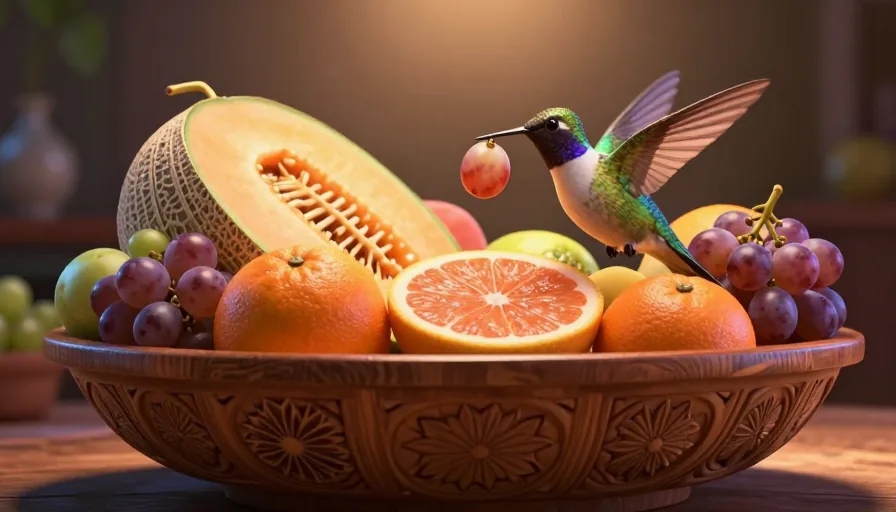
Learning the Spanish names of fruits is a delightful way to expand your vocabulary and immerse yourself in the language. Whether you're a traveler, a language enthusiast, or a student, this guide will help you master the essential fruit vocabulary with ease.
The Essential Spanish Fruit Vocabulary: A Beginner's Guide
Start with the basics. Here's a list of common Spanish fruit names that you'll encounter frequently:
| English | Spanish | Pronunciation |
|---|---|---|
| Apple | Manzana | mahn-ZAH-nah |
| Banana | Plátano | plah-TAH-noh |
| Orange | Naranja | nah-RAH-hah |
| Grape | Uva | OO-vah |
| Pineapple | Piña | PEE-nah |
| Strawberry | Fresa | FREH-sah |
| Watermelon | Sandía | san-DEE-ah |
| Lemon | Limón | lee-MOHN |
| Pear | Pera | PEH-rah |
| Peach | Durazno | doo-RAHZ-noh |
| Mango | Mango | MAHN-goh |
| Avocado | Aguacate | ah-gwah-KAH-teh |
Mini Drill: Practice Pronunciation
Try pronouncing these words aloud. Record yourself and compare with native speakers to improve your accent.
Mastering Pronunciation: Tips for Spanish Fruit Names
Pronunciation can be tricky, especially with words that don't translate directly. Here are some tips:
- Focus on Syllables: Break down the words into syllables and practice each part.
- Listen to Native Speakers: Use language learning apps or YouTube videos to listen to native speakers.
- Practice Daily: Consistency is key. Spend a few minutes each day practicing.
Interactive Pronunciation Guide
For tricky names like 'aguacate' (avocado), use online tools like Forvo to listen to native pronunciations.
Categorizing Spanish Fruit Names for Easy Learning
Categorizing fruits can make learning more manageable. Here are some categories to help you organize your vocabulary:
By Type
- Tropical Fruits: Mango, Piña, Aguacate
- Citrus Fruits: Naranja, Limón
- Berries: Fresa, Uva
- Stone Fruits: Durazno, Pera
By Letter
- A: Aguacate, Anona
- B: Banana, Berries
- C: Cereza, Coco
- D: Durazno
- E: Espino
- F: Fresa, Frambuesa
- G: Granada, Guayaba
- H: Higo
- I: Iguana
- J: Jugo
- K: Kiwi
- L: Limón, Lichi
- M: Mango, Manzana
- N: Naranja, Níspero
- O: Orujo
- P: Papaya, Piña, Pera, Plátano
- Q: Quince
- R: Rabanada
- S: Sandía, Sorbete
- T: Tangerine
- U: Uva
- V: Vino
- W: Watermelon
- X: Xoconostle
- Y: Yogurt
- Z: Zarzamora

Learn Languages with YouTube
Watch videos in your target language, auto-capture words into flashcards, and track your progress — all in one place.
See How It Works →Beyond the Basics: Fruits Used in Spanish Cuisine
Fruits are not just for eating; they're integral to Spanish cuisine. Here are some examples:
- Mango: Often used in smoothies and desserts.
- Piña: A key ingredient in many tropical dishes and cocktails.
- Aguacate: Essential in guacamole and salads.
- Naranja: Used in juices, marmalades, and desserts.
- Limón: A staple in beverages, sauces, and marinades.
Checklist: Fruits in Spanish Cuisine
- Try making a simple mango smoothie using 'mango' and 'leche' (milk).
- Learn to order a 'piña colada' at a Spanish-speaking bar.
- Practice asking for 'aguacate' in a restaurant.
- Ask for a 'naranja' juice in a café.
- Order a 'limón' soda in a restaurant.
Cultural Context: Seasonal Fruits in Spain
Understanding the cultural context can enhance your learning experience. Here are some seasonal fruits in Spain:
- Spring: Cerezas (cherries), Fresas (strawberries)
- Summer: Sandía (watermelon), Melón (melon)
- Autumn: Uvas (grapes), Manzanas (apples)
- Winter: Naranjas (oranges), Mandarinas (mandarins)
Quick Reference Chart
| Season | Fruits |
|---|---|
| Spring | Cerezas, Fresas |
| Summer | Sandía, Melón |
| Autumn | Uvas, Manzanas |
| Winter | Naranjas, Mandarinas |
Practical Examples and Phrases
Using fruit vocabulary in context is crucial. Here are some practical examples:
- Asking for Fruit: ¿Tiene manzanas? (Do you have apples?)
- Ordering a Fruit Juice: Quisiera un jugo de naranja, por favor. (I would like an orange juice, please.)
- Describing a Fruit: La manzana es roja y dulce. (The apple is red and sweet.)
- Talking About Fruit: Me encanta el mango. (I love mango.)
Mini Drill: Create Your Own Sentences
Practice creating your own sentences using the fruit vocabulary you've learned. Try to include at least three different fruits in each sentence.
Conclusion
Learning the Spanish names of fruits is a fun and practical way to expand your vocabulary. With this guide, you'll be well on your way to mastering essential fruit vocabulary and using it in real-life situations.
FAQ
Why is it important to learn the Spanish names of fruits?
Learning the Spanish names of fruits is important because it helps you communicate effectively in Spanish-speaking countries, especially when traveling or shopping for food. It also enhances your cultural understanding and makes your language learning journey more enjoyable.
How can I improve my pronunciation of Spanish fruit names?
Improve your pronunciation by breaking down the words into syllables, listening to native speakers, and practicing daily. Use online tools like Forvo for interactive pronunciation guides.
What are some common mistakes to avoid when learning Spanish fruit names?
Common mistakes include mispronouncing words, not practicing regularly, and not using the vocabulary in context. Make sure to listen to native speakers and practice using the words in sentences.
Are there any seasonal fruits in Spain that I should know about?
Yes, understanding seasonal fruits can enhance your cultural knowledge. For example, spring brings cerezas (cherries) and fresas (strawberries), while summer offers sandía (watermelon) and melón (melon). Autumn is the time for uvas (grapes) and manzanas (apples), and winter features naranjas (oranges) and mandarinas (mandarins).
Related phrases
Start with Metheus
Watch videos in your target language, auto-capture words into flashcards, and track your progress — all in one place.
Get Started →

