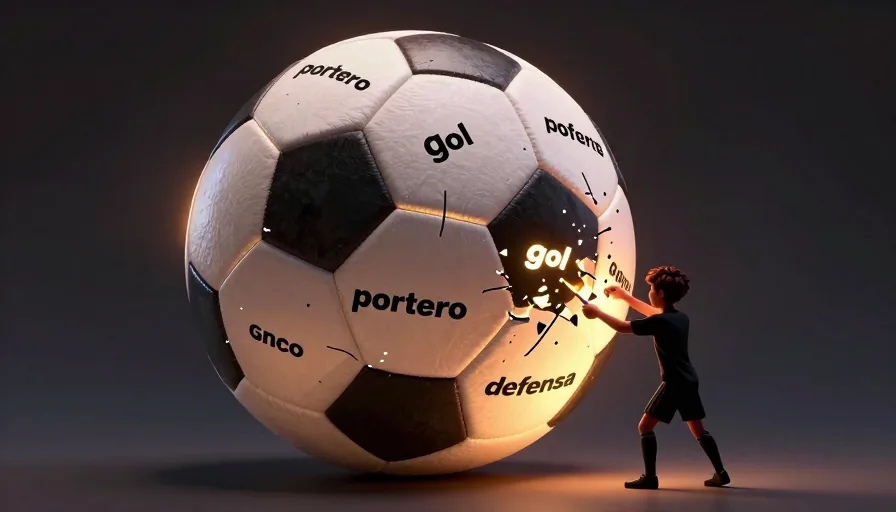
Learning Spanish for sports can be both fun and practical, especially if you're a sports enthusiast or planning to travel to a Spanish-speaking country. This guide will provide you with a comprehensive list of common sports in Spanish, pronunciation guides, and contextual usage examples to help you discuss sports confidently.
Essential Spanish Sports Vocabulary
Before diving into conversations, it's crucial to familiarize yourself with the basic vocabulary. Here's a list of common sports in Spanish:
| English | Spanish | Pronunciation Guide |
|---|---|---|
| Soccer | Fútbol | foo-TBALL |
| Basketball | Baloncesto | bah-lahs-KET-bah |
| Baseball | Béisbol | BAYS-bowl |
| Tennis | Tenis | TEH-nees |
| Swimming | Natación | nah-tah-SYOHN |
| Cycling | Ciclismo | see-KLEEZ-moh |
| Running | Carrera | kah-RAY-rah |
| Gymnastics | Gimnasia | heem-NAH-see-ah |
| Volleyball | Voleibol | boh-LEE-bowl |
| Boxing | Boxeo | boh-SEH-oh |
| Athletics (Track and Field) | Atletismo | ah-tleh-TEEZ-moh |
Pronunciation Guides for Key Sports Terms
Pronunciation is key to effective communication. Here are some tips for pronouncing the above terms correctly:
- Fútbol: The 'u' is pronounced like 'oo' in 'food'.
- Baloncesto: The 'b' is soft, similar to the 'v' in 'victory'.
- Béisbol: The 'b' is pronounced like 'b' in 'bat', and the 's' is silent.
- Tenis: The 'e' is pronounced like 'e' in 'bed'.
- Natación: The 'c' is pronounced like 's' in 'sun'.
- Ciclismo: The 'c' is pronounced like 's' in 'sun'.
- Carrera: The 'r' is rolled, and the 'a' is pronounced like 'ah'.
- Gimnasia: The 'g' is pronounced like 'h' in 'hat'.
- Voleibol: The 'v' is pronounced like 'b' in 'bat'.
- Boxeo: The 'x' is pronounced like 'ks' in 'box'.
- Atletismo: The 't' is pronounced like 't' in 'top'.
Notes on Loanwords or Direct Translations for Sports Names
Some sports names are direct translations from English, while others are loanwords. For example, 'basketball' is 'baloncesto' in Spanish, which is a direct translation. However, 'soccer' is 'fútbol,' a loanword from English 'football'.
How to Talk About Your Favorite Sports in Spanish
Knowing the vocabulary is just the beginning. Here are some practical examples to help you discuss your favorite sports in Spanish:
Asking About Someone's Favorite Sport
¿Qué deporte practicas tú?
- You: ¿Qué deporte practicas tú?
- Friend: Yo practico fútbol.
- You: ¡Qué bien! ¿Te gusta jugar en equipo?
- Friend: Sí, me encanta.
Describing Your Favorite Sport
Mi deporte favorito es el tenis porque me gusta la competencia y el desafío.
- You: Mi deporte favorito es el tenis porque me gusta la competencia y el desafío.
- Friend: ¡Qué interesante! ¿Juegas a menudo?
- You: Sí, juego casi todos los fines de semana.
Discussing Sports Events
El próximo fin de semana habrá un torneo de baloncesto en el gimnasio de la escuela.
- You: El próximo fin de semana habrá un torneo de baloncesto en el gimnasio de la escuela.
- Friend: ¡Qué emocionante! ¿Vas a participar?
- You: Sí, voy a jugar con mi equipo.

Learn Languages with YouTube
Watch videos in your target language, auto-capture words into flashcards, and track your progress — all in one place.
See How It Works →Common Sports Phrases for Conversation
Here are some common phrases to help you engage in conversations about sports:
Asking About Sports Preferences
- ¿Te gusta el fútbol?
- ¿Juegas algún deporte?
- ¿Cuál es tu deporte favorito?
Talking About Sports Activities
- Voy a jugar al tenis este fin de semana.
- Me gusta nadar en el verano.
- Voy a ver el partido de baloncesto esta noche.
Discussing Sports Achievements
- Gané la carrera de 100 metros.
- Mi equipo ganó el campeonato de fútbol.
- Me siento muy orgulloso de mi medalla de oro en gimnasia.
Cultural Context Related to Sports in Spanish-Speaking Cultures
Sports play a significant role in Spanish-speaking cultures. For example, fútbol (soccer) is incredibly popular in countries like Spain, Mexico, and Argentina. The passion for fútbol is so intense that it often brings communities together during major tournaments like the World Cup.
In Latin America, baseball is also a beloved sport, especially in countries like Cuba, the Dominican Republic, and Venezuela. The sport has a rich history and cultural significance in these regions, with many players achieving international fame.
Interactive Pronunciation Guides (Audio/Video Integration)
To enhance your learning experience, consider using interactive pronunciation guides. Websites and apps often provide audio and video resources that can help you master the correct pronunciation of sports terms. For example, you can listen to native speakers pronounce the words and practice along with them.
Focus on Conversational Phrases Using the Vocabulary
Practice using the vocabulary in sentences to build your conversational skills. Here are some mini-drills to help you get started:
- Describe your favorite sport: Write a short paragraph in Spanish about your favorite sport, explaining why you enjoy it and how often you play it.
- Ask and answer questions: Practice asking and answering questions about sports with a friend or language exchange partner. Use the phrases provided in this guide to keep the conversation flowing.
- Discuss a recent sports event: Choose a recent sports event and discuss it in Spanish. Talk about the teams, players, and outcomes, using the vocabulary and phrases you've learned.
Comparison/Contrast with English Sports Terminology
Comparing Spanish and English sports terminology can help reinforce your learning. Here are some examples:
- Soccer vs. Fútbol: While 'soccer' is a direct translation, 'fútbol' is more commonly used in Spanish-speaking countries.
- Basketball vs. Baloncesto: Both terms are used, but 'baloncesto' is the standard term in Spanish.
- Baseball vs. Béisbol: 'Béisbol' is the Spanish term for baseball, derived from the English word.
- Tennis vs. Tenis: Both terms are used interchangeably, but 'tenis' is more common in Spanish.
- Swimming vs. Natación: 'Natación' is the standard term in Spanish, derived from the Latin word 'natatio'.
Checklist for Mastering Spanish for Sports
- Learn the vocabulary: Familiarize yourself with the common sports terms and their pronunciations.
- Practice pronunciation: Use audio and video resources to master the correct pronunciation.
- Engage in conversations: Practice asking and answering questions about sports in Spanish.
- Watch sports events: Follow sports events in Spanish to pick up new vocabulary and phrases.
- Join a language exchange: Practice speaking Spanish with native speakers to improve your conversational skills.
By following this checklist, you'll be well on your way to mastering Spanish for sports and enjoying conversations about your favorite sports in Spanish.
Conclusion
Learning Spanish for sports is not only practical but also enriching. By understanding the vocabulary, pronunciation, and cultural context, you can engage in meaningful conversations and enjoy sports-related activities in Spanish-speaking countries. Use the resources and tips provided in this guide to enhance your language skills and immerse yourself in the world of sports in Spanish.
FAQ
How can I improve my pronunciation of Spanish sports terms?
To improve your pronunciation, use interactive audio and video resources. Listen to native speakers and practice along with them. Websites and apps often provide pronunciation guides that can help you master the correct sounds.
What are some common mistakes to avoid when learning Spanish for sports?
Avoid direct translations from English, as some sports terms have different names in Spanish. For example, 'soccer' is 'fútbol' in Spanish. Also, be mindful of pronunciation, as some letters have different sounds in Spanish.
How can I practice conversational Spanish related to sports?
Engage in conversations with native speakers or language exchange partners. Use the vocabulary and phrases provided in this guide to discuss your favorite sports, recent events, and achievements. Practice asking and answering questions to build your confidence.
Related phrases
Start with Metheus
Watch videos in your target language, auto-capture words into flashcards, and track your progress — all in one place.
Get Started →

