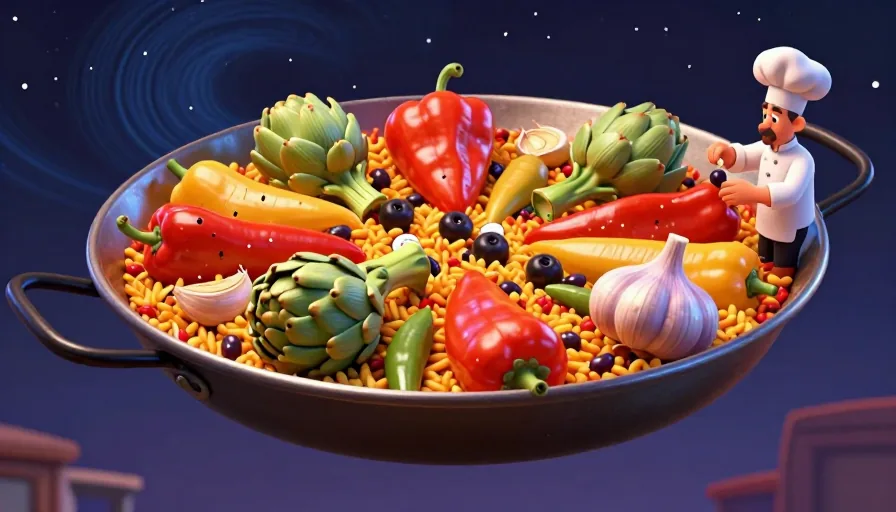
Learning about Spanish vegetables is not only a great way to expand your culinary horizons but also to enhance your Spanish language skills. This guide will provide you with essential vocabulary, cultural context, and pronunciation tips to help you master the names of common Spanish vegetables.
The Essential Spanish Vegetable Vocabulary
To start, let's dive into the essential vocabulary for common Spanish vegetables. Here is a list of vegetables you should know:
| English | Spanish | Pronunciation | Category |
|---|---|---|---|
| Tomato | Tomate | to-MAH-te | Fruit (culinary vegetable) |
| Potato | Patata | pa-TAH-ta | Root vegetable |
| Onion | Cebolla | se-BO-ya | Bulb vegetable |
| Garlic | Ajo | AH-ho | Bulb vegetable |
| Bell Pepper | Pimiento | pee-MEN-to | Fruit (culinary vegetable) |
| Cucumber | Pepino | pe-PEE-no | Fruit (culinary vegetable) |
| Carrot | Zanahoria | za-na-HO-rya | Root vegetable |
| Spinach | Espinaca | es-pee-NA-ka | Green |
| Lettuce | Lechuga | le-CHOO-ga | Green |
| Eggplant | Berenjena | be-re-NE-HE-na | Fruit (culinary vegetable) |
| Artichoke | Alcachofa | al-ka-CHO-fa | Flower bud |
| Pea | Guisante | gwee-SAN-te | Legume |
| Green Bean | Judía Verde | hoo-DEE-a VER-de | Legume |
| Mushroom | Champiñón | cham-pi-NYON | Fungus |
Mini Drill: Pronunciation Practice
Practice pronouncing the following words aloud. Focus on the stress and intonation:
- Tomate
- Patata
- Cebolla
- Ajo
- Pimiento
Regional Specialties: Vegetables You Need to Know
Spain is known for its diverse regional cuisines, each with its own unique vegetables. Here are some regional specialties you should know:
- Pataca de Galicia: A type of potato from Galicia, known for its unique flavor and texture.
- Ajo Morado de Las Pedroñeras: A variety of purple garlic from Las Pedroñeras, Castilla-La Mancha, prized for its strong flavor.
- Grelos de Galicia: A type of turnip greens from Galicia, often used in traditional Galician dishes.
- Calçot de Valls: A type of spring onion from Valls, Catalonia, often grilled and served with a romesco sauce.
- Pemento de Herbón: A variety of pepper from Herbón, Galicia, known for its sweet and mild flavor.
Checklist: Regional Vegetables
- Have you tried Pataca de Galicia in a traditional Galician dish?
- Do you know how to use Ajo Morado de Las Pedroñeras in a recipe?
- Have you tasted Grelos de Galicia?
- Do you know how to prepare Calçot de Valls?
- Have you cooked with Pemento de Herbón?
Pronunciation Tips for Key Vegetable Names
Pronunciation is key to sounding like a native speaker. Here are some tips for pronouncing key vegetable names:
- Tomate: The stress is on the second syllable (to-MAH-te).
- Patata: The stress is on the second syllable (pa-TAH-ta).
- Cebolla: The stress is on the second syllable (se-BO-ya).
- Ajo: The stress is on the first syllable (AH-ho).
- Pimiento: The stress is on the second syllable (pee-MEN-to).
Common Mistakes to Avoid
- Avoid pronouncing 'tomate' as 'to-MAH-tay'. The correct pronunciation is 'to-MAH-te'.
- Avoid pronouncing 'patata' as 'pa-TAH-tah'. The correct pronunciation is 'pa-TAH-ta'.
- Avoid pronouncing 'cebolla' as 'se-BO-ya'. The correct pronunciation is 'se-BO-ya'.
- Avoid pronouncing 'ajo' as 'AH-ho'. The correct pronunciation is 'AH-ho'.
- Avoid pronouncing 'pimiento' as 'pee-MEN-to'. The correct pronunciation is 'pee-MEN-to'.
Categorization: Understanding Spanish Vegetables
Understanding the categorization of vegetables can help you better navigate Spanish recipes and menus. Here are some common categories:
Root Vegetables
- Patata (Potato)
- Zanahoria (Carrot)
- Remolacha (Beetroot)
- Rábano (Radish)
Greens
- Espinaca (Spinach)
- Lechuga (Lettuce)
- Acelga (Swiss Chard)
- Col (Cabbage)
Peppers
- Pimiento (Bell Pepper)
- Pimiento de Padrón (Padrón Pepper)
- Guindilla (Chili Pepper)
Legumes
- Guisante (Pea)
- Judía Verde (Green Bean)
- Garbanzo (Chickpea)
- Lenteja (Lentil)
Fruits (Culinary Vegetables)
- Tomate (Tomato)
- Pepino (Cucumber)
- Calabacín (Zucchini)
- Berenjena (Eggplant)
Fungus
- Champiñón (Mushroom)
- Seta (Mushroom)
- Níscalo (Chanterelle)

Learn Languages with YouTube
Watch videos in your target language, auto-capture words into flashcards, and track your progress — all in one place.
See How It Works →Cooking with Spanish Vegetables: Culinary Context
Understanding how these vegetables are used in Spanish cuisine can enhance your language learning experience. Here are some culinary contexts to consider:
Soups and Stews
- Gazpacho: A cold soup made with tomatoes, cucumbers, bell peppers, and garlic.
- Cocido Madrileño: A hearty stew made with potatoes, carrots, and various meats.
- Fabada Asturiana: A bean stew from Asturias, often made with morcilla (blood sausage) and chorizo.
Salads
- Ensalada Mixta: A mixed salad with lettuce, tomatoes, cucumbers, and onions.
- Ensalada de Pimientos Asados: A salad made with grilled bell peppers, onions, and garlic.
- Ensalada de Espinacas: A spinach salad with various toppings like nuts, fruits, and cheese.
Main Dishes
- Paella: A rice dish made with a variety of vegetables, including bell peppers, artichokes, and peas.
- Tortilla Española: A Spanish omelette made with potatoes and onions.
- Pisto Manchego: A vegetable stew from La Mancha, made with tomatoes, eggplants, and peppers.
Side Dishes
- Patatas Bravas: Fried potato cubes served with a spicy sauce.
- Espinacas con Garbanzos: Spinach and chickpea stew.
- Judías Verdes al Ajillo: Green beans sautéed with garlic.
Mini Drill: Culinary Context
Match the following dishes with their main ingredients:
- Gazpacho
- Cocido Madrileño
- Fabada Asturiana
- Ensalada Mixta
- Ensalada de Pimientos Asados
- Ensalada de Espinacas
- Paella
- Tortilla Española
- Pisto Manchego
- Patatas Bravas
- Espinacas con Garbanzos
- Judías Verdes al Ajillo
a. Tomatoes, cucumbers, bell peppers, and garlic b. Rice, bell peppers, artichokes, and peas c. Potatoes and onions d. Potatoes, carrots, and various meats e. Spinach and chickpeas f. Spinach with various toppings g. Green beans and garlic h. Fried potato cubes i. Tomatoes, eggplants, and peppers j. Beans, morcilla, and chorizo k. Grilled bell peppers, onions, and garlic l. Lettuce, tomatoes, cucumbers, and onions
Interactive Vocabulary Quiz
Test your knowledge with this interactive quiz. Answer the following questions to see how well you've mastered Spanish vegetable vocabulary:
-
What is the Spanish word for 'tomato'? a) Patata b) Tomate c) Cebolla d) Ajo
-
Which of the following is a type of pepper from Galicia? a) Pimiento de Padrón b) Pimiento c) Guindilla d) Champiñón
-
What is the Spanish word for 'spinach'? a) Lechuga b) Espinaca c) Acelga d) Col
-
Which of the following is a root vegetable? a) Tomate b) Pepino c) Zanahoria d) Berenjena
-
What is the Spanish word for 'mushroom'? a) Champiñón b) Seta c) Níscalo d) All of the above
Conclusion
Learning about Spanish vegetables is a delicious way to enhance your language skills. By mastering the essential vocabulary, understanding the cultural context, and practicing your pronunciation, you'll be well on your way to speaking Spanish like a native. Happy learning!
FAQ
Why is it important to learn about Spanish vegetables?
Learning about Spanish vegetables is important because it provides a practical and engaging way to expand your vocabulary and understand the cultural context of Spanish cuisine. This knowledge can enhance your language learning experience and help you communicate more effectively in Spanish-speaking environments.
How can I improve my pronunciation of Spanish vegetable names?
To improve your pronunciation, focus on the stress and intonation of each word. Practice pronouncing the words aloud and listen to native speakers for guidance. Additionally, use online resources and language learning apps to get feedback on your pronunciation.
What are some common mistakes to avoid when learning Spanish vegetable names?
Common mistakes include mispronouncing words due to incorrect stress or intonation. For example, avoid pronouncing 'tomate' as 'to-MAH-tay' instead of 'to-MAH-te'. Pay attention to the correct pronunciation and practice regularly to avoid these mistakes.
How can I use Spanish vegetable vocabulary in real-life situations?
You can use Spanish vegetable vocabulary in real-life situations by ordering food at restaurants, shopping at markets, and cooking Spanish dishes. Engage in conversations with native speakers about food and cuisine to practice your vocabulary and improve your language skills.
Related phrases
Start with Metheus
Watch videos in your target language, auto-capture words into flashcards, and track your progress — all in one place.
Get Started →

