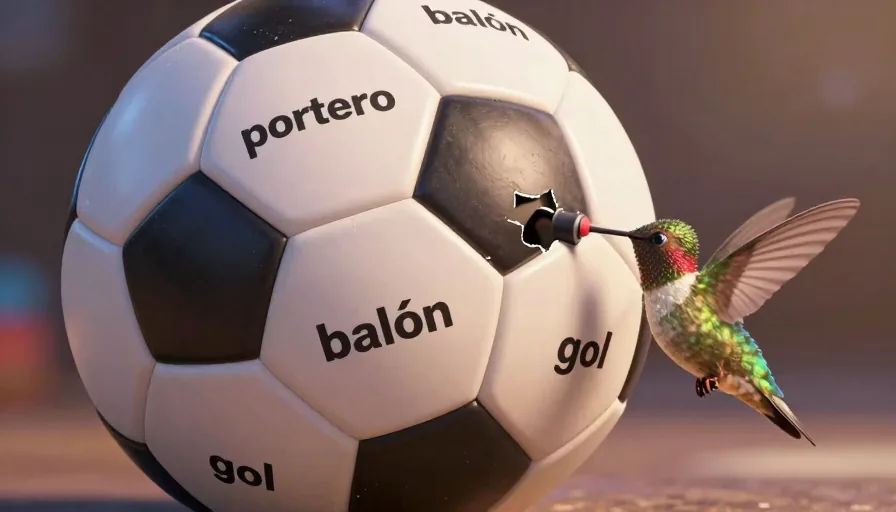
Learning sports in Spanish language can be both fun and practical, especially if you're a sports enthusiast or planning to travel to a Spanish-speaking country. This guide will provide you with a comprehensive list of sports vocabulary, pronunciation guides, and practical usage examples to help you communicate effectively about sports in Spanish.
Essential Spanish Sports Vocabulary: A Comprehensive List
Here is a list of common sports in Spanish, categorized for easier learning:
Team Sports
| English | Spanish | Pronunciation |
|---|---|---|
| Basketball | Baloncesto | /ba.lon.ˈθe.to/ |
| Soccer | Fútbol | /ˈfu.ðol/ |
| Baseball | Béisbol | /ˈbejs.bol/ |
| Volleyball | Voleibol | /bo.lej.ˈbol/ |
| Rugby | Rugby | /ˈruɣ.βi/ |
Individual Sports
| English | Spanish | Pronunciation |
|---|---|---|
| Tennis | Tenis | /ˈte.nis/ |
| Swimming | Natación | /na.ta.ˈθjon/ |
| Cycling | Ciclismo | /θi.ˈkliz.mo/ |
| Running | Carrera | /ka.ˈre.ra/ |
| Gymnastics | Gimnasia | /xim.ˈna.sja/ |
Extreme Sports
| English | Spanish | Pronunciation |
|---|---|---|
| Surfing | Surf | /ˈsuɾf/ |
| Skiing | Esquí | /es.ˈki/ |
| Rock Climbing | Escalada | /es.ka.ˈla.ða/ |
| Skateboarding | Patinaje | /pa.ti.ˈna.xe/ |
Martial Arts
| English | Spanish | Pronunciation |
|---|---|---|
| Karate | Karate | /ka.ˈɾa.te/ |
| Judo | Judo | /ˈxu.ðo/ |
| Taekwondo | Taekwondo | /ta.ek.ˈwon.do/ |
| Boxing | Boxeo | /bok.ˈse.o/ |
How to Pronounce Common Spanish Sports Terms
Pronunciation is key to effective communication. Here are some tips and examples to help you pronounce sports terms correctly:
Tips for Pronunciation
- Listen and Repeat: Use language learning apps or online resources to listen to native speakers pronouncing the words.
- Break it Down: Break down the words into syllables and practice each part.
- Practice with Context: Use the words in sentences to get a feel for the natural flow.
Examples
- Fútbol (Soccer): The 'u' is pronounced like the 'u' in 'fun', and the 'l' at the end is silent. So, it sounds like /ˈfu.ðol/.
- Baloncesto (Basketball): The 'b' is pronounced like the 'b' in 'bat', and the 'c' in 'on' is pronounced like the 'th' in 'think'. So, it sounds like /ba.lon.ˈθe.to/.
- Natación (Swimming): The 'n' is pronounced like the 'n' in 'no', and the 'c' in 'on' is pronounced like the 'th' in 'think'. So, it sounds like /na.ta.ˈθjon/.
Using Sports Vocabulary in Conversation
To make your learning more practical, here are some examples of how to use sports vocabulary in simple sentences and conversations:
Simple Sentences
- Me gusta jugar al fútbol. (I like to play soccer.)
- Voy a nadar mañana. (I am going to swim tomorrow.)
- Practico karate los martes y jueves. (I practice karate on Tuesdays and Thursdays.)
Conversational Examples
- ¿Qué deportes practicas tú? (What sports do you practice?)
- Practico natación y tenis. (I practice swimming and tennis.)
- ¿Te gusta ver deportes en la televisión? (Do you like to watch sports on TV?)
- Sí, me gusta ver fútbol y baloncesto. (Yes, I like to watch soccer and basketball.)
- ¿Cuál es tu deporte favorito? (What is your favorite sport?)
- Mi deporte favorito es el ciclismo. (My favorite sport is cycling.)

Learn Languages with YouTube
Watch videos in your target language, auto-capture words into flashcards, and track your progress — all in one place.
See How It Works →Differentiating Between Sport Names and Related Vocabulary
It's important to differentiate between the names of sports and related vocabulary, such as equipment and actions. Here are some examples:
Equipment
- Balón (Ball): Used in sports like fútbol, baloncesto, and voleibol.
- Raqueta (Racket): Used in sports like tenis and bádminton.
- Bicicleta (Bicycle): Used in ciclismo.
- Guantes (Gloves): Used in sports like boxeo and béisbol.
Actions
- Correr (To run): Used in sports like atletismo and carrera.
- Nadar (To swim): Used in natación.
- Patear (To kick): Used in sports like fútbol and rugby.
- Lanzar (To throw): Used in sports like béisbol and baloncesto.
Cultural Context: Popular Sports in Spanish-Speaking Countries
Understanding the cultural context can enhance your learning experience. Here are some popular sports in Spanish-speaking countries:
Mexico
- Fútbol: Soccer is extremely popular in Mexico, with a strong national team and passionate fans.
- Béisbol: Baseball is also widely played and followed, especially in the northern regions.
Spain
- Fútbol: Soccer is the most popular sport in Spain, with legendary teams like Real Madrid and Barcelona.
- Baloncesto: Basketball has a significant following, with the national team being one of the best in the world.
Argentina
- Fútbol: Soccer is the national passion, with iconic players like Lionel Messi and Diego Maradona.
- Pato: A traditional Argentine sport played on horseback, similar to polo.
Practical Checklist for Learning Sports Vocabulary
Here's a checklist to help you master sports vocabulary in Spanish:
- Learn the basic vocabulary for common sports.
- Practice pronunciation using language learning apps or online resources.
- Use sports vocabulary in simple sentences and conversations.
- Differentiate between sport names and related vocabulary (equipment, actions).
- Learn about popular sports in Spanish-speaking countries and their cultural significance.
Mini Drills for Practice
- Vocabulary Drill: Write down the Spanish words for your favorite sports and practice pronouncing them.
- Sentence Construction: Create sentences using sports vocabulary and share them with a language exchange partner.
- Conversation Practice: Engage in conversations about sports with native Spanish speakers or language exchange partners.
- Cultural Immersion: Watch sports events or documentaries in Spanish to enhance your understanding of the cultural context.
By following this guide, you'll be well on your way to mastering sports vocabulary in Spanish and communicating effectively about sports in Spanish-speaking countries.
FAQ
How can I improve my pronunciation of Spanish sports terms?
To improve your pronunciation, listen to native speakers, break down the words into syllables, and practice using them in sentences. Language learning apps and online resources can also be very helpful.
What are some common mistakes to avoid when learning sports vocabulary in Spanish?
Common mistakes include mispronouncing words, confusing similar-sounding sports, and not understanding the cultural context. Make sure to practice pronunciation, use vocabulary in context, and learn about popular sports in Spanish-speaking countries.
How can I practice sports vocabulary in Spanish effectively?
Practice sports vocabulary by using it in sentences, engaging in conversations with native speakers, and watching sports events or documentaries in Spanish. This will help you understand the cultural context and improve your communication skills.
Related phrases
Start with Metheus
Watch videos in your target language, auto-capture words into flashcards, and track your progress — all in one place.
Get Started →

