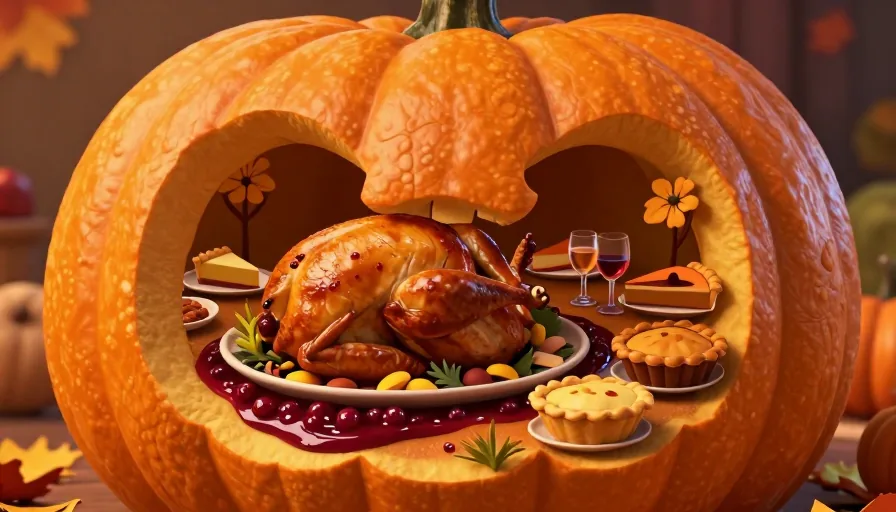
Thanksgiving is a time for family, food, and reflection. To fully participate in the festivities, it's essential to understand the thanksgiving holiday words that capture the spirit of the season. This guide will help you master the vocabulary related to Thanksgiving foods, traditions, and sentiments, ensuring you can engage in meaningful conversations with confidence.
Essential Thanksgiving Vocabulary: Words for Discussion
To start, let's dive into some essential Thanksgiving holiday words that you'll encounter frequently during the holiday season.
Basic Thanksgiving Vocabulary
- Turkey: The star of the Thanksgiving meal. Example: "We always have a big turkey for dinner."
- Stuffing: A side dish made from bread, vegetables, and seasonings. Example: "My mom's stuffing is the best part of the meal."
- Cranberry sauce: A tart sauce made from cranberries, often served with turkey. Example: "I love the cranberry sauce; it adds a nice tang to the meal."
- Pumpkin pie: A classic dessert made with pumpkin and spices. Example: "We can't have Thanksgiving without pumpkin pie."
- Gratitude: The feeling of being thankful. Example: "This Thanksgiving, I feel a deep sense of gratitude for my family."
Advanced Thanksgiving Vocabulary
- Harvest: The gathering of crops. Example: "Thanksgiving celebrates the harvest season."
- Pilgrims: The early settlers who celebrated the first Thanksgiving. Example: "We learn about the Pilgrims in school."
- Feast: A large, elaborate meal. Example: "Our family feast includes all the traditional dishes."
- Gobble: The sound a turkey makes. Example: "The turkey will gobble until it's time to eat."
- Bountiful: Plentiful and abundant. Example: "The table was filled with a bountiful spread of food."
Understanding Key Themes: Gratitude, Tradition, and Feast
Gratitude
Gratitude is a central theme of Thanksgiving. It's about expressing thanks for the blessings in your life. Here are some ways to express gratitude:
- I am grateful for...: Example: "I am grateful for my health and my family."
- Thankful: Example: "I am thankful for the love and support of my friends."
- Appreciative: Example: "I am appreciative of the opportunities I've had this year."
Tradition
Thanksgiving is rich in tradition. Understanding these traditions can help you participate more fully. Here are some key traditions:
- Parade: The Macy's Thanksgiving Day Parade is a famous tradition. Example: "We watch the parade every year."
- Football: Many families watch football games on Thanksgiving. Example: "My family always has a football game on in the background."
- Family gathering: Getting together with family is a core tradition. Example: "We drive across the country to be with family."
- Black Friday: The day after Thanksgiving, known for shopping deals. Example: "We always go shopping on Black Friday."
Feast
The Thanksgiving feast is a highlight of the holiday. Here are some key dishes and terms:
- Roast turkey: The main dish. Example: "The roast turkey is the centerpiece of our meal."
- Mashed potatoes: Creamy potatoes, often served with gravy. Example: "I love the mashed potatoes with gravy."
- Green bean casserole: A side dish made with green beans and cream of mushroom soup. Example: "The green bean casserole is a family favorite."
- Sweet potatoes: Often served with marshmallows or brown sugar. Example: "We have sweet potatoes with marshmallows on top."

Learn Languages with YouTube
Watch videos in your target language, auto-capture words into flashcards, and track your progress — all in one place.
See How It Works →Practical Examples and Checklists
Conversational Examples
- At the dinner table: "I'm so grateful for this delicious meal and the company of my loved ones."
- Watching the parade: "The floats are amazing this year! I love the Thanksgiving parade."
- Playing football: "Let's have a friendly game of football after dinner."
- Shopping on Black Friday: "I can't wait to go shopping tomorrow and find some great deals."
Checklist for Learning Thanksgiving Vocabulary
- Make a list: Write down the key Thanksgiving holiday words and their meanings.
- Practice sentences: Create sentences using the new vocabulary.
- Engage in conversation: Use the words in real-life conversations.
- Watch and listen: Pay attention to how these words are used in movies, TV shows, and parades.
- Read about Thanksgiving: Learn more about the history and traditions of the holiday.
Tips for Teaching/Learning These Words Effectively
For Teachers
- Contextual learning: Teach the words in the context of Thanksgiving stories and traditions.
- Interactive activities: Use games and activities to make learning fun.
- Real-life application: Encourage students to use the words in conversations and writing.
For Learners
- Practice regularly: Use the words in daily conversations and writing.
- Join in activities: Participate in Thanksgiving-related activities to see the words in action.
- Ask questions: Don't be afraid to ask for clarification if you don't understand a word.
Mini Drills for Practice
Fill in the Blanks
- The _______ is the main dish at our Thanksgiving dinner.
- We always watch the _______ on Thanksgiving morning.
- I am _______ for the love and support of my family.
- The _______ is a traditional side dish made with green beans.
- We go shopping on _______ to find great deals.
True or False
- The Pilgrims celebrated the first Thanksgiving.
- Gratitude is about feeling sad.
- The feast includes dishes like turkey and pumpkin pie.
- Black Friday is the day before Thanksgiving.
- The harvest is the gathering of crops.
Conclusion
Mastering Thanksgiving holiday words can enrich your experience of the holiday and help you engage more meaningfully with others. By understanding the key vocabulary related to food, traditions, and sentiments, you'll be well-prepared to participate in conversations and activities. Happy learning, and happy Thanksgiving!
FAQ
Why is it important to learn Thanksgiving holiday words?
Learning Thanksgiving holiday words helps you understand the traditions and sentiments of the holiday, allowing you to participate more fully in conversations and activities. It also enriches your vocabulary and cultural knowledge.
What are some common mistakes people make when learning Thanksgiving vocabulary?
Common mistakes include focusing on a raw list of words without understanding their context, not practicing the words in real-life situations, and not engaging in conversations that use these words. To avoid these mistakes, practice using the words in sentences and engage in activities that involve Thanksgiving traditions.
How can I teach Thanksgiving vocabulary to my students effectively?
Teach Thanksgiving vocabulary in the context of stories and traditions, use interactive activities, and encourage real-life application. Make learning fun and engaging by incorporating games and discussions that involve the vocabulary.
Related phrases
Start with Metheus
Watch videos in your target language, auto-capture words into flashcards, and track your progress — all in one place.
Get Started →

