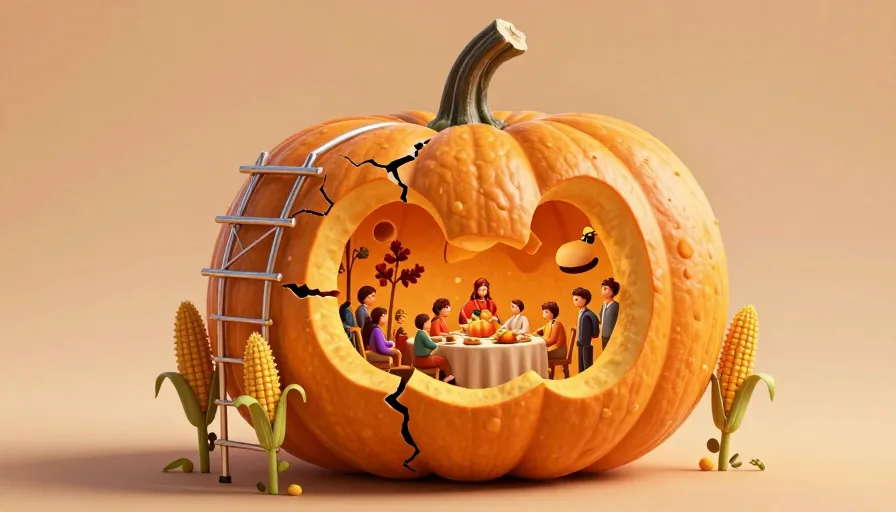
Learning 40 Thanksgiving words can significantly enhance your English skills and cultural understanding, especially if you're preparing to celebrate this holiday in the United States. This guide provides a comprehensive list of Thanksgiving-related vocabulary, categorized for easy learning, with definitions, examples, and interactive exercises.
Essential Thanksgiving Vocabulary for Conversation
Before diving into specific categories, let's start with some essential Thanksgiving words that will help you engage in conversations about the holiday.
Common Thanksgiving Words
-
Turkey - The traditional main dish of a Thanksgiving meal. Example: We always have a turkey for our Thanksgiving dinner.
-
Pilgrim - A person who made the first Thanksgiving celebration. Example: The Pilgrims and Native Americans shared a feast to celebrate the harvest.
-
Harvest - The gathering of crops. Example: Thanksgiving is a time to celebrate the harvest and give thanks.
-
Gratitude - The feeling of being thankful. Example: Expressing gratitude is an important part of Thanksgiving.
-
Feast - A large meal, often celebratory. Example: Our family hosts a big feast every Thanksgiving.
Interactive Exercise: Fill in the Blanks
Complete the sentences with the correct words from the list above.
- The _______ is usually the centerpiece of the Thanksgiving table.
- The first Thanksgiving was celebrated by the _______ and Native Americans.
- Thanksgiving is a time to celebrate the _______ and give thanks.
- Feeling _______ is a big part of the holiday.
- We invite all our relatives to our annual _______.
Words for Thanksgiving Food and Recipes
Thanksgiving is famous for its delicious food. Here are some key words related to Thanksgiving dishes and recipes.
Thanksgiving Food Vocabulary
-
Stuffing - A dish made from bread, vegetables, and spices, often cooked inside the turkey. Example: My mom's stuffing is the best part of the meal.
-
Cranberry sauce - A sweet and tangy sauce made from cranberries, often served with turkey. Example: I prefer homemade cranberry sauce over the canned version.
-
Pumpkin pie - A traditional dessert made with pumpkin and spices. Example: Pumpkin pie is a must-have for our Thanksgiving dessert table.
-
Mashed potatoes - Potatoes that are boiled and then mashed with butter and milk. Example: My grandma's mashed potatoes are creamy and delicious.
-
Green bean casserole - A casserole made with green beans, cream of mushroom soup, and fried onions. Example: Green bean casserole is a classic side dish for Thanksgiving.
Regional Variations
Thanksgiving dishes can vary by region. For example, in the South, you might find sweet potato casserole with marshmallows, while in the Northeast, oyster stuffing might be more common.
Interactive Exercise: Match the Dish to the Region
Match the dish to the region where it is commonly served.
- Sweet potato casserole
- Oyster stuffing
- Cornbread dressing
- Pumpkin pie
A. Northeast B. South C. Midwest D. All regions
Phrases for Expressing Gratitude and Sharing Stories
Thanksgiving is a time to express gratitude and share stories with loved ones. Here are some phrases to help you do that.
Expressing Gratitude
-
I am grateful for... - A phrase used to express thanks. Example: I am grateful for my family and friends who gather with me each year.
-
Thank you for... - A phrase used to show appreciation. Example: Thank you for hosting Thanksgiving dinner this year.
-
Blessed - Feeling fortunate or lucky. Example: I feel blessed to have such a loving family.
Sharing Stories
-
Remember when... - A phrase used to start a story about a past event. Example: Remember when we had that big snowstorm during Thanksgiving?
-
What are you thankful for? - A question used to start a conversation about gratitude. *Example: Around the table, we go around and each person answers, 'What are you thankful for?'
-
This reminds me of... - A phrase used to connect a current situation to a past memory. Example: This pumpkin pie reminds me of the ones my grandma used to make.
Interactive Exercise: Role-Play
Practice expressing gratitude and sharing stories with a partner. Use the phrases above to create a conversation.

Learn Languages with YouTube
Watch videos in your target language, auto-capture words into flashcards, and track your progress — all in one place.
See How It Works →Understanding Thanksgiving Traditions and History
Thanksgiving has a rich history and many traditions. Here are some key words and phrases to help you understand and participate in them.
Thanksgiving Traditions
-
Parade - A large, festive procession, often with floats and marching bands. Example: The Macy's Thanksgiving Day Parade is a famous event in New York City.
-
Football - A popular sport often watched on Thanksgiving. Example: Watching football is a big part of our Thanksgiving tradition.
-
Black Friday - The day after Thanksgiving, known for big sales and shopping. Example: I always go shopping on Black Friday to get great deals.
-
Cornucopia - A horn-shaped basket filled with fruits and vegetables, symbolizing abundance. Example: The cornucopia on our table represents the harvest and plenty.
Thanksgiving History
-
Pilgrims - The English settlers who celebrated the first Thanksgiving. Example: The Pilgrims and Native Americans shared a feast to celebrate the harvest.
-
Native Americans - The indigenous people of North America who helped the Pilgrims survive. Example: The Native Americans taught the Pilgrims how to grow crops and hunt.
-
Plymouth - The place where the first Thanksgiving was celebrated. Example: The first Thanksgiving was held in Plymouth, Massachusetts.
Interactive Exercise: True or False
Determine if the following statements are true or false.
- The first Thanksgiving was celebrated in Virginia.
- The Pilgrims and Native Americans shared a feast to celebrate the harvest.
- Black Friday is the day before Thanksgiving.
- A cornucopia is a type of pie.
Cultural Context and Usage Tips
Understanding the cultural context of Thanksgiving words can help you use them more effectively. Here are some tips:
Cultural Nuances
-
Family and togetherness: Thanksgiving is a time for family and friends to come together. Use words and phrases that emphasize togetherness and gratitude.
-
Regional differences: Thanksgiving traditions and dishes can vary by region. Be aware of these differences when talking to people from different parts of the country.
-
Historical significance: Thanksgiving has a rich history. Understanding the historical context can help you appreciate the holiday more deeply.
Common Mistakes to Avoid
-
Confusing words: Be careful not to confuse words like stuffing and dressing. In some regions, they are used interchangeably, but in others, they refer to different dishes.
-
Overusing phrases: Be mindful of overusing phrases like I am grateful for... Try to vary your language to keep conversations interesting.
Checklist for Learning Thanksgiving Vocabulary
- Learn the essential Thanksgiving words and phrases.
- Practice using them in sentences and conversations.
- Understand the cultural context and regional variations.
- Participate in interactive exercises and role-plays.
- Review and reinforce your learning regularly.
Mini Drill: Thanksgiving Conversation
Practice a short conversation using the vocabulary you've learned.
Person A: What are you most looking forward to about Thanksgiving this year?
Person B: I am grateful for the opportunity to spend time with my family. What about you?
Person A: I am thankful for the delicious food, especially the turkey and stuffing. Remember when we had that big snowstorm during Thanksgiving?
Person B: Yes, that was an adventure! This reminds me of the time we had to shovel the driveway before the feast.
Person A: Exactly! And don't forget the parade and football games.
Person B: How could I forget? It's a full day of fun and togetherness.
By mastering these 40 Thanksgiving words, you'll be well-prepared to participate in conversations, understand cultural nuances, and enjoy the holiday to the fullest. Happy learning and happy Thanksgiving!
FAQ
Why is it important to learn Thanksgiving vocabulary?
Learning Thanksgiving vocabulary helps you understand the cultural significance of the holiday, engage in conversations with native speakers, and appreciate the traditions and history behind it. It also enhances your language skills and cultural awareness.
How can I practice using Thanksgiving words in conversation?
You can practice using Thanksgiving words by engaging in role-plays, participating in interactive exercises, and using the vocabulary in real-life conversations. Try to incorporate the words into your daily language and practice with friends or family.
Are there regional variations in Thanksgiving vocabulary?
Yes, there are regional variations in Thanksgiving vocabulary and traditions. For example, the dishes served and the specific words used can differ based on the region. Being aware of these variations can help you understand and appreciate the diversity of the holiday.
Related phrases
Start with Metheus
Watch videos in your target language, auto-capture words into flashcards, and track your progress — all in one place.
Get Started →

