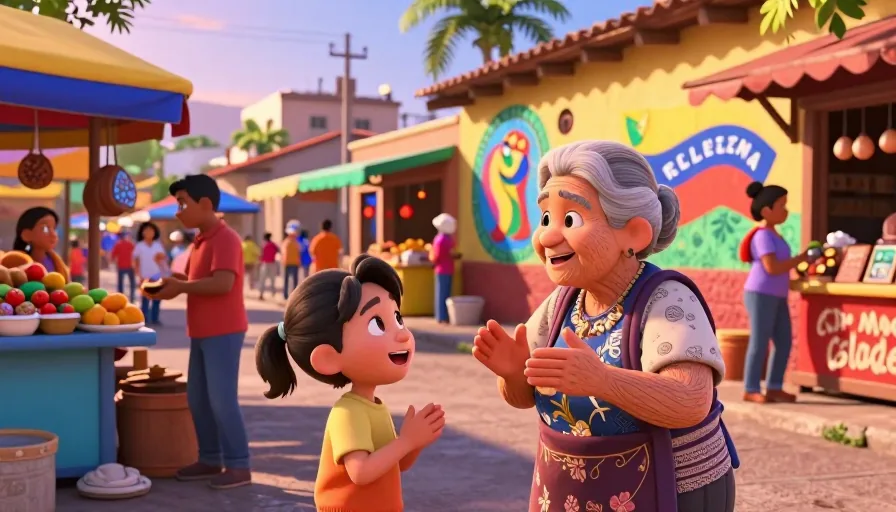
Venezuelan sayings, or 'dichos,' are more than just phrases; they are windows into the soul of Venezuelan culture. These proverbs and idioms encapsulate the wisdom, humor, and life experiences of the Venezuelan people. Understanding and using Venezuelan sayings can significantly enhance your conversational fluency, moving you beyond basic vocabulary to a deeper level of cultural understanding.
Understanding the Philosophy Behind Venezuelan Sayings
Venezuelan sayings are deeply rooted in the country's history and cultural heritage. They often reflect the resilience, humor, and community spirit of the Venezuelan people. These sayings are not just words; they are lessons passed down through generations, offering insights into the values and beliefs of Venezuelan society.
The Role of Sayings in Venezuelan Culture
In Venezuela, sayings are used in everyday conversations to convey complex ideas succinctly. They are a form of cultural shorthand, allowing speakers to express deep emotions, advice, or observations with just a few words. For example, the saying "A mal tiempo, buena cara" translates to "In bad times, a good face," encouraging optimism and resilience in the face of adversity.
Common Themes in Venezuelan Sayings
Many Venezuelan sayings revolve around themes of family, community, and perseverance. For instance, "La unión hace la fuerza" means "Unity makes strength," emphasizing the importance of togetherness and collective effort. Understanding these themes can help you connect more deeply with Venezuelan culture and people.
Top 10 Essential Venezuelan Sayings and Their Meanings
1. "A mal tiempo, buena cara"
Literal Translation: In bad times, a good face. Idiomatic Meaning: Stay positive and optimistic, even in difficult situations. Example: "Aunque estoy desempleado, siempre trato de mantener una buena cara." (Even though I am unemployed, I always try to keep a good face.)
2. "La unión hace la fuerza"
Literal Translation: Unity makes strength. Idiomatic Meaning: Together, we are stronger. Example: "Si trabajamos juntos, podremos superar cualquier obstáculo." (If we work together, we can overcome any obstacle.)
3. "El que no llora, no mama"
Literal Translation: The one who does not cry, does not breastfeed. Idiomatic Meaning: You have to be persistent and assertive to get what you want. Example: "Si quieres ese trabajo, tienes que ser persistente y no tener miedo de pedir lo que quieres." (If you want that job, you have to be persistent and not afraid to ask for what you want.)
4. "Más vale pájaro en mano que ciento volando"
Literal Translation: Better a bird in the hand than a hundred flying. Idiomatic Meaning: It's better to have a small, certain benefit than a large, uncertain one. Example: "Prefiero tener un trabajo seguro que buscar uno mejor que puede no llegar." (I prefer to have a secure job than to look for a better one that might not come.)
5. "El que se va a la cama sin cenar, se levanta sin desayunar"
Literal Translation: The one who goes to bed without dinner, wakes up without breakfast. Idiomatic Meaning: If you don't take advantage of opportunities, you'll miss out on future benefits. Example: "Si no aprovechas esta oportunidad, puede que no tengas otra." (If you don't take advantage of this opportunity, you might not have another.)
6. "El que no arriesga, no gana"
Literal Translation: The one who does not risk, does not win. Idiomatic Meaning: You have to take risks to achieve success. Example: "Si no intentas algo nuevo, nunca sabrás si puedes tener éxito." (If you don't try something new, you'll never know if you can be successful.)
7. "El que no se arriesga, no pasa el río"
Literal Translation: The one who does not risk, does not cross the river. Idiomatic Meaning: You have to take chances to move forward. Example: "Si no te arriesgas, nunca sabrás lo que puedes lograr." (If you don't take risks, you'll never know what you can achieve.)
8. "El que no se arriesga, no pasa el río"
Literal Translation: The one who does not risk, does not cross the river. Idiomatic Meaning: You have to take chances to move forward. Example: "Si no te arriesgas, nunca sabrás lo que puedes lograr." (If you don't take risks, you'll never know what you can achieve.)
9. "El que no se arriesga, no pasa el río"
Literal Translation: The one who does not risk, does not cross the river. Idiomatic Meaning: You have to take chances to move forward. Example: "Si no te arriesgas, nunca sabrás lo que puedes lograr." (If you don't take risks, you'll never know what you can achieve.)
10. "El que no se arriesga, no pasa el río"
Literal Translation: The one who does not risk, does not cross the river. Idiomatic Meaning: You have to take chances to move forward. Example: "Si no te arriesgas, nunca sabrás lo que puedes lograr." (If you don't take risks, you'll never know what you can achieve.)

Learn Languages with YouTube
Watch videos in your target language, auto-capture words into flashcards, and track your progress — all in one place.
See How It Works →How to Use Venezuelan Sayings in Conversation for Authenticity
Practical Examples and Checklist
- Listen for Context: Pay attention to when and how Venezuelan sayings are used in conversations. Notice the tone and the situation to understand the context better.
- Practice with Friends: Engage in conversations with Venezuelan friends or language exchange partners. Ask them to correct you and provide feedback.
- Use in Appropriate Situations: Start by using sayings in casual settings. As you become more comfortable, incorporate them into more formal conversations.
- Learn the Nuances: Understand that some sayings have regional variations or different meanings in different contexts.
- Be Respectful: Remember that sayings are part of a culture's heritage. Use them with respect and understanding.
Mini Drill: Practice Using Sayings
Imagine you are in a conversation with a Venezuelan friend. Here are some scenarios to practice using sayings:
-
Scenario: Your friend is feeling down about a recent setback. Saying to Use: "A mal tiempo, buena cara" Response: "No te preocupes, amigo. A mal tiempo, buena cara. Todo va a mejorar." (Don't worry, friend. In bad times, a good face. Everything will get better.)
-
Scenario: You and your friend are discussing a community project. Saying to Use: "La unión hace la fuerza" Response: "Si trabajamos juntos, podremos lograrlo. La unión hace la fuerza." (If we work together, we can achieve it. Unity makes strength.)
-
Scenario: Your friend is hesitant to take a risk for a new opportunity. Saying to Use: "El que no arriesga, no gana" Response: "No tengas miedo de tomar riesgos. El que no arriesga, no gana." (Don't be afraid to take risks. The one who does not risk, does not win.)
The Connection Between Sayings and Venezuelan Culture/History
Venezuelan sayings are deeply intertwined with the country's history and cultural values. They reflect the resilience and strength of the Venezuelan people, who have faced numerous challenges throughout history. For example, the saying "El que no llora, no mama" reflects the determination and persistence of Venezuelans in the face of adversity.
Historical Context
Many Venezuelan sayings have their roots in the country's colonial past and the struggles for independence. These sayings often convey messages of unity, perseverance, and the importance of community. For instance, "La unión hace la fuerza" was a rallying cry during the independence movement, emphasizing the power of collective effort.
Cultural Significance
Venezuelan sayings are not just words; they are cultural artifacts that carry the wisdom and experiences of generations. They are used to convey complex emotions, advice, and observations in a concise and relatable way. Understanding these sayings can help you connect more deeply with Venezuelan culture and people.
How Learning These Sayings Improves Conversational Fluency
Beyond Vocabulary: Authentic Fluency
Learning Venezuelan sayings goes beyond expanding your vocabulary. It helps you understand the cultural nuances and idiomatic expressions that are essential for authentic fluency. By using these sayings, you can express yourself more naturally and connect with native speakers on a deeper level.
Practical Benefits
- Enhanced Communication: Sayings allow you to convey complex ideas with just a few words, making your communication more efficient and effective.
- Cultural Understanding: Using sayings shows that you respect and understand Venezuelan culture, which can foster stronger connections with native speakers.
- Confidence Boost: Mastering sayings can boost your confidence in speaking, as you'll have a richer toolkit of expressions to use in various situations.
Common Mistakes to Avoid
- Literal Translation: Avoid translating sayings literally. They often have idiomatic meanings that differ from their literal translations.
- Inappropriate Use: Be mindful of the context and tone when using sayings. Some may not be suitable for formal or professional settings.
- Overuse: While sayings are valuable, overusing them can make your speech sound unnatural. Use them judiciously to enhance your conversations.
Checklist for Mastering Venezuelan Sayings
- Learn the Meanings: Understand the literal and idiomatic meanings of common sayings.
- Practice Regularly: Incorporate sayings into your daily conversations and practice with native speakers.
- Observe Context: Pay attention to when and how sayings are used in different situations.
- Seek Feedback: Ask native speakers for feedback on your usage and pronunciation.
- Expand Your Repertoire: Continuously learn new sayings to enrich your vocabulary and cultural understanding.
Conclusion
Mastering Venezuelan sayings is a journey that goes beyond learning words; it's about understanding the heart and soul of Venezuelan culture. By incorporating these sayings into your conversations, you'll not only improve your fluency but also gain a deeper appreciation for the rich cultural heritage of Venezuela. Embrace the wisdom and humor of Venezuelan sayings, and let them guide you on your path to authentic fluency.
FAQ
Are Venezuelan sayings difficult to learn?
Venezuelan sayings can be challenging at first, especially because they often have idiomatic meanings that differ from their literal translations. However, with practice and exposure to their usage in context, you can master them and incorporate them into your conversations naturally.
Can I use Venezuelan sayings in formal settings?
While some sayings are suitable for formal settings, others are more casual. It's important to understand the context and tone of each saying before using it in a formal conversation. When in doubt, stick to more universally appropriate sayings.
How can I practice using Venezuelan sayings effectively?
Practice with native speakers or language exchange partners. Engage in conversations where you can use sayings in context and seek feedback on your usage. Regular practice and exposure will help you become more comfortable and fluent.
Related phrases
Start with Metheus
Watch videos in your target language, auto-capture words into flashcards, and track your progress — all in one place.
Get Started →

