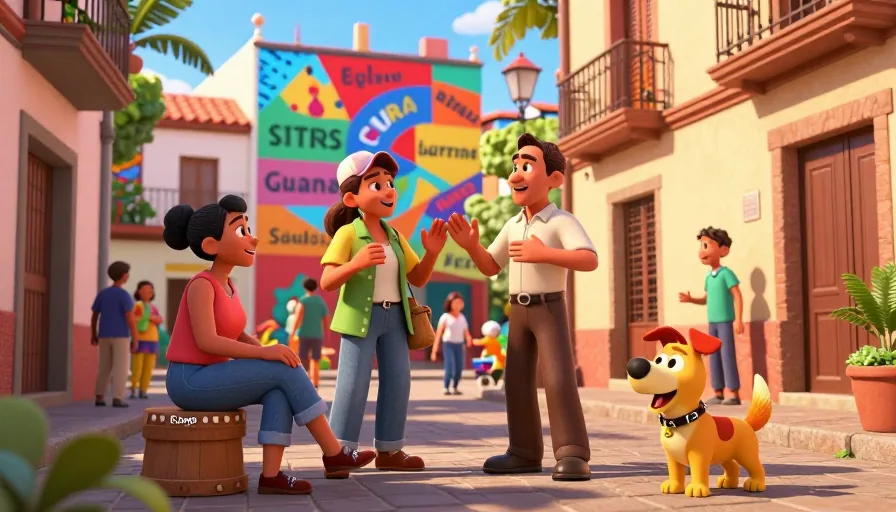
The term compe meaning can vary widely depending on the context and region. This exploration delves into the cultural and slang contexts of 'compé,' providing language learners with a comprehensive understanding of this ambiguous term.
What is 'Compé'? Dictionary Translations
To begin, let's look at the dictionary translations of 'compé.' In Spanish, 'compé' is often used as a slang term or nickname. According to various online dictionaries, 'compé' can translate to 'buddy' or 'friend' in English. However, this translation is quite general and doesn't capture the nuances of its usage in different regions.
Practical Example
- Spanish: ¡Hola, compé! ¿Cómo estás?
- English: Hey, buddy! How are you?
Decoding Slang: The Context of 'Compé' in Conversation
The forum thread on WordReference provides valuable insights into the slang usage of 'compé.' In Honduras and among Honduran communities in Boston, 'compé' is used as a nickname. This usage is not just about friendship but also carries a sense of familiarity and camaraderie.
Analysis of Forum Discussion
In the forum thread, a user mentions that their friend's father from Honduras is referred to as 'compé.' This suggests that 'compé' might be a term of endearment or a nickname given to someone who is well-liked and respected within the community. The ambiguity of 'compé' highlights the importance of understanding regional slang in language learning.
Mini Drill: Identifying Slang
-
Read the following sentences and identify the slang term:
- ¿Dónde está mi compé?
- ¿Vamos a jugar, compé?
- ¡Hola, compé! ¿Qué tal?
-
Translate the sentences into English, considering the context of 'compé' as a nickname or term of endearment.

Learn Languages with YouTube
Watch videos in your target language, auto-capture words into flashcards, and track your progress — all in one place.
See How It Works →How to Handle Regional Nicknames in Language Learning
Language learners often struggle with regional nicknames and slang terms. Here are some practical tips to help you decipher and use these terms correctly:
Checklist for Deciphering Regional Nicknames
- Contextual Clues: Pay attention to the context in which the nickname is used. Who is using it, and in what situation?
- Community Forums: Engage with community forums and language learning groups to get insights from native speakers.
- Multilingual Resources: Use multilingual resources that provide both dictionary definitions and contextual examples.
- Practice with Native Speakers: Practice using the nickname in conversations with native speakers to understand its nuances better.
- Cultural Immersion: Immerse yourself in the culture where the nickname is commonly used. Watch movies, read books, and listen to music from that region.
Practical Example
- Spanish: ¡Compé, vamos a la playa!
- English: Buddy, let's go to the beach!
Combining Dictionary Lookups with Community Context Analysis
To fully understand the compe meaning, it's essential to combine dictionary lookups with community context analysis. While dictionaries provide basic translations, community forums offer real-world usage and cultural context.
Example Analysis
- Dictionary Translation: 'Compé' means 'buddy' or 'friend.'
- Forum Context: 'Compé' is used as a nickname in Honduras and among Honduran communities, carrying a sense of familiarity and respect.
How Language Learners Can Decipher Regional Slang or Nicknames
Deciphering regional slang or nicknames can be challenging, but with the right approach, it's manageable. Here are some steps to help you:
Step-by-Step Guide
- Start with Basic Translations: Use dictionaries to get a basic understanding of the term.
- Explore Community Forums: Look for discussions and examples in community forums to understand the term's usage in different contexts.
- Engage with Native Speakers: Practice using the term in conversations with native speakers to get feedback and corrections.
- Immerse Yourself in the Culture: Watch movies, read books, and listen to music from the region to get a deeper understanding of the term's cultural significance.
- Keep a Language Journal: Document your findings and observations in a language journal to track your progress and understanding.
Practical Example
- Spanish: ¿Sabes qué significa 'compé' en Honduras?
- English: Do you know what 'compé' means in Honduras?
Conclusion
Understanding the compe meaning involves more than just looking up a dictionary definition. It requires a deep dive into the cultural and slang contexts of the term. By combining dictionary lookups with community context analysis and engaging with native speakers, language learners can gain a comprehensive understanding of 'compé' and other regional slang terms.
FAQ
Is 'compé' a common term in all Spanish-speaking countries?
No, 'compé' is more commonly used in specific regions like Honduras and among Honduran communities. Its usage and meaning can vary widely depending on the context and region.
How can I use 'compé' correctly in a conversation?
To use 'compé' correctly, pay attention to the context and the people you are conversing with. Engage with native speakers and community forums to understand its nuances and appropriate usage.
Are there other similar slang terms or nicknames in Spanish?
Yes, Spanish has many regional slang terms and nicknames. Examples include 'chavo' for 'buddy' in Mexico and 'pana' for 'friend' in Venezuela. Each term has its unique cultural context and usage.
Related phrases
Start with Metheus
Watch videos in your target language, auto-capture words into flashcards, and track your progress — all in one place.
Get Started →

