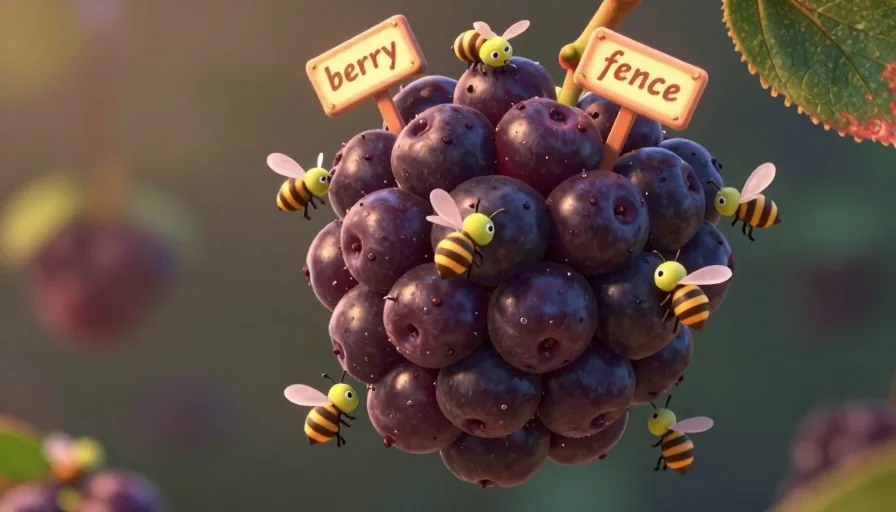
Baya Spanish is a term that often confuses learners due to its similarity to other Spanish words. This guide will clarify the distinct meanings and usage of 'baya' versus similar-sounding words like 'vaya' and 'valla'. By the end, you'll have a nuanced understanding of 'baya' and be able to use it confidently in conversation.
What is 'Baya' in Spanish? (Definitions and Context)
The term 'baya' in Spanish refers to a type of fruit, specifically a berry. It is a feminine noun and is often used in the context of describing various types of berries, such as blueberries, raspberries, and strawberries. In botanical contexts, 'baya' can also refer to a specific type of fruit that grows on certain plants.
Primary Meanings of 'Baya'
-
Fruit Type: 'Baya' generally refers to any small, fleshy fruit that grows on bushes or trees. Examples include:
- Mora (Blackberry): Las moras son bayas muy sabrosas.
- Fresa (Strawberry): Las fresas son bayas rojas y dulces.
- Frambuesa (Raspberry): Las frambuesas son bayas rojas y ácidas.
-
Specific Botanical Reference: In botanical terms, 'baya' can refer to a specific type of fruit that has a fleshy pulp surrounding a single seed or multiple seeds. For example, the fruit of the tomato plant is technically a 'baya'.
Contextual Usage Examples for 'Baya' in Common Spanish Phrases
- En un mortero, mezcla las bayas con el azúcar y el jugo de limón. (Using a mortar, combine the berries with the sugar and the lemon juice.)
- Ayer fui al valle a recolectar bayas con Amelia. (Yesterday, I went to the valley to pick berries with Amelia.)
- Las bayas son ricas en vitaminas y antioxidantes. (Berries are rich in vitamins and antioxidants.)

Learn Languages with YouTube
Watch videos in your target language, auto-capture words into flashcards, and track your progress — all in one place.
See How It Works →Baya vs. Vaya vs. Valla: Mastering the Homonyms
One of the most common challenges for Spanish learners is distinguishing between 'baya', 'vaya', and 'valla'. These words sound similar but have very different meanings and usages.
Baya vs. Vaya
- Baya: Refers to a type of fruit or berry.
- Vaya: Can mean 'go' in the imperative form or 'what a' in expressions of surprise. For example, '¡Vaya! ¿Qué ha pasado?' (What happened?)
Baya vs. Valla
- Baya: As mentioned, refers to a type of fruit.
- Valla: Refers to a fence or barrier. For example, 'La valla rodea el jardín.' (The fence surrounds the garden.)
Pronunciation Guidance for 'Baya'
- Baya: Pronounced as /ˈba.ʝa/ with stress on the first syllable.
- Vaya: Pronounced as /ˈba.ʝa/ with stress on the first syllable.
- Valla: Pronounced as /ˈba.ʎa/ with stress on the first syllable.
Checklist for Correct Usage
- Understand the Context: Always consider the context in which the word is used. If it's about fruit, it's likely 'baya'. If it's about surprise or movement, it's 'vaya'. If it's about a barrier, it's 'valla'.
- Pronunciation Practice: Practice the pronunciation of each word to ensure you can distinguish them in conversation.
- Example Sentences: Use example sentences to reinforce your understanding. For example, 'Las bayas son deliciosas' (The berries are delicious) vs. '¡Vaya! ¿Qué ha pasado?' (What happened?) vs. 'La valla rodea el jardín' (The fence surrounds the garden).
How to Use 'Baya' in Natural Spanish Conversation
Practical Examples
- At the Market: When shopping for fruits, you might say, 'Quiero comprar algunas bayas.' (I want to buy some berries.)
- Cooking: When following a recipe, you might say, 'Añade las bayas al batido.' (Add the berries to the smoothie.)
- Health Benefits: When discussing health, you might say, 'Las bayas son buenas para la salud.' (Berries are good for health.)
Mini Drills for Practice
-
Fill in the Blanks: Complete the following sentences with the correct word ('baya', 'vaya', 'valla'):
- ________, ¿qué ha pasado? (What happened?)
- La ________ rodea el jardín. (The fence surrounds the garden.)
- Quiero comprar algunas ________. (I want to buy some berries.)
-
Conversation Practice: Practice a short conversation with a friend or language partner using 'baya' in context.
Common Mistakes to Avoid
- Confusing 'Baya' with 'Vaya': Remember that 'vaya' is used in expressions of surprise or to mean 'go'.
- Confusing 'Baya' with 'Valla': Remember that 'valla' refers to a fence or barrier.
- Incorrect Pronunciation: Ensure you pronounce 'baya' correctly with the stress on the first syllable.
Conclusion
Understanding the distinct meanings and usage of 'baya' versus similar-sounding words like 'vaya' and 'valla' is crucial for building a nuanced vocabulary in Spanish. By following the guidelines and examples provided, you can confidently use 'baya' in various contexts and avoid common mistakes.
FAQ
What is the primary meaning of 'baya' in Spanish?
'Baya' primarily refers to a type of fruit, specifically a berry. It can also refer to a specific type of fruit in botanical contexts.
How do you pronounce 'baya' in Spanish?
'Baya' is pronounced as /ˈba.ʝa/ with stress on the first syllable.
What is the difference between 'baya' and 'vaya'?
'Baya' refers to a type of fruit, while 'vaya' can mean 'go' in the imperative form or 'what a' in expressions of surprise.
What is the difference between 'baya' and 'valla'?
'Baya' refers to a type of fruit, while 'valla' refers to a fence or barrier.
Related phrases
Start with Metheus
Watch videos in your target language, auto-capture words into flashcards, and track your progress — all in one place.
Get Started →

