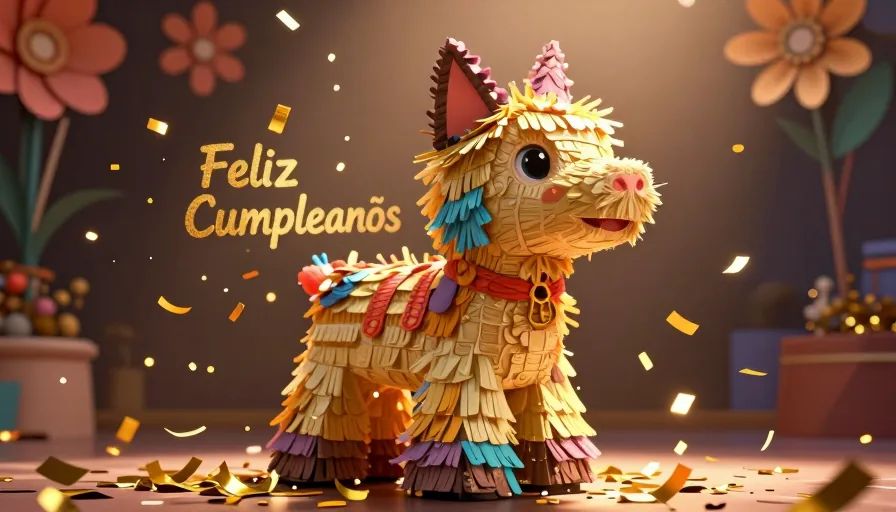
birthday wishes spanish: guía práctica y clara para dominar este tema en contexto real.
Mastering Birthday Wishes in Spanish: A Comprehensive Guide
Birthday wishes in Spanish are a wonderful way to connect with Spanish-speaking friends, family, and colleagues. Whether you're celebrating a birthday in Spain or Latin America, understanding the nuances of birthday wishes in Spanish can enhance your cultural experience and language skills. This guide will cover everything from basic greetings to cultural traditions and practical examples to help you master birthday wishes in Spanish.
The Essential Phrases: Saying 'Happy Birthday' in Spanish
The most basic way to say 'Happy Birthday' in Spanish is '¡Feliz cumpleaños!'. This phrase is universally understood and can be used in both formal and informal settings. However, there are variations and additional phrases that can make your greeting more personal and appropriate for different contexts.
Formal vs. Informal Greetings
- Formal: '¡Feliz cumpleaños!' is the standard formal greeting. You can also use 'Le deseo un feliz cumpleaños,' which translates to 'I wish you a happy birthday.'
- Informal: For friends and family, you can use '¡Feliz cumple!' or '¡Feliz cumpleaños!' with a more casual tone.
Practical Examples
- Formal: 'Le deseo un feliz cumpleaños y mucho éxito en el año que viene.' (I wish you a happy birthday and much success in the coming year.)
- Informal: '¡Feliz cumple, amigo! Espero que tengas un día increíble.' (Happy birthday, friend! I hope you have an incredible day.)
Cultural Deep Dive: Birthday Traditions Across Spanish-Speaking Regions
Birthday traditions vary widely across Spanish-speaking regions. Understanding these differences can help you tailor your birthday wishes appropriately.
Spain
In Spain, birthdays are often celebrated with family and close friends. Traditional celebrations include a special meal, cake, and sometimes a small gathering. The birthday person is typically the center of attention, and gifts are exchanged.
Latin America
In many Latin American countries, birthdays are grand affairs. The quinceañera, a celebration of a girl's 15th birthday, is a significant event. Other traditions include singing 'Las Mañanitas,' a traditional birthday song, and breaking piñatas.
Practical Examples
- Spain: '¡Feliz cumpleaños! Espero que disfrutes de una deliciosa comida y un día lleno de alegría.' (Happy birthday! I hope you enjoy a delicious meal and a day full of joy.)
- Latin America: '¡Feliz cumpleaños! Que tu día esté lleno de música, risas y muchos regalos.' (Happy birthday! May your day be filled with music, laughter, and lots of gifts.)

Learn Languages with YouTube
Watch videos in your target language, auto-capture words into flashcards, and track your progress — all in one place.
See How It Works →Curated Birthday Wishes: Messages for Every Occasion
For Friends
- '¡Feliz cumpleaños, amigo! Que todos tus sueños se hagan realidad.' (Happy birthday, friend! May all your dreams come true.)
- '¡Feliz cumpleaños! Espero que tengas un día tan increíble como tú.' (Happy birthday! I hope you have a day as incredible as you are.)
For Family
- '¡Feliz cumpleaños, mamá! Te quiero mucho y espero que tengas un día maravilloso.' (Happy birthday, mom! I love you very much and hope you have a wonderful day.)
- '¡Feliz cumpleaños, papá! Gracias por ser un ejemplo tan increíble.' (Happy birthday, dad! Thank you for being such an incredible example.)
For Colleagues
- '¡Feliz cumpleaños! Espero que tengas un día lleno de éxito y alegría.' (Happy birthday! I hope you have a day full of success and joy.)
- '¡Feliz cumpleaños! Que tu día esté lleno de logros y felicidad.' (Happy birthday! May your day be filled with achievements and happiness.)
Mini Drill: Create Your Own Wishes
Try creating your own birthday wishes for different scenarios. Use the following checklist to guide you:
- Choose the appropriate level of formality.
- Include a personal touch.
- Tailor the message to the recipient's interests or personality.
- Practice saying the wish aloud to ensure it sounds natural.
Mastering the Conversation: How to Respond to Birthday Wishes
Knowing how to respond to birthday wishes in Spanish is just as important as knowing how to give them. Here are some natural responses you can use:
- Formal: 'Muchas gracias por tus buenos deseos. Espero que tengas un día maravilloso también.' (Thank you very much for your kind wishes. I hope you have a wonderful day too.)
- Informal: '¡Gracias! Me alegra mucho que te acuerdes de mí.' (Thanks! I'm really glad you remembered me.)
Practical Examples
- Formal: 'Gracias por tu mensaje. Espero que tengas un día lleno de alegría.' (Thank you for your message. I hope you have a day full of joy.)
- Informal: '¡Gracias, amigo! Me encantó tu mensaje.' (Thanks, friend! I loved your message.)
Contextual Usage: When to Use Formal vs. Informal Greetings
Understanding when to use formal vs. informal greetings is crucial for effective communication. Here are some guidelines:
- Formal: Use formal greetings with colleagues, supervisors, and people you don't know well.
- Informal: Use informal greetings with friends, family, and people you are close to.
Practical Examples
- Formal: 'Le deseo un feliz cumpleaños y mucho éxito en el año que viene.' (I wish you a happy birthday and much success in the coming year.)
- Informal: '¡Feliz cumple, amigo! Espero que tengas un día increíble.' (Happy birthday, friend! I hope you have an incredible day.)
Checklist for Perfect Birthday Wishes
- Choose the appropriate level of formality.
- Include a personal touch.
- Tailor the message to the recipient's interests or personality.
- Practice saying the wish aloud to ensure it sounds natural.
- Consider cultural traditions and customs.
By following this checklist, you can ensure that your birthday wishes in Spanish are both meaningful and appropriate for the occasion.
Conclusion
Mastering birthday wishes in Spanish involves understanding the language, cultural context, and appropriate usage. With practice and attention to detail, you can create heartfelt and meaningful birthday wishes that will be appreciated by your Spanish-speaking friends, family, and colleagues. Happy learning!
FAQ
What are some common mistakes to avoid when wishing someone a happy birthday in Spanish?
Common mistakes include using the wrong level of formality, forgetting to personalize the message, and not considering cultural traditions. Always tailor your message to the recipient and the context.
How do birthday traditions differ between Spain and Latin America?
In Spain, birthdays are often more intimate with family and close friends, while in Latin America, they are grand affairs with traditions like the quinceañera, singing 'Las Mañanitas,' and breaking piñatas.
What are some natural responses to '¡Feliz cumpleaños!'?
Natural responses include 'Muchas gracias por tus buenos deseos. Espero que tengas un día maravilloso también.' (Thank you very much for your kind wishes. I hope you have a wonderful day too.) and '¡Gracias! Me alegra mucho que te acuerdes de mí.' (Thanks! I'm really glad you remembered me.)
Related phrases
Start with Metheus
Watch videos in your target language, auto-capture words into flashcards, and track your progress — all in one place.
Get Started →

