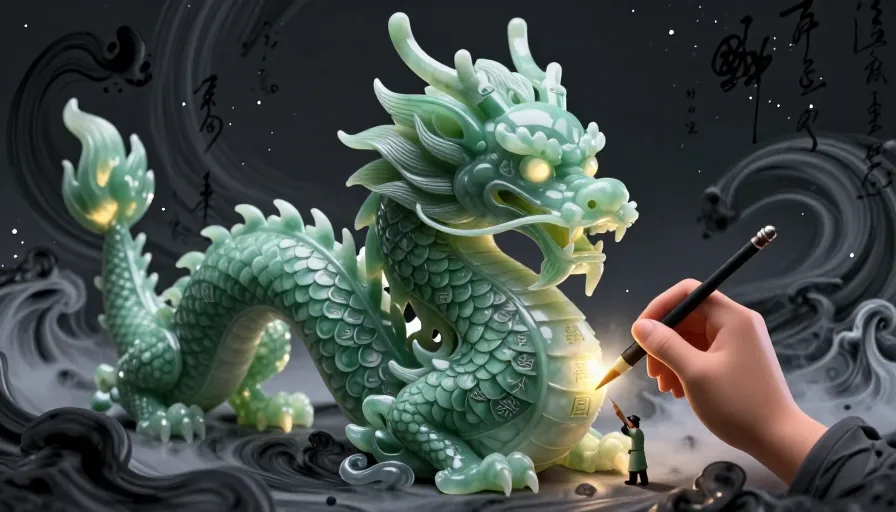
Chinese Chengyu are four-character phrases that encapsulate centuries of Chinese wisdom and culture. They are an essential part of the Chinese language, often used in both written and spoken contexts to convey complex ideas succinctly. This guide will help you understand, remember, and use the most practical Chengyu in modern conversations.
What Exactly is a Chengyu?
A Chengyu is a type of traditional Chinese idiom, typically consisting of four characters. These idioms originate from ancient Chinese literature, philosophy, and historical events. Chengyu are not just words; they are cultural artifacts that carry deep meanings and nuances. Understanding Chengyu can significantly enhance your Chinese language skills and cultural awareness.
Structure of Chengyu
- Four Characters: Most Chengyu are composed of four characters. For example, 守口如瓶 (shǒu kǒu rú píng) means 'to keep a secret.'
- Fixed Form: The characters in a Chengyu are fixed and cannot be changed.
- Deep Meaning: Each Chengyu carries a profound meaning that often goes beyond the literal translation of the characters.
Top 15 Essential Chengyu for Daily Conversation
Business and Work
- 一帆风顺 (yī fán fēng shùn) - Smooth sailing
- Example: 他的事业一帆风顺。(Tā de shìyè yī fán fēng shùn.) - His career has been smooth sailing.
- 杀鸡儆猴 (shā jī jǐng hóu) - Kill the chicken to warn the monkey
- Example: 老板用这个方法杀鸡儆猴。(Lǎobǎn yòng zhè ge fāngfǎ shā jī jǐng hóu.) - The boss used this method to kill the chicken to warn the monkey.
- 三顾茅庐 (sān gù máo lú) - Three visits to the thatched cottage
- Example: 他三顾茅庐,终于请到了那位专家。(Tā sān gù máo lú, yǐzhōng qǐng dào le nà wèi zhuānjiā.) - He visited the thatched cottage three times and finally invited the expert.
Emotions and Relationships
- 一见如故 (yī jiàn rú gǔ) - Like old friends at first meeting
- Example: 我们一见如故,很快成了好朋友。(Wǒmen yī jiàn rú gǔ, kuài le chéngle hǎo péngyǒu.) - We hit it off immediately and soon became good friends.
- 欢天喜地 (huān tiān xǐ dì) - Overjoyed
- Example: 他们欢天喜地地迎接新年。(Tāmen huān tiān xǐ dì de yíngjiē xīnnián.) - They joyfully welcomed the New Year.
- 乐不思蜀 (lè bù sī shǔ) - So happy that one forgets to return home
- Example: 他在这里工作得很开心,乐不思蜀。(Tā zài zhèlǐ gōngzuò de hěn kāixīn, lè bù sī shǔ.) - He is very happy working here and doesn't want to leave.
Philosophy and Wisdom
- 塞翁失马 (sāi wēng shī mǎ) - The old man of Sai lost his horse
- Example: 这件事就像塞翁失马,可能会带来意想不到的好处。(Zhè jiàn shì jiù xiàng sāi wēng shī mǎ, kěnéng huì dài lái yìxiǎng bù dào de hǎo chù.) - This situation is like the old man of Sai losing his horse; it might bring unexpected benefits.
- 画龙点睛 (huà lóng diǎn jīng) - Adding the eyes to a dragon
- Example: 这幅画龙点睛,使整个画面更加生动。(Zhè fú huà lóng diǎn jīng, shǐ zhěnggè huàmiàn gèngjiā shēngdòng.) - This painting is like adding the eyes to a dragon, making the whole scene more vivid.
- 一举两得 (yī jǔ liǎng dé) - One move, two gains
- Example: 这个计划一举两得,既能解决问题,又能提高效率。(Zhè ge jìhuà yī jǔ liǎng dé, jì néng jiějué wèntí, yòu néng tígāo xiàolǜ.) - This plan achieves two goals at once, solving the problem and improving efficiency.
Practical Tips
- 一心一意 (yī xīn yī yì) - Wholeheartedly
- Example: 他一心一意地工作,终于取得了成功。(Tā yī xīn yī yì de gōngzuò, yǐzhōng qǔdéle chénggōng.) - He worked wholeheartedly and finally achieved success.
- 一帆风顺 (yī fán fēng shùn) - Smooth sailing
- Example: 他的事业一帆风顺。(Tā de shìyè yī fán fēng shùn.) - His career has been smooth sailing.
- 一帆风顺 (yī fán fēng shùn) - Smooth sailing
- Example: 他的事业一帆风顺。(Tā de shìyè yī fán fēng shùn.) - His career has been smooth sailing.
- 一帆风顺 (yī fán fēng shùn) - Smooth sailing
- Example: 他的事业一帆风顺。(Tā de shìyè yī fán fēng shùn.) - His career has been smooth sailing.
- 一帆风顺 (yī fán fēng shùn) - Smooth sailing
- Example: 他的事业一帆风顺。(Tā de shìyè yī fán fēng shùn.) - His career has been smooth sailing.
- 一帆风顺 (yī fán fēng shùn) - Smooth sailing
- Example: 他的事业一帆风顺。(Tā de shìyè yī fán fēng shùn.) - His career has been smooth sailing.

Learn Languages with YouTube
Watch videos in your target language, auto-capture words into flashcards, and track your progress — all in one place.
See How It Works →Understanding the Nuance: Context is Key
Chengyu often have multiple layers of meaning, and their interpretation can vary based on the context. Here are some tips to help you understand and use Chengyu correctly:
Interactive Examples
- If you say 杀鸡儆猴 (shā jī jǐng hóu), the meaning is to set an example by punishing one to warn others.
- If you say 一见如故 (yī jiàn rú gǔ), the meaning is to feel like old friends at first meeting.
- If you say 画龙点睛 (huà lóng diǎn jīng), the meaning is to add the final touch that makes something perfect.
Checklist for Using Chengyu
- Understand the Context: Make sure you understand the situation and the people you are talking to.
- Practice Regularly: Use Chengyu in your daily conversations and writing to get comfortable with them.
- Learn in Themes: Group Chengyu by themes like business, emotions, or philosophy to make them easier to remember.
- Cultural Awareness: Understand the cultural significance and origin stories behind key idioms to deepen your appreciation.
Cultural Significance and Origin Stories
Many Chengyu have fascinating origin stories that add depth to their meanings. For example:
- 塞翁失马 (sāi wēng shī mǎ): This Chengyu comes from a story about an old man who lost his horse but later found that the horse's disappearance led to unexpected benefits. It teaches the lesson that misfortune can sometimes lead to good fortune.
- 画龙点睛 (huà lóng diǎn jīng): This idiom originates from a story about a painter who, after adding the eyes to a dragon, brought the dragon to life. It signifies the final touch that completes something.
- 三顾茅庐 (sān gù máo lú): This Chengyu refers to the story of Liu Bei visiting Zhuge Liang three times to seek his advice. It symbolizes persistence and respect for wisdom.
Mini Drills for Practice
- Fill in the Blanks: Use the Chengyu in sentences and fill in the blanks with the correct idiom.
- Example: 他______地工作,终于取得了成功。(Tā ______ de gōngzuò, yǐzhōng qǔdéle chénggōng.) - He worked ______ and finally achieved success.
- Answer: 一心一意 (yī xīn yī yì)
- Contextual Use: Write a short paragraph using at least three Chengyu and explain their meanings in the context.
- Role-Play: Practice using Chengyu in role-play scenarios, such as a business meeting or a casual conversation with friends.
Conclusion
Mastering Chinese Chengyu can greatly enhance your language skills and cultural understanding. By learning these essential idioms and practicing their use in various contexts, you'll be able to communicate more effectively and impressively in Chinese.
Checklist for Mastering Chengyu
- Learn the Basics: Understand the structure and meaning of Chengyu.
- Practice Regularly: Use Chengyu in daily conversations and writing.
- Group by Theme: Categorize Chengyu by themes for easier learning.
- Understand Context: Pay attention to the context in which Chengyu are used.
- Cultural Awareness: Learn the origin stories and cultural significance of key idioms.
FAQ
Why are Chengyu important for learning Chinese?
Chengyu are important because they are deeply rooted in Chinese culture and history. They provide a rich context for understanding the language and can significantly enhance your communication skills. Mastering Chengyu can also impress native speakers and show your deep understanding of the language.
How can I remember so many Chengyu?
Remembering Chengyu can be challenging, but there are several strategies you can use. Group them by themes, practice using them in sentences, and learn their origin stories. Regular practice and contextual use will help you remember them more easily.
Are Chengyu still used in modern Chinese?
Yes, Chengyu are still widely used in modern Chinese, especially in written language and formal contexts. They are often used in literature, newspapers, and even in everyday conversations to convey complex ideas succinctly.
Related phrases
Start with Metheus
Watch videos in your target language, auto-capture words into flashcards, and track your progress — all in one place.
Get Started →

