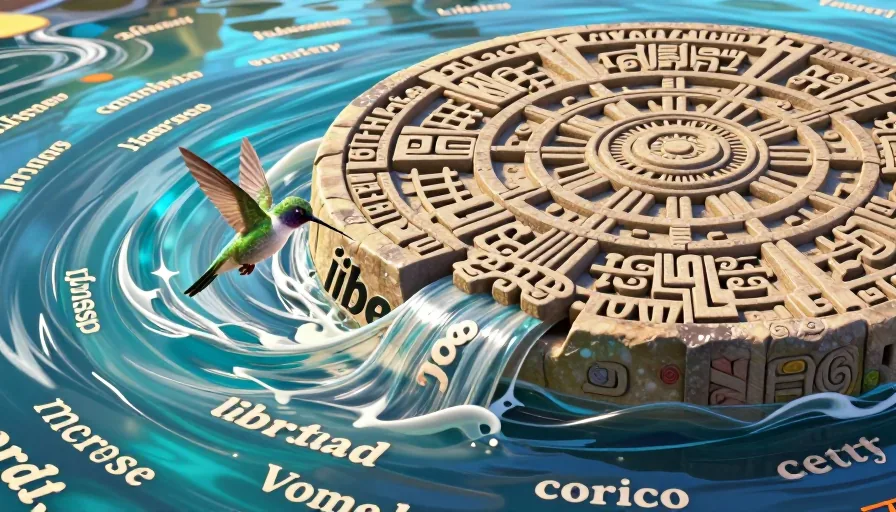
Cinco de Mayo, or the fifth of May, is a significant holiday that commemorates the Mexican army's victory over the French Empire at the Battle of Puebla in 1862. Understanding cinco de mayo terms is not just about learning a few words; it's about immersing yourself in the rich history and culture of Mexico. This guide will provide you with the essential vocabulary, historical context, and practical tips to enhance your Spanish language skills.
The History Behind Cinco de Mayo: Why It Matters
To truly appreciate Cinco de Mayo, it's crucial to understand its historical significance. The Battle of Puebla was a pivotal moment in Mexican history. On May 5, 1862, a poorly equipped and outnumbered Mexican army defeated the French forces, which were considered one of the most powerful armies in the world at the time. This victory boosted Mexican morale and unity, and it marked a turning point in the country's struggle for independence.
Key Historical Terms
- Batalla de Puebla: The Battle of Puebla
- Ejército Mexicano: Mexican Army
- Ejército Francés: French Army
- Independencia: Independence
- Unidad Nacional: National Unity
Essential Spanish Vocabulary for Cinco de Mayo Celebrations
Food and Drinks
Cinco de Mayo celebrations often involve traditional Mexican food and drinks. Here are some essential terms to help you navigate the fiesta:
- Tacos: Small tortillas filled with various ingredients
- Enchiladas: Tortillas rolled around a filling and covered with a chili pepper sauce
- Guacamole: A dip made from avocados, lime juice, and spices
- Salsa: A spicy sauce made from tomatoes, chili peppers, and spices
- Margarita: A cocktail made with tequila, lime juice, and triple sec
- Tequila: A distilled beverage made from the blue agave plant
Phrases for the Fiesta
Engage in conversations with these useful phrases:
- ¡Viva México!: Long live Mexico!
- ¡Feliz Cinco de Mayo!: Happy Cinco de Mayo!
- ¿Qué celebramos hoy?: What are we celebrating today?
- ¡Vamos a la fiesta!: Let's go to the party!
- ¿Qué hay de comer?: What's to eat?
- ¡Salud!: Cheers!

Learn Languages with YouTube
Watch videos in your target language, auto-capture words into flashcards, and track your progress — all in one place.
See How It Works →Putting It Into Practice: Phrases for Fiesta and Conversation
Mini Drill: Ordering Food
Imagine you're at a Mexican restaurant. Practice ordering food using the following dialogue:
- Waiter: ¿Qué le gustaría ordenar? (What would you like to order?)
- You: Me gustaría ordenar unos tacos y una margarita, por favor. (I would like to order some tacos and a margarita, please.)
- Waiter: ¿De qué tipo de tacos le gustaría? (What kind of tacos would you like?)
- You: Me gustaría probar los tacos al pastor. (I would like to try the tacos al pastor.)
Mini Drill: Talking About the History
Practice discussing the historical significance of Cinco de Mayo with a friend:
- Friend: ¿Qué significa Cinco de Mayo para ti? (What does Cinco de Mayo mean to you?)
- You: Cinco de Mayo es una celebración de la victoria del ejército mexicano sobre el ejército francés en la Batalla de Puebla. (Cinco de Mayo is a celebration of the Mexican army's victory over the French army in the Battle of Puebla.)
- Friend: ¿Por qué es importante esta victoria? (Why is this victory important?)
- You: Esta victoria fue crucial para la independencia y la unidad nacional de México. (This victory was crucial for Mexico's independence and national unity.)
Cultural Context: Linking Cinco de Mayo to Mexican Culture
Cinco de Mayo is more than just a historical event; it's a celebration of Mexican culture and heritage. In Mexico, the holiday is celebrated with parades, reenactments of the battle, and traditional dances. In the United States, it has evolved into a celebration of Mexican-American culture, with festivals, music, and food.
Checklist for a Cultural Experience
- Attend a local Cinco de Mayo festival: Immerse yourself in the festivities and enjoy traditional music and dance performances.
- Try traditional Mexican dishes: Sample a variety of dishes and learn about their origins and ingredients.
- Learn about Mexican history: Read books, watch documentaries, or visit museums to deepen your understanding of Mexico's rich history.
- Practice Spanish with native speakers: Engage in conversations with native Spanish speakers to improve your language skills and cultural understanding.
Tips for Using This Vocabulary in Real-Life Conversations
Common Mistakes to Avoid
- Overusing formal language: Cinco de Mayo celebrations are casual and festive, so use informal language and phrases.
- Ignoring cultural context: Understand the significance of the holiday and incorporate it into your conversations.
- Not practicing: Regularly practice the vocabulary and phrases to build confidence and fluency.
Practical Examples
- At a party: Use phrases like ¡Viva México! and ¡Feliz Cinco de Mayo! to join in the festivities.
- At a restaurant: Order food using phrases like Me gustaría ordenar unos tacos and ¿Qué hay de comer?.
- With friends: Discuss the history of Cinco de Mayo using phrases like Esta victoria fue crucial para la independencia y la unidad nacional de México.
By understanding and using these cinco de mayo terms, you'll not only enhance your Spanish language skills but also gain a deeper appreciation for Mexican culture and history.
FAQ
Why is Cinco de Mayo more widely celebrated in the United States than in Mexico?
Cinco de Mayo is more widely celebrated in the United States because it has evolved into a celebration of Mexican-American culture and heritage. In the U.S., it is often seen as a day to honor Mexican culture, food, and traditions, while in Mexico, it is primarily celebrated in the state of Puebla and a few other regions.
What are some common misconceptions about Cinco de Mayo?
One common misconception is that Cinco de Mayo is Mexico's Independence Day. In reality, Mexico's Independence Day is celebrated on September 16. Another misconception is that Cinco de Mayo is a day of mourning or remembrance, when it is actually a celebration of victory and unity.
How can I practice my Spanish skills during Cinco de Mayo celebrations?
You can practice your Spanish skills by engaging in conversations with native speakers, ordering food in Spanish at restaurants, and participating in cultural activities. Use the vocabulary and phrases provided in this guide to build confidence and fluency.
Related phrases
Start with Metheus
Watch videos in your target language, auto-capture words into flashcards, and track your progress — all in one place.
Get Started →

