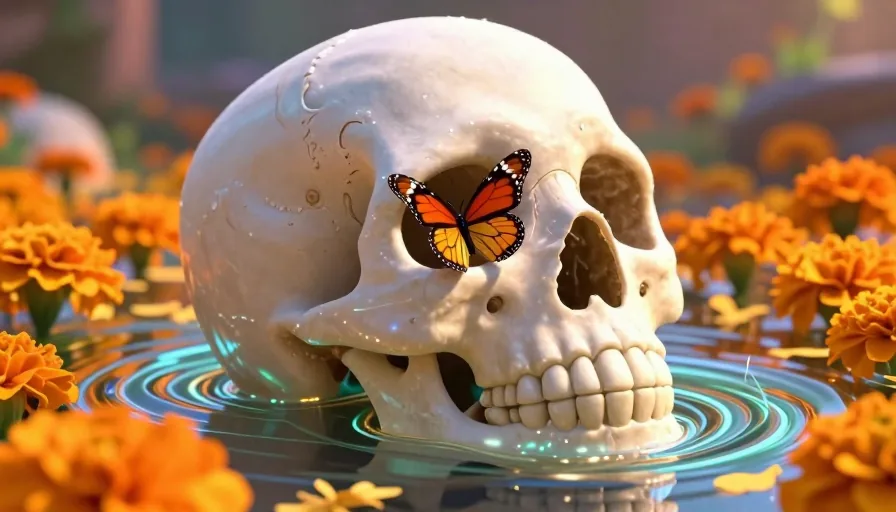
Day of the Dead, or Día de los Muertos, is a vibrant and meaningful celebration in Mexican culture. Learning the day of dead vocabulary is not just about acquiring new words; it's about understanding the rich cultural heritage and traditions that make this holiday unique. This guide will help you master the essential vocabulary, providing cultural context and practical phrases to enhance your language learning experience.
Understanding the Spirit: What is Day of the Dead?
Day of the Dead is a time when families honor and celebrate the lives of their departed loved ones. It is a blend of indigenous Mexican beliefs and Catholic influences, creating a unique and deeply meaningful tradition. The celebration spans two days: November 1st, dedicated to the souls of children (Día de los Inocentes or Día de los Angelitos), and November 2nd, for adults (Día de los Muertos).
Cultural Context and Importance
Understanding the cultural significance of Day of the Dead vocabulary is crucial. This holiday is not about mourning but about celebrating the lives of the departed. Families create altars (ofrendas) in their homes, decorate them with photos, favorite foods, and personal belongings of the deceased. They believe that the spirits return to the world of the living during this time to enjoy these offerings and be with their families.
Essential Vocabulary for Decorations and Altars
The altar is the centerpiece of Day of the Dead celebrations. Here are some key terms related to decorations and altars:
- Ofrenda: The altar itself, a sacred space where offerings are placed.
- Calavera: A sugar skull, often decorated with colorful icing and used as a symbol of the holiday.
- Cempasúchil: Marigolds, the vibrant orange flowers used to guide the spirits to the altars.
- Papel Picado: Colorful paper banners with intricate cut-out designs, often hung around the altar.
- Pan de Muerto: Bread of the Dead, a sweet bread often placed on the altar as an offering.
Mini Drill: Altars and Decorations
Try to describe an altar you've seen or imagine one. Use the vocabulary above to write a short paragraph in Spanish.
Words for Food and Drink on the Ofrenda
Food and drink play a crucial role in Day of the Dead celebrations. Families prepare favorite dishes and beverages of the deceased to enjoy together. Here are some essential terms:
- Atole: A warm, comforting drink made from corn flour, often flavored with chocolate, vanilla, or cinnamon.
- Tamales: Corn dough filled with meat, cheese, or vegetables, wrapped in corn husks or banana leaves, and steamed.
- Champurrado: A thick, chocolate-based drink, similar to hot chocolate but with a unique texture.
- Calabaza en Tacha: Candied pumpkin, a sweet treat often found on the ofrenda.
- Mole: A rich, complex sauce made with a variety of ingredients, often served with chicken or pork.
Practical Phrases for Food and Drink
- ¿Qué te gustaría comer? (What would you like to eat?)
- Este atole está delicioso. (This atole is delicious.)
- Voy a preparar tamales para la ofrenda. (I am going to prepare tamales for the ofrenda.)

Learn Languages with YouTube
Watch videos in your target language, auto-capture words into flashcards, and track your progress — all in one place.
See How It Works →Key Terms for Rituals and Celebrations
Day of the Dead is filled with rituals and celebrations that honor the departed. Here are some key terms:
- Procesión: A procession or parade, often held in cemeteries or through the streets.
- Velorio: A vigil held at the grave or altar, where family and friends gather to remember the deceased.
- Cempasúchil: Marigolds, the vibrant orange flowers used to guide the spirits to the altars.
- Cempasúchil: Marigolds, the vibrant orange flowers used to guide the spirits to the altars.
- Cempasúchil: Marigolds, the vibrant orange flowers used to guide the spirits to the altars.
Practical Phrases for Rituals and Celebrations
- Vamos a la procesión. (We are going to the procession.)
- Vamos a tener un velorio en el cementerio. (We are going to have a vigil at the cemetery.)
- Las flores de cempasúchil guían a los espíritus. (The marigolds guide the spirits.)
Common Expressions and Phrases
Learning common expressions and phrases will help you engage more deeply with the culture. Here are some useful phrases:
- ¡Viva la vida! (Long live life!)
- Descansa en paz. (Rest in peace.)
- Te recordamos con amor. (We remember you with love.)
- ¡Viva la muerte! (Long live death!)
- ¡Viva la vida! (Long live life!)
Mini Drill: Common Expressions
Practice using these expressions in sentences. For example, Te recordamos con amor, abuelita. (We remember you with love, grandmother.)
Checklist for Learning Day of the Dead Vocabulary
- Understand the cultural significance of each word and phrase.
- Practice pronunciation with native speakers or language learning apps.
- Use the vocabulary in context by describing altars, food, and rituals.
- Engage with the culture by watching videos, reading stories, and participating in celebrations if possible.
- Review and reinforce your learning regularly to build a strong vocabulary foundation.
Conclusion
Learning day of dead vocabulary is more than just memorizing words; it's about immersing yourself in the rich cultural tapestry of Mexican traditions. By understanding the significance of each term and practicing them in context, you'll gain a deeper appreciation for this beautiful celebration. Happy learning!
FAQ
Why is it important to learn Day of the Dead vocabulary?
Learning Day of the Dead vocabulary is important because it helps you understand and appreciate the cultural significance of the holiday. It allows you to engage more deeply with Mexican traditions and connect with the community on a more meaningful level.
How can I practice Day of the Dead vocabulary effectively?
To practice Day of the Dead vocabulary effectively, use it in context by describing altars, food, and rituals. Engage with the culture through videos, stories, and celebrations. Regularly review and reinforce your learning to build a strong vocabulary foundation.
What are some common mistakes to avoid when learning Day of the Dead vocabulary?
Avoid focusing solely on nouns and neglecting verbs and phrases. Ensure you understand the cultural context of each word to avoid misinterpretation. Practice pronunciation with native speakers to avoid common pronunciation errors.
Related phrases
Start with Metheus
Watch videos in your target language, auto-capture words into flashcards, and track your progress — all in one place.
Get Started →

