Idioms in music are a powerful tool for language learners. They provide a rich context for understanding figurative language and cultural nuances. By exploring how idioms function within song lyrics, you can deepen your comprehension and retention of these expressions. This guide will walk you through the definition of idioms, their role in music, and practical examples to help you master them.
What Exactly is an Idiom in Music?
An idiom is a phrase or expression that has a figurative, or non-literal, meaning. In music, idioms are often used in song lyrics to convey deeper emotions, stories, or cultural references. For example, the phrase "break a leg" in a song might not literally mean to injure someone but rather to wish good luck. Understanding these expressions can enhance your appreciation of the song's message and improve your language skills.
The Power of Music: Why Songs are the Best Way to Learn Idioms
Music has a unique ability to make learning more enjoyable and memorable. When you learn idioms through songs, you engage multiple senses, which can enhance retention. Here are some cognitive benefits:
- Memorability: Music creates a rhythmic and melodic structure that makes it easier to remember phrases and expressions.
- Contextual Understanding: Songs often tell stories or convey emotions, providing a rich context for understanding idioms.
- Cultural Insight: Music reflects cultural values and experiences, offering a deeper understanding of how idioms are used in different contexts.
Checklist for Learning Idioms Through Music
- Choose Songs You Enjoy: Select songs that you find engaging and enjoyable. This will make the learning process more fun and motivating.
- Listen Actively: Pay close attention to the lyrics and try to identify any idiomatic expressions.
- Look Up Meanings: If you come across an idiom you don't understand, look it up and write down its meaning.
- Practice Singing Along: Singing along with the song can help reinforce the idioms in your memory.
- Discuss with Others: Share your findings with friends or language exchange partners to deepen your understanding.
Top 10 Idioms You'll Hear in Pop and Rock Hits
Here are ten common idioms found in popular music, along with examples and explanations:
- "Break a Leg": Meaning to wish someone good luck, often used in the context of performing arts. Example: "Before the concert, the band members wished each other to break a leg."
- "Piece of Cake": Meaning something is very easy. Example: "Learning this idiom was a piece of cake."
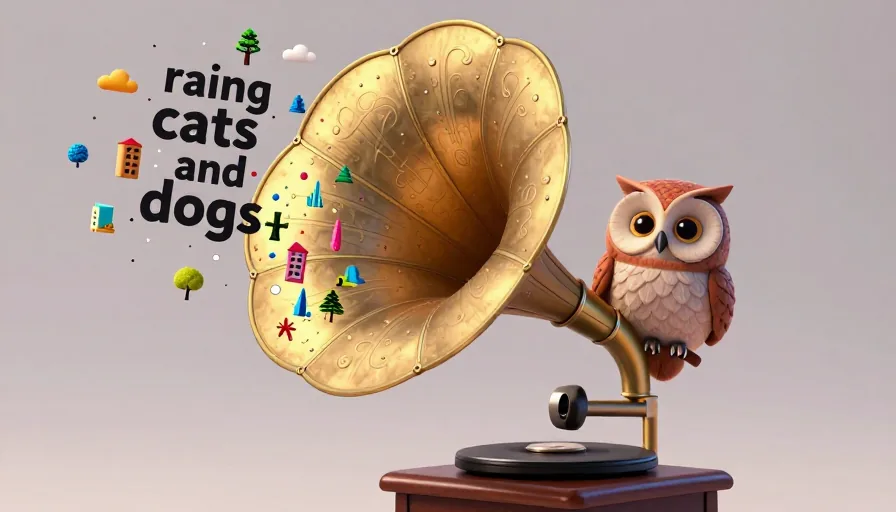
- "Raining Cats and Dogs": Meaning it is raining very heavily. Example: "The concert was canceled because it was raining cats and dogs."
- "Bite the Bullet": Meaning to accept a difficult situation. Example: "He had to bite the bullet and admit his mistake."
- "Costs an Arm and a Leg": Meaning something is very expensive. Example: "The concert tickets cost an arm and a leg."
- "Pull Yourself Together": Meaning to calm down and regain control. Example: "After the breakup, she had to pull herself together and move on."
- "Under the Weather": Meaning feeling unwell. Example: "He couldn't go to the concert because he was feeling under the weather."
- "Once in a Blue Moon": Meaning something that happens very rarely. Example: "I only get to see my favorite band once in a blue moon."
- "Break the Ice": Meaning to do or say something to reduce tension or awkwardness. Example: "The band started with a funny joke to break the ice with the audience."
- "Hit the Road": Meaning to leave or start a journey. Example: "After the concert, the band hit the road for their next tour."
Mini Drill: Identify the Idiom
Listen to the following song lyrics and identify the idiom used:
- "I've been feeling under the weather lately, but I'm trying to pull myself together."
- "The concert tickets cost an arm and a leg, but it was worth it."
- "Before the show, the band members wished each other to break a leg."
- "I only get to see my favorite band once in a blue moon."
- "The band started with a funny joke to break the ice with the audience."
How to Use Idioms in Your Own Lyrics
Creating your own lyrics with idioms can be a fun way to practice and reinforce your understanding. Here are some tips:
- Choose a Theme: Decide on a theme for your song, such as love, friendship, or travel.
- Select Idioms: Choose idioms that fit your theme and write them down.
- Write Lyrics: Incorporate the idioms into your lyrics in a way that makes sense and enhances the story.
- Practice Singing: Sing your lyrics to a melody and practice until you feel comfortable.
- Share with Others: Share your song with friends or language exchange partners and get feedback.
Common Mistakes to Avoid
When learning idioms through music, it's important to avoid common mistakes:
- Literal Interpretation: Don't take idioms literally. Remember that they have figurative meanings.
- Overuse: Avoid overusing idioms in your speech or writing. They should be used sparingly for maximum impact.
- Incorrect Context: Make sure you use idioms in the correct context. Some idioms are specific to certain situations or cultures.
- Mispronunciation: Pay attention to the pronunciation of idioms. Mispronouncing them can change their meaning or make them difficult to understand.
- Ignoring Cultural Nuances: Idioms often have cultural significance. Make sure you understand the cultural context to fully grasp their meaning.

Learn Languages with YouTube
Watch videos in your target language, auto-capture words into flashcards, and track your progress — all in one place.
See How It Works →Conclusion
Learning idioms through music is a fun and effective way to enhance your language skills. By understanding how idioms function within song lyrics, you can deepen your comprehension and retention of these expressions. Use the tips and examples provided in this guide to start your journey of learning idioms through music today.
Practical Examples
Example 1: "Let's Go Crazy" by Prince
The song title itself is an idiom, meaning to become very excited or enthusiastic. In the context of the song, it encourages listeners to let loose and enjoy the music.
Example 2: "Never Give You Up" by Raphael Sandiq
The phrase "give up" in the song title means to stop trying or to surrender. The song is about perseverance and not giving up on love.
Example 3: "Someone Like You" by Adele
The idiom "out of the blue" means something that happens unexpectedly. In the song, it refers to the unexpected return of a former lover.
Example 4: "Mixed Up World" by Sophie Ellis-Bextor
The phrase "mixed up" means confused or disorganized. The song explores the chaos and confusion of modern life.
Example 5: "Break the Ice" by Various Artists
The idiom "break the ice" means to do or say something to reduce tension or awkwardness. In the context of a song, it could refer to the first steps in a new relationship or friendship.
Interactive Elements
To enhance your learning experience, here are some interactive elements:
- Listen to the Songs: Click on the song titles to listen to the songs and pay attention to the lyrics.
- Sing Along: Sing along with the songs to reinforce the idioms in your memory.
- Discuss with Others: Share your findings with friends or language exchange partners and discuss the meanings of the idioms.
Additional Resources
For further learning, consider exploring these resources:
- Online Dictionaries: Use online dictionaries to look up the meanings of idioms.
- Language Learning Apps: Use language learning apps that focus on idioms and phrases.
- Music Playlists: Create playlists of songs that contain idioms and listen to them regularly.
Final Thoughts
Learning idioms through music is a powerful way to enhance your language skills. By understanding how idioms function within song lyrics, you can deepen your comprehension and retention of these expressions. Use the tips and examples provided in this guide to start your journey of learning idioms through music today.
FAQ
Why is learning idioms through music more effective than traditional methods?
Learning idioms through music engages multiple senses, making it more memorable and enjoyable. The contextual understanding provided by song lyrics helps in grasping the nuances of idiomatic expressions more effectively.
Can I learn idioms from any genre of music?
Yes, idioms can be found in various genres of music. However, pop and rock hits often contain more idioms due to their widespread appeal and lyrical content. Exploring different genres can provide a richer understanding of cultural contexts.
How can I practice using idioms in my own lyrics?
Start by choosing a theme for your song and selecting idioms that fit. Incorporate them into your lyrics in a way that enhances the story. Practice singing your lyrics and share them with others for feedback.
Related phrases
Start with Metheus
Watch videos in your target language, auto-capture words into flashcards, and track your progress — all in one place.
Get Started →

