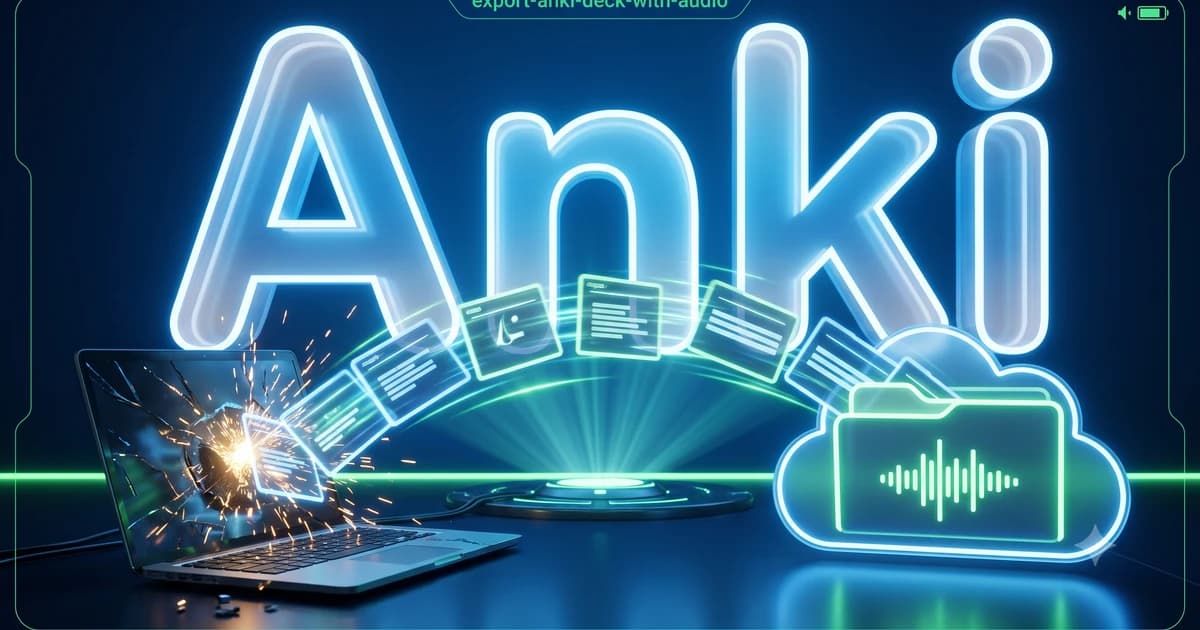
The scenario is painfully common: your deck works perfectly on your desktop, with audio clips and screenshots attached to every card. Then you sync to your phone and half the cards show a blank audio button or a broken image placeholder. You re-export, re-import, check the media folder, and still, somewhere between devices, files go missing. If you have ever asked yourself why your media files are missing on your mobile device or why sync keeps throwing errors, this guide is for you. We will explain how Anki handles media, how to export a deck that keeps every file, and how to fix the most common failures.
Why Anki Media Gets Left Behind
Anki stores your cards in collection files, but your audio and images live in a separate folder called collection.media. Cards reference media by filename—nothing more. When you export a .apkg, Anki only embeds media if you explicitly check the right option; when you sync through AnkiWeb, media sync is a separate operation from note sync and can silently fail, pause, or get interrupted. Add-ons that create cards (AnkiConnect, sentence mining tools, browser extensions) often reference files that were never copied into the media folder in the first place, so the card looks complete at creation and breaks when you change devices.
How to Export a Deck with All Media (Step by Step)
- Run Check Media first: in the desktop app, go to Tools > Check Media. This lists missing files and unused files, so you know what is broken before you export.
- Verify the filenames: open the collection.media folder (Tools > Open Media Folder) and confirm the files referenced by your cards actually exist. Watch out for filenames with accents or very long names—both are common breakage points.
- Export the deck: right-click the deck and choose Export, pick the .apkg format, and check Include media (in recent Anki versions, also decide on scheduling). If you leave media unchecked, you are exporting a deck with a hole in it.
- Check the file size: a deck with real audio is heavy. A suspiciously small .apkg almost always means media was left out.
- Import and verify on the target device: import the file and test a handful of cards immediately. If audio is missing, do not re-sync blindly—start from a fresh export.

Learn Languages with YouTube
Watch videos in your target language, auto-capture words into flashcards, and track your progress — all in one place.
Start Free →Fixing the Most Common Export and Sync Errors
| Symptom | Root Cause | Fix |
|---|---|---|
| Media files missing on mobile | .apkg exported without media, or AnkiWeb media sync interrupted | Re-export with Include media checked; run sync again on stable Wi-Fi |
| Audio works on PC but not on phone | Notes synced but media collection did not | Tools > Check Media, then force a full sync and wait for the media upload to finish |
| Random JSON / connection errors | AnkiConnect or add-ons crashing mid-write | Restart Anki, update add-ons, and re-export from a clean state |
| Broken names with odd characters | Non-ASCII or overlength filenames | Rename files to short ASCII names and re-create or re-link the cards |
| Huge or duplicated .apkg | Duplicate media inside the folder | Tools > Check Media and delete unused files before exporting |
Notice a pattern: most failures happen around media sync—the separate upload that moves audio and images to AnkiWeb and then to your other devices. It is also the part users understand least, which is why the same questions come back in every forum thread.
The Real Problem Is Manual Media Management
Even when you fix each error, the workflow itself is fragile. Every export requires you to babysit a folder, remember checkboxes, and trust a media sync that can stall on a bad connection. If you maintain thousands of cards across a desktop and a phone, media management becomes a recurring tax on your study time. This is exactly the experience behind the most repeated complaints in language-learning communities: media files missing on mobile devices, sync errors that happen frequently, and no tutorial covering the exact setup that breaks. The honest answer is that the fix is not better folder management—it is fewer folders.
Skip the Folders: Cloud-Synced Cards with Metheus
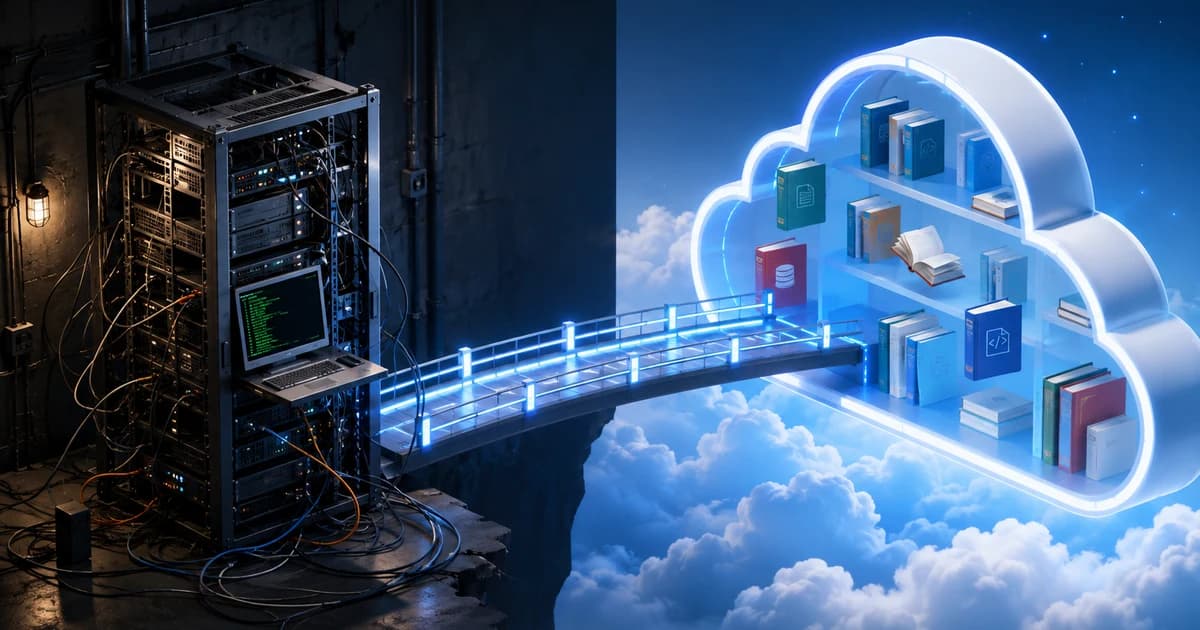
Metheus was built to make the export problem disappear. Cards, audio clips, screenshots, and progress live in Metheus cloud storage, synchronized automatically between the browser extension and the web app. Click a word in a Netflix or YouTube video, and the card—with sentence, native audio, and snapshot—exists on every device within seconds, with no .apkg files, no media folder, and no sync checkboxes. You get all the benefits of a well-built Anki workflow without the maintenance. If you still prefer Anki for review, your captured words export cleanly; the difference is that media is handled for you, not by you. And if card overload is what pushed you here, you may also want to read our guide on fixing Anki overload.
Start Free with Metheus and stop managing media folders forever.
FAQ
Why are my Anki audio files missing on my phone?
Usually the .apkg was exported without checking Include media, or the AnkiWeb media sync (a separate step from note sync) was interrupted. Re-export with media included and re-sync on a stable Wi-Fi connection.
How do I include audio and images in an .apkg file?
In the Export dialog, select the .apkg format and make sure Include media is checked. Verify the resulting file is large enough to contain the media—tiny files mean media was left behind.
Is there a way to avoid Anki media sync errors entirely?
Yes: use a system where media is not a separate concern. Metheus stores cards, audio, and screenshots in the cloud and syncs them automatically between extension and web app, so there are no local media folders to manage.
Related phrases
Language learning in 2026 isn't about finishing daily streaks. The fastest path to fluency combines three elements: comprehensible input from real media you enjoy, active vocabulary capture while consuming that content, and spaced repetition to lock words into long-term memory. Gamified apps build the habit. Immersion tools build the fluency. The most effective learners use both—in that order.
Start with Metheus
Watch videos in your target language, auto-capture words into flashcards, and track your progress — all in one place.
Get Started Free →