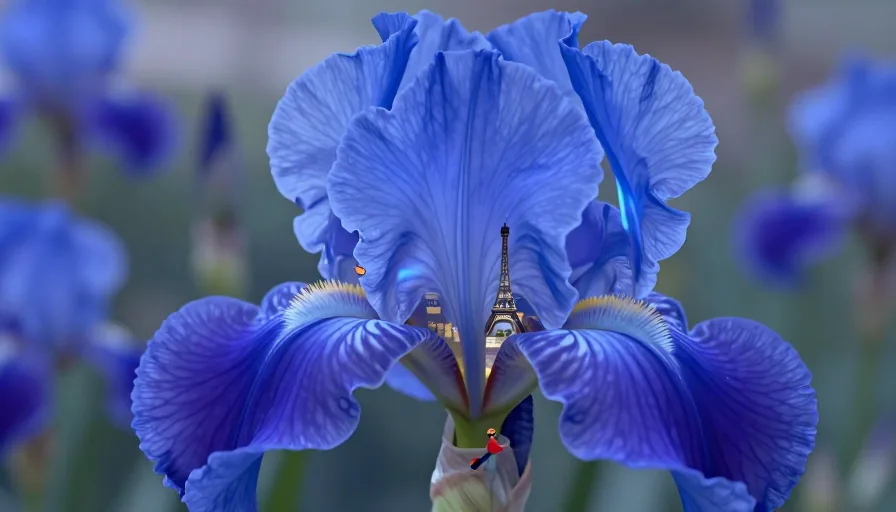
Learning French words for flowers can be both enjoyable and practical, especially for those who love gardening or appreciate the beauty of French landscapes. This guide provides a comprehensive list of French flower vocabulary, pronunciation guidance, and practical phrases to help you integrate these words into your conversations.
Essential French Flower Vocabulary: From Common Blooms to Rare Species
Start with the basics and gradually expand your vocabulary. Here are some common and rare French flower names:
| English | French | Pronunciation | Audio Link |
|---|---|---|---|
| Rose | Rose | /ʁoz/ | Listen |
| Lily | Lis | /li/ | Listen |
| Daisy | Marguerite | /maʁɡəʁit/ | Listen |
| Sunflower | Tournesol | /tuʁnəsɔl/ | Listen |
| Tulip | Tulipe | /tylip/ | Listen |
| Orchid | Orchidée | /ɔʁki.de/ | Listen |
| Lavender | Lavande | /lavãd/ | Listen |
| Daisy | Pâquerette | /pakʁɛt/ | Listen |
| Iris | Iris | /iʁis/ | Listen |
| Violet | Violette | /vjɔlɛt/ | Listen |
| Daisy | Œillet | /œjɛ/ | Listen |
| Daisy | Pâquerette | /pakʁɛt/ | Listen |
| Daisy | Pâquerette | /pakʁɛt/ | Listen |
Mastering Flower Terminology: Perennials, Annuals, and Botanical Terms
Understanding the difference between perennials and annuals is crucial for any gardener. Here are some key terms:
- Perennial: Plante vivace (e.g., rose, lavender)
- Annual: Plante annuelle (e.g., marigold, petunia)
- Biennial: Plante bisannuelle (e.g., foxglove, hollyhock)
- Bulb: Bulbe (e.g., tulip, daffodil)
- Seed: Graine (e.g., sunflower, marigold)
Mini Drill: Identify the Type of Flower
-
Identify whether the following flowers are perennials, annuals, or biennials:
- Rose
- Marigold
- Foxglove
- Tulip
- Petunia
-
Translate the following botanical terms into French:
- Bulb
- Seed
- Stem
- Leaf
- Root
Pronunciation Practice: Listen and Repeat French Flower Names
Pronunciation is key to sounding natural. Use the audio links provided to listen and repeat the French words for flowers. Here’s a checklist to help you practice:
- Listen to the audio recording.
- Repeat the word aloud.
- Record yourself and compare with the audio.
- Practice with a language partner or tutor.
Common Mistakes to Avoid
- Silent Letters: French has many silent letters, especially in words like 'marguerite' and 'œillet'.
- Nasal Sounds: Practice nasal sounds in words like 'lavande' and 'violet'.
- Liaison: Pay attention to liaison, where the final consonant of one word links to the initial vowel of the next word.

Learn Languages with YouTube
Watch videos in your target language, auto-capture words into flashcards, and track your progress — all in one place.
See How It Works →Practical Application: Talking About Flowers in a Garden
Use these phrases to describe flowers and gardening activities in French:
- J'aime les fleurs. (I love flowers.)
- Je veux planter des roses. (I want to plant roses.)
- Les tulipes sont belles. (The tulips are beautiful.)
- Je vais arroser les fleurs. (I am going to water the flowers.)
- Les marguerites sont des fleurs annuelles. (Daisies are annual flowers.)
- Les roses sont des fleurs vivaces. (Roses are perennial flowers.)
Checklist for Garden Conversations
- Describe your favorite flowers in French.
- Explain how to care for different types of flowers.
- Discuss the best time to plant various flowers.
- Practice asking and answering questions about gardening.
Seasonal Flowers: Categorizing by Season
Flowers bloom at different times of the year. Here’s a categorization by season:
- Spring: Tulip (Tulipe), Daffodil (Jonquille), Hyacinth (Jacinthe)
- Summer: Sunflower (Tournesol), Marigold (Œillet d'Inde), Petunia (Pétunia)
- Autumn: Chrysanthemum (Chrysanthème), Aster (Aster), Dahlia (Dahlia)
- Winter: Poinsettia (Étoile de Noël), Holly (Houx), Mistletoe (Gui)
Mini Drill: Seasonal Flower Identification
-
Identify the season for the following flowers:
- Tulip
- Sunflower
- Chrysanthemum
- Poinsettia
-
Translate the following seasonal terms into French:
- Spring
- Summer
- Autumn
- Winter
Interactive Practice: Flashcards and Quizzes
Use flashcards and quizzes to reinforce your learning. Here are some interactive elements to help you practice:
- Flashcards: Create flashcards with the English word on one side and the French word on the other.
- Quizzes: Take online quizzes to test your knowledge of French flower names and terms.
- Games: Play memory games or matching games with flower names and images.
Example Flashcard Set
- Rose - Rose
- Lily - Lis
- Daisy - Marguerite
- Sunflower - Tournesol
- Tulip - Tulipe
Example Quiz Questions
-
What is the French word for 'daisy'? a) Rose b) Lis c) Marguerite d) Tournesol
-
Which of the following is a perennial flower? a) Marigold b) Petunia c) Rose d) Tulip
By following this comprehensive guide, you'll be able to master French words for flowers and use them confidently in your conversations and gardening activities. Happy learning!
FAQ
How can I improve my pronunciation of French flower names?
Use the audio recordings provided in this guide to listen and repeat the French words for flowers. Practice regularly and consider recording yourself to compare with the audio. Additionally, working with a language partner or tutor can provide valuable feedback.
What is the difference between perennials and annuals in French?
In French, perennials are called 'plantes vivaces' and annuals are called 'plantes annuelles'. Perennials live for more than two years, while annuals complete their life cycle in one growing season.
How can I use French flower vocabulary in practical conversations?
You can use French flower vocabulary to describe your favorite flowers, discuss gardening activities, and talk about the best times to plant different flowers. Practice with phrases like 'J'aime les fleurs' (I love flowers) and 'Je vais arroser les fleurs' (I am going to water the flowers).
Related phrases
Start with Metheus
Watch videos in your target language, auto-capture words into flashcards, and track your progress — all in one place.
Get Started →

