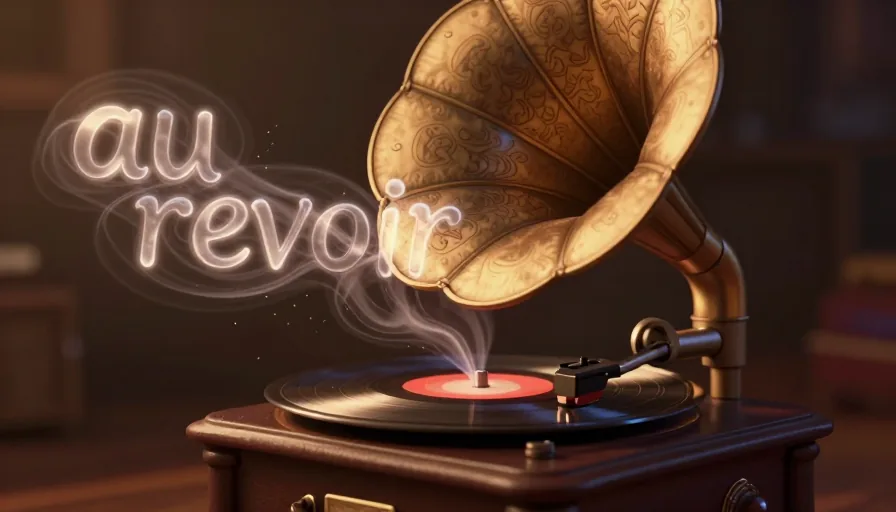
Learning the french word goodbye is a crucial step in mastering the French language. Whether you're a beginner or an intermediate learner, understanding the nuances of French farewells can significantly enhance your communication skills. This guide will walk you through essential phrases, contextual usage, and cultural insights to help you say goodbye like a native.
The Essential French Goodbye: Mastering 'Au Revoir' and Beyond
The most common french word goodbye is 'au revoir,' which literally translates to 'until we see each other again.' This phrase is versatile and can be used in both formal and informal settings. Here are some practical examples:
- Formal: Au revoir, Monsieur Dupont. (Goodbye, Mr. Dupont.)
- Informal: Au revoir, Marie. (Goodbye, Marie.)
Mini Drill: Practice 'Au Revoir'
Try saying 'au revoir' in different contexts:
- To a friend you'll see tomorrow.
- To a colleague after a meeting.
- To a stranger you met briefly.
Context Matters: When to Use Formal vs. Informal Farewells
In French, the level of formality in farewells can vary based on the relationship and context. Here are some key phrases to know:
- Formal: Au revoir (Goodbye), Bonsoir (Good evening), Bonne nuit (Good night)
- Informal: Salut (Bye), À plus (See you later), À bientôt (See you soon)
Checklist: Choosing the Right Farewell
- Formal Settings: Use 'au revoir' or 'bonsoir' when addressing someone you don't know well or in a professional setting.
- Informal Settings: Use 'salut' or 'à plus' with friends and family.
- End of the Day: Use 'bonne nuit' when saying goodbye at night.
Beyond the Basics: Common French Phrases for Saying Goodbye
Beyond 'au revoir,' there are several other phrases that can add depth to your farewells. Here are a few examples:
- Adieu: A more formal and final farewell, often used when you won't see the person again for a long time or ever.
- À bientôt: Literally 'see you soon,' this phrase is used when you expect to see the person again in the near future.
- À plus tard: Similar to 'à bientôt,' but slightly more casual.
- Bonne journée: Wishing someone a good day, often used in the morning or early afternoon.
Practical Examples:
- Adieu: Adieu, Madame. (Goodbye, Madame.)
- À bientôt: À bientôt, Jean. (See you soon, Jean.)
- À plus tard: À plus tard, Claire. (See you later, Claire.)
- Bonne journée: Bonne journée, Monsieur. (Have a good day, Sir.)

Learn Languages with YouTube
Watch videos in your target language, auto-capture words into flashcards, and track your progress — all in one place.
See How It Works →Cultural Insight: The Etiquette of Saying Goodbye in French Culture
In French culture, saying goodbye is more than just a phrase; it's a social ritual. Here are some cultural nuances to keep in mind:
- Greetings and Farewells: French people often greet each other with a handshake or a kiss on both cheeks (la bise). The same applies to farewells.
- Politeness: Always use 's'il vous plaît' (please) and 'merci' (thank you) when appropriate.
- Formality: In professional settings, maintain a level of formality until invited to do otherwise.
Common Mistakes to Avoid:
- Over-Formality: Avoid using overly formal phrases with friends and family.
- Under-Formality: Don't use informal phrases in professional settings.
- Mispronunciation: Practice pronunciation to avoid sounding rude or disrespectful.
Tips for Practicing Spoken French Farewells
Practicing spoken French farewells can be challenging, but with the right approach, you can master them. Here are some tips:
- Listen and Repeat: Listen to native speakers and repeat the phrases aloud.
- Role-Play: Practice with a friend or language partner, role-playing different scenarios.
- Record Yourself: Record your practice sessions and listen back to identify areas for improvement.
Checklist for Effective Practice:
- Daily Practice: Spend a few minutes each day practicing different farewells.
- Contextual Practice: Practice in different contexts to understand when to use each phrase.
- Feedback: Get feedback from native speakers or language tutors.
Common Conversational Phrases That Accompany a Goodbye
In addition to the main farewell phrases, there are several conversational phrases that can accompany a goodbye. These phrases can make your farewells more natural and engaging. Here are some examples:
- Prenez soin de vous: Take care of yourself.
- À la prochaine: Until next time.
- Passez une bonne journée: Have a good day.
- À demain: See you tomorrow.
Practical Examples:
- Prenez soin de vous: Prenez soin de vous, Marie. (Take care, Marie.)
- À la prochaine: À la prochaine, Jean. (Until next time, Jean.)
- Passez une bonne journée: Passez une bonne journée, Monsieur. (Have a good day, Sir.)
- À demain: À demain, Claire. (See you tomorrow, Claire.)
By mastering these phrases and understanding the cultural context, you'll be well on your way to saying goodbye in French like a native. Happy learning!
FAQ
What is the difference between 'au revoir' and 'adieu'?
'Au revoir' is a casual and common way to say goodbye, often used in both formal and informal settings. 'Adieu,' on the other hand, is a more formal and final farewell, often used when you won't see the person again for a long time or ever.
Can I use 'salut' in a professional setting?
No, 'salut' is an informal phrase and should be reserved for friends and family. In a professional setting, it's best to use 'au revoir' or 'bonsoir.'
How do I know when to use 'à bientôt' vs. 'à plus tard'?
'À bientôt' is used when you expect to see the person again in the near future, while 'à plus tard' is slightly more casual and can be used when you expect to see the person again later in the day or week.
Related phrases
Start with Metheus
Watch videos in your target language, auto-capture words into flashcards, and track your progress — all in one place.
Get Started →

