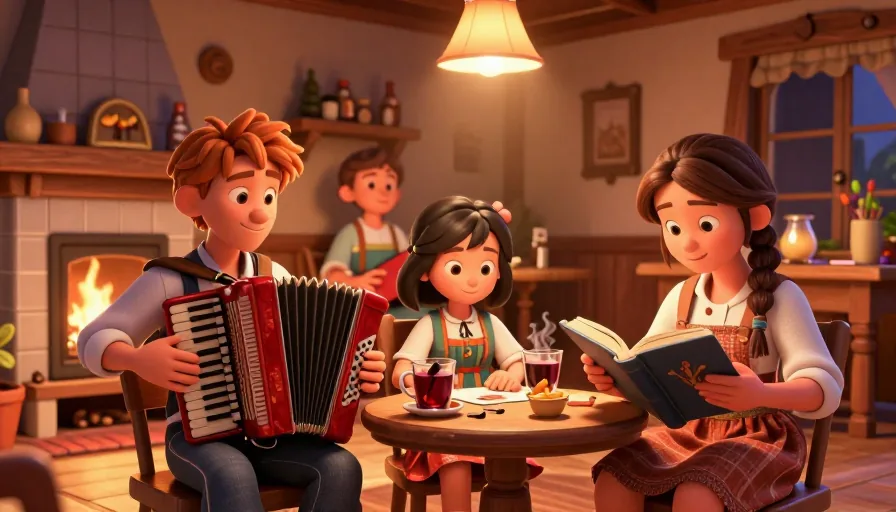
Learning to discuss your hobbies in German is a fantastic way to improve your language skills and connect with German-speaking communities. This guide will help you master hobbies deutsch, providing essential vocabulary, grammatical structures, and cultural insights to enhance your conversations.
Essential German Vocabulary for Hobbies
To start, let's build a strong foundation of vocabulary related to common hobbies. Here are some essential words and phrases:
Sports and Outdoor Activities
| English | German | Pronunciation |
|---|---|---|
| to play football | Fußball spielen | fooß-ball shpee-len |
| to go hiking | wandern | vahn-dern |
| to swim | schwimmen | shvim-en |
| to cycle | Rad fahren | raht fah-ren |
Creative Hobbies
| English | German | Pronunciation | | to paint | malen | mah-len | | to draw | zeichnen | tsy-knen | | to play music | Musik machen | moo-zik mah-ken | | to write | schreiben | shray-ben |
Indoor and Relaxation Hobbies
| English | German | Pronunciation | | to read | lesen | lay-zen | | to cook | kochen | koh-ken | | to knit | stricken | shtrick-en | | to watch TV | fernsehen | fern-zay-en |
Mini Drill: Fill in the Blanks
Try filling in the blanks with the correct German words from the tables above:
-
Ich möchte gerne
-
Mein Freund liebt es,
-
Wir gehen oft
-
Sie spielt gerne
Checklist: Building Your Vocabulary
- Learn the vocabulary for your favorite hobbies.
- Practice pronunciation using language learning apps.
- Create flashcards for quick review.
- Try using new words in sentences.
How to Talk About Your Hobbies in German (Grammar Focus)
When discussing hobbies, certain grammatical structures are commonly used. Let's explore some key points:
Using 'spielen', 'lesen', 'machen'
- spielen: Used for games and sports (e.g., Fußball spielen - to play football).
- lesen: Used for reading (e.g., ein Buch lesen - to read a book).
- machen: Used for activities that involve doing something (e.g., Musik machen - to make music).
Example Sentences
- Ich spiele gerne Tennis. (I like to play tennis.)
- Er liest jeden Tag ein Buch. (He reads a book every day.)
- Wir machen oft Musik zusammen. (We often make music together.)
Common Mistakes to Avoid
- Mistake: Using 'spielen' for all activities (e.g., *Ich spiele Fußball und lese ein Buch).
- Correction: Use the correct verb for the activity (e.g., Ich spiele Fußball und lese ein Buch).

Learn Languages with YouTube
Watch videos in your target language, auto-capture words into flashcards, and track your progress — all in one place.
See How It Works →Cultural Insights: Hobbies in German Culture
Understanding how hobbies are discussed in German-speaking contexts can enrich your language learning experience. Here are some cultural tips:
Popular Hobbies in Germany
- Football (Fußball): Extremely popular, with many clubs and leagues.
- Hiking (Wandern): A favorite outdoor activity, especially in the Alps.
- Beer Brewing (Bier brauen): A traditional and social hobby.
How to Talk About Hobbies in Social Settings
- Small Talk: Germans often discuss hobbies in casual conversations. Be ready to share yours.
- Cultural Events: Participate in local events related to your hobbies to immerse yourself in the culture.
Interactive Quiz: Match the Hobby to the Culture
-
Fußball a) Popular in urban areas b) Popular in rural areas c) Popular nationwide
-
Wandern a) Popular in urban areas b) Popular in rural areas c) Popular in coastal areas
-
Bier brauen a) Popular in urban areas b) Popular in rural areas c) Popular in coastal areas
Practical Usage Examples for A1/A2 Learners
A1 Level
- Ich spiele Fußball. (I play football.)
- Ich lese ein Buch. (I read a book.)
- Ich mache Musik. (I make music.)
A2 Level
- Ich spiele gerne Fußball mit meinen Freunden. (I like to play football with my friends.)
- Ich lese jeden Tag ein Buch. (I read a book every day.)
- Ich mache oft Musik mit meiner Familie. (I often make music with my family.)
Checklist: Practicing Your Skills
- Practice basic sentences with a language exchange partner.
- Join a German language club or meetup.
- Watch German TV shows or movies related to your hobbies.
- Write short paragraphs about your hobbies in German.
Advanced Tips and Resources
Interactive Exercises
- Sentence Building: Create sentences using the vocabulary and grammar structures you've learned.
- Role-Playing: Practice conversations about hobbies with a friend or tutor.
Recommended Resources
- Language Learning Apps: Use apps like Duolingo or Babbel for vocabulary practice.
- German Language Courses: Enroll in online courses for structured learning.
- German Media: Watch German TV shows, movies, and listen to podcasts related to hobbies.
Conclusion
Mastering hobbies deutsch involves building a strong vocabulary, understanding key grammatical structures, and gaining cultural insights. With practice and immersion, you'll be able to confidently discuss your interests in German. Start with the essential vocabulary, practice your grammar, and engage with German culture to enhance your language skills.
FAQ
How can I remember German vocabulary for hobbies?
To remember German vocabulary for hobbies, use flashcards, practice pronunciation, and try to use new words in sentences. Engaging with German media and participating in language exchange programs can also help reinforce your memory.
What are some common grammatical mistakes to avoid when talking about hobbies in German?
Common mistakes include using 'spielen' for all activities instead of the correct verb (e.g., 'lesen' for reading, 'machen' for making music). Practice with example sentences and avoid these pitfalls to improve your grammar.
How can I practice my German hobbies vocabulary in real-life situations?
Practice with a language exchange partner, join German language clubs, watch German TV shows or movies related to your hobbies, and write short paragraphs about your hobbies in German. Immersion and practice are key to improving your skills.
Related phrases
Start with Metheus
Watch videos in your target language, auto-capture words into flashcards, and track your progress — all in one place.
Get Started →

