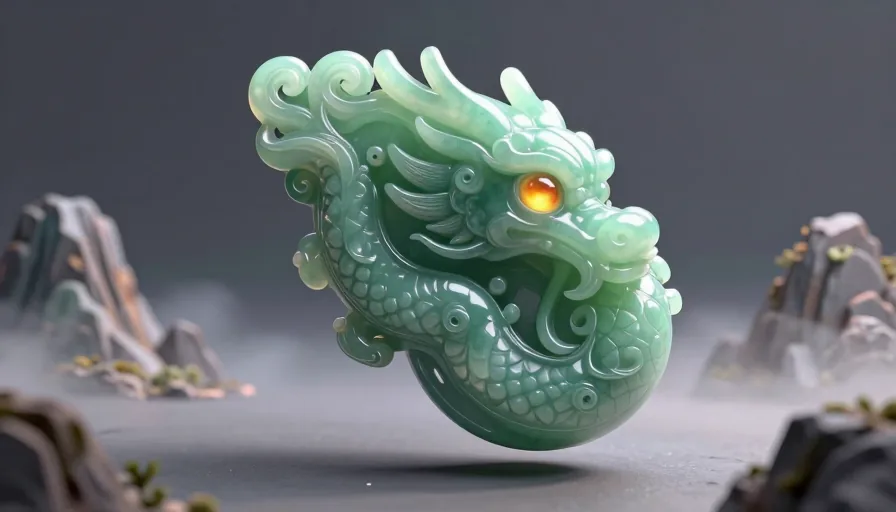
Good Luck in Mandarin: Mastering Essential Phrases and Cultural Nuances
Learning to say good luck in Mandarin is a valuable skill for anyone interested in Chinese culture or language. Whether you're preparing for an exam, a job interview, or just want to wish someone well, knowing the right phrases can make a significant difference. This guide will walk you through the most common ways to express good luck, provide pronunciation tips, and offer cultural insights to help you communicate effectively.
The Most Common Ways to Say 'Good Luck' in Mandarin
There are several ways to say 'good luck' in Mandarin, each with its own nuances and appropriate contexts. Here are some of the most common phrases:
- 祝你好运 (Zhù nǐ hǎo yùn) - This is a straightforward way to wish someone good luck. It literally translates to 'Wish you good luck.'
- 加油 (Jiā yóu) - This phrase means 'Add oil' and is used to encourage someone to keep going and do their best. It's often used in sports and competitive situations.
- 祝你成功 (Zhù nǐ chénggōng) - This phrase means 'Wish you success' and is used to express hope for someone's success in a particular endeavor.
- 祝你一切顺利 (Zhù nǐ yīqiè shùnlì) - This phrase means 'Wish you all goes smoothly' and is used to express hope for someone's overall success and smooth progress.
- 祝你马到成功 (Zhù nǐ mǎ dào chénggōng) - This idiomatic phrase means 'Wish you success as soon as you start' and is used to express hope for immediate and effortless success.
Understanding the Nuances: Cultural Context Behind Good Wishes
In Chinese culture, wishing someone good luck is more than just a casual phrase. It's a way to show support, encouragement, and goodwill. Understanding the cultural context behind these phrases can help you use them more effectively. For example, 加油 (Jiā yóu) is often used in competitive situations because it conveys a sense of urgency and encouragement to keep pushing forward. On the other hand, 祝你一切顺利 (Zhù nǐ yīqiè shùnlì) is more general and can be used in a variety of situations to express hope for overall success and smooth progress.
Pronunciation Practice: Mastering the Tones for Smooth Delivery
Pronunciation is key to effective communication in Mandarin. Here's a breakdown of the tones and pronunciation for the phrases mentioned above:
| Phrase | Pinyin | Tones | Pronunciation Guide |
|---|---|---|---|
| 祝你好运 | Zhù nǐ hǎo yùn | 3-3-3-2 | Zhù (falling-rising) nǐ (rising) hǎo (falling-rising) yùn (falling) |
| 加油 | Jiā yóu | 1-2 | Jiā (high level) yóu (rising) |
| 祝你成功 | Zhù nǐ chénggōng | 3-3-2-1 | Zhù (falling-rising) nǐ (rising) chéng (falling) gōng (high level) |
| 祝你一切顺利 | Zhù nǐ yīqiè shùnlì | 3-3-1-1-2-2 | Zhù (falling-rising) nǐ (rising) yī (high level) qiè (high level) shùn (rising) lì (rising) |
| 祝你马到成功 | Zhù nǐ mǎ dào chénggōng | 3-3-3-1-2-1 | Zhù (falling-rising) nǐ (rising) mǎ (falling-rising) dào (falling) chéng (falling) gōng (high level) |
Mini Drill: Practice the Phrases
- Listen to the audio examples provided below and repeat each phrase aloud.
- Record yourself saying the phrases and compare your pronunciation with the audio examples.
- Practice the phrases in different contexts to get a feel for their nuances and appropriate usage.
When to Use Which Phrase: Contextual Scenarios
Choosing the right phrase depends on the context and the relationship between you and the person you're wishing good luck to. Here are some guidelines:
- Formal vs. Informal: Use 祝你好运 (Zhù nǐ hǎo yùn) or 祝你成功 (Zhù nǐ chénggōng) in formal situations, such as job interviews or important exams. Use 加油 (Jiā yóu) in informal or competitive situations, such as sports or casual competitions.
- General vs. Specific: Use 祝你一切顺利 (Zhù nǐ yīqiè shùnlì) for general good wishes. Use 祝你马到成功 (Zhù nǐ mǎ dào chénggōng) for specific, immediate success.
- Relationship: Use more formal phrases with strangers or people in positions of authority. Use informal phrases with friends, family, or peers.

Learn Languages with YouTube
Watch videos in your target language, auto-capture words into flashcards, and track your progress — all in one place.
See How It Works →Common Related Phrases for Wishing Success
In addition to the phrases mentioned above, here are some related phrases that you can use to wish someone success:
- 祝你前程似锦 (Zhù nǐ qiánchéng sì jǐn) - Wish you a bright future ahead.
- 祝你事事如意 (Zhù nǐ shìshì rúyì) - Wish you everything goes as you wish.
- 祝你万事如意 (Zhù nǐ wànshì rúyì) - Wish you everything goes as you wish.
- 祝你学业有成 (Zhù nǐ xuéyè yǒu chéng) - Wish you success in your studies.
- 祝你工作顺利 (Zhù nǐ gōngzuò shùnlì) - Wish you smooth progress in your work.
Checklist for Effective Communication
- Understand the Context: Know the situation and the relationship before choosing a phrase.
- Practice Pronunciation: Master the tones and pronunciation to ensure clear communication.
- Be Genuine: Show genuine support and goodwill when wishing someone good luck.
- Use Appropriate Phrases: Choose the right phrase for the right situation to avoid misunderstandings.
- Learn Related Phrases: Expand your vocabulary to express a wider range of good wishes.
Cultural Deep-Dive: Beyond Simple Translation
Wishing someone good luck in Mandarin goes beyond just the literal translation. It's about understanding the cultural nuances and the underlying sentiments. For example, the phrase 加油 (Jiā yóu) is often used in sports and competitive situations because it conveys a sense of urgency and encouragement to keep pushing forward. On the other hand, 祝你一切顺利 (Zhù nǐ yīqiè shùnlì) is more general and can be used in a variety of situations to express hope for overall success and smooth progress.
In Chinese culture, good wishes are often accompanied by gestures or actions that show support and encouragement. For example, giving a small gift or offering help can reinforce the good wishes expressed through words. Understanding these cultural nuances can help you communicate more effectively and build stronger relationships.
Comparison Chart: Formal vs. Informal Ways to Express Good Wishes
| Formal Phrases | Informal Phrases |
|---|---|
| 祝你好运 (Zhù nǐ hǎo yùn) | 加油 (Jiā yóu) |
| 祝你成功 (Zhù nǐ chénggōng) | 祝你马到成功 (Zhù nǐ mǎ dào chénggōng) |
| 祝你一切顺利 (Zhù nǐ yīqiè shùnlì) | 祝你前程似锦 (Zhù nǐ qiánchéng sì jǐn) |
By understanding the differences between formal and informal phrases, you can choose the right words for the right situation and communicate more effectively.
Conclusion
Mastering the art of wishing someone good luck in Mandarin involves more than just learning the phrases. It's about understanding the cultural context, mastering the pronunciation, and choosing the right words for the right situation. With practice and attention to detail, you can express your good wishes with confidence and build stronger relationships with Mandarin speakers.
Interactive Audio/Video Examples
To help you master the pronunciation and tones, we've provided interactive audio and video examples. Listen to the native speakers and practice along with them to improve your pronunciation and delivery.
Additional Resources
- Mandarin Pronunciation Guide: Learn more about Mandarin tones and pronunciation.
- Chinese Culture Guide: Deepen your understanding of Chinese culture and customs.
- Language Learning Tips: Get practical tips and strategies for learning Mandarin effectively.
By following this comprehensive guide, you'll be well on your way to mastering the art of wishing someone good luck in Mandarin. Happy learning!
FAQ
Is it appropriate to use '加油' (Jiā yóu) in a formal setting?
While '加油' (Jiā yóu) is a common phrase for encouragement, it is generally more informal and often used in competitive or casual situations. For formal settings, phrases like '祝你好运' (Zhù nǐ hǎo yùn) or '祝你成功' (Zhù nǐ chénggōng) are more appropriate.
How important is pronunciation when wishing someone good luck in Mandarin?
Pronunciation is crucial in Mandarin because the language is tonal. Incorrect tones can change the meaning of a word or phrase, leading to misunderstandings. Make sure to practice the tones and pronunciation to ensure clear and effective communication.
Can I use the same phrase for wishing good luck in different contexts?
While some phrases can be used in various contexts, it's important to choose the right phrase based on the situation and the relationship. For example, '祝你好运' (Zhù nǐ hǎo yùn) is suitable for formal settings, while '加油' (Jiā yóu) is more appropriate for informal or competitive situations.
Related phrases
Start with Metheus
Watch videos in your target language, auto-capture words into flashcards, and track your progress — all in one place.
Get Started →

