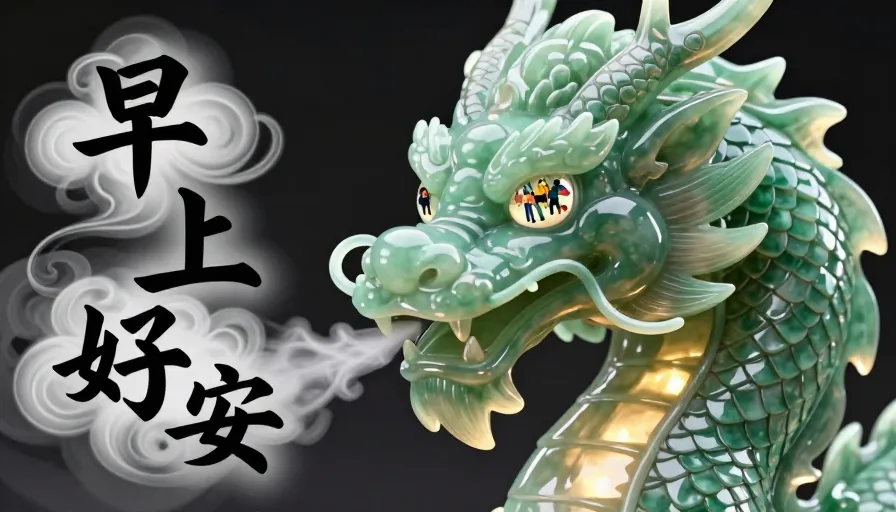
Good Morning in Chinese: Mastering the Three Most Common Greetings
Learning to say 'good morning in Chinese' is a fundamental step in mastering the language. In this guide, we'll explore the three primary ways to say 'good morning' in Chinese: 早上好 (zǎo shàng hǎo), 早 (zǎo), and 早安 (zǎo ān). Each of these greetings has its own context and usage, and understanding these nuances will help you communicate more effectively in Chinese.
Understanding the Nuances: 早上好 (zǎo shàng hǎo)
The phrase 早上好 (zǎo shàng hǎo) is the most formal and widely used way to say 'good morning' in Chinese. It literally translates to 'morning good,' and it is appropriate for both formal and informal settings. This greeting is versatile and can be used with friends, family, colleagues, and even strangers.
Pinyin and Character Breakdown
- Pinyin: zǎo shàng hǎo
- Characters: 早上好
- Literal Translation: Morning good
When to Use 早上好
- Formal Settings: Meetings, business interactions, and formal events.
- Informal Settings: Casual conversations with friends and family.
- Any Time of Morning: From early morning until around noon.
Examples
- Formal: 早上好,李老师。(Zǎo shàng hǎo, Lǐ lǎoshī.) Good morning, Teacher Li.
- Informal: 早上好,小明。(Zǎo shàng hǎo, Xiǎo Míng.) Good morning, Xiaoming.
Casual Greetings: 早 (zǎo)
The greeting 早 (zǎo) is more casual and is often used among friends, family, and close acquaintances. It is a shortened version of 早上好 and is commonly used in informal settings. This greeting is less formal and more relaxed, making it perfect for everyday interactions.
Pinyin and Character Breakdown
- Pinyin: zǎo
- Characters: 早
- Literal Translation: Early
When to Use 早
- Informal Settings: With friends, family, and close acquaintances.
- Casual Conversations: When you want to keep the tone light and friendly.
- Any Time of Morning: From early morning until around noon.
Examples
- With Friends: 早啊,小李。(Zǎo a, Xiǎo Lǐ.) Morning, Xiao Li.
- With Family: 早,妈妈。(Zǎo, māma.) Morning, Mom.

Learn Languages with YouTube
Watch videos in your target language, auto-capture words into flashcards, and track your progress — all in one place.
See How It Works →Formal/Polite Greetings: 早安 (zǎo ān)
The phrase 早安 (zǎo ān) is a more polite and formal way to say 'good morning.' It is often used in professional settings or when addressing someone with respect. This greeting is less common in everyday conversations but is appreciated in formal contexts.
Pinyin and Character Breakdown
- Pinyin: zǎo ān
- Characters: 早安
- Literal Translation: Morning peace
When to Use 早安
- Formal Settings: Business meetings, professional interactions, and formal events.
- Respectful Contexts: When addressing elders, superiors, or someone you want to show respect to.
- Early Morning: Typically used from early morning until around 10 AM.
Examples
- Business Meeting: 早安,张经理。(Zǎo ān, Zhāng jīnglǐ.) Good morning, Manager Zhang.
- Respectful Greeting: 早安,老师。(Zǎo ān, lǎoshī.) Good morning, Teacher.
Contextual Differences: Formal vs. Casual
Understanding when to use each greeting is crucial for effective communication. Here's a quick checklist to help you decide:
Checklist for Choosing the Right Greeting
- Formal Settings: Use 早上好 or 早安.
- Informal Settings: Use 早上好 or 早.
- Respectful Contexts: Use 早安.
- Casual Conversations: Use 早.
- Early Morning: Any of the three greetings can be used, but 早安 is more appropriate for formal settings.
Mini Drill: Practice Scenarios
- At a Business Meeting: You would say 早上好 or 早安.
- With a Close Friend: You would say 早.
- With a Teacher: You would say 早上好 or 早安.
- With a Family Member: You would say 早 or 早上好.
- At a Formal Event: You would say 早上好 or 早安.
Cultural Context for Using These Greetings in Chinese Culture
In Chinese culture, greetings are an essential part of daily interactions. They reflect the respect and courtesy that are highly valued in Chinese society. Using the correct greeting not only shows your linguistic proficiency but also your understanding and respect for Chinese culture.
Cultural Tips
- Respect for Elders: Always use a more formal greeting like 早安 when addressing elders or superiors.
- Formal Occasions: In professional or formal settings, 早上好 and 早安 are the go-to greetings.
- Casual Interactions: Among friends and family, 早 is a friendly and relaxed way to start a conversation.
Common Mistakes to Avoid
- Overusing Informal Greetings: Avoid using 早 in formal settings as it can be seen as disrespectful.
- Ignoring Context: Always consider the context and the relationship before choosing a greeting.
- Incorrect Pronunciation: Make sure to pronounce the greetings correctly to avoid misunderstandings.
Cultural Drill: Role-Playing Scenarios
- At a Business Meeting: Practice saying 早上好 or 早安 with a colleague.
- With a Close Friend: Practice saying 早 in a casual conversation.
- With a Teacher: Practice saying 早上好 or 早安 respectfully.
- With a Family Member: Practice saying 早 or 早上好 in a relaxed setting.
- At a Formal Event: Practice saying 早上好 or 早安 with a stranger.
Conclusion
Mastering the nuances of saying 'good morning in Chinese' is a key step in your language learning journey. By understanding the differences between 早上好, 早, and 早安, you can communicate more effectively and respectfully in various contexts. Practice these greetings regularly and pay attention to the cultural nuances to enhance your language skills.
Final Checklist
- Formal Settings: 早上好, 早安
- Informal Settings: 早上好, 早
- Respectful Contexts: 早安
- Casual Conversations: 早
- Early Morning: 早上好, 早安, 早
By following this guide, you'll be well on your way to mastering the art of saying 'good morning in Chinese.'
FAQ
Is it okay to use 早 in a formal setting?
No, using 早 in a formal setting can be seen as disrespectful. It's better to use 早上好 or 早安 in formal contexts.
Can I use 早上好 at any time of the day?
While 早上好 is versatile, it is typically used from early morning until around noon. After that, it's more appropriate to use other greetings like 下午好 (xià wǔ hǎo) for 'good afternoon.'
Is 早安 more polite than 早上好?
Yes, 早安 is generally considered more polite and formal than 早上好. It is often used in professional settings or when addressing someone with respect.
Related phrases
Start with Metheus
Watch videos in your target language, auto-capture words into flashcards, and track your progress — all in one place.
Get Started →

