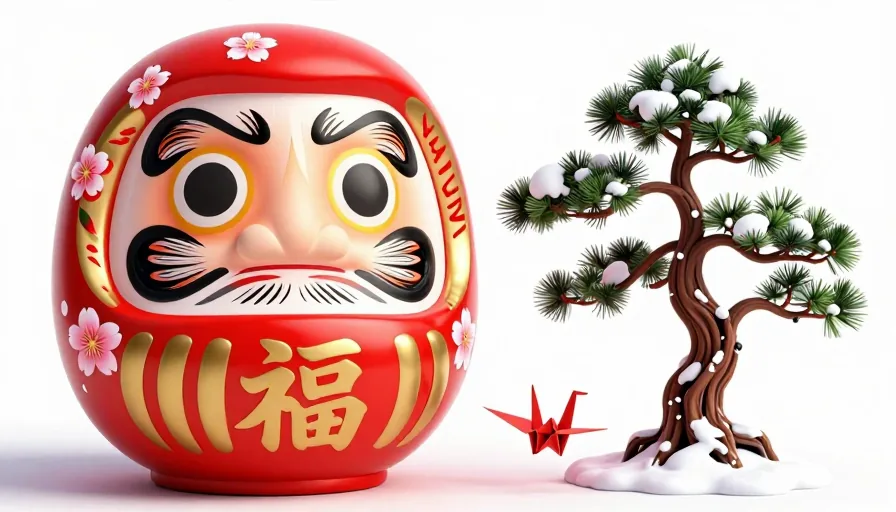
The New Year is a time of renewal and celebration, and knowing how to say 'Happy New Year' in Japanese can enrich your cultural experience. This guide will cover the essential phrases, pronunciation, and cultural context to help you navigate New Year greetings with confidence.
The Essential Japanese Phrases for the New Year
The primary Japanese phrase for New Year greetings is O-shōgatsu (お正月), which refers to the New Year holiday period. However, there are specific greetings for different times of the year.
Pre-New Year Greetings
Before the New Year arrives, you can use the phrase Yoi otoshi o (良いお年を), which literally means 'Have a good year.' This phrase is used from December 1st until December 31st.
Post-New Year Greetings
After the New Year begins, the most common greeting is Shinnen omedetō gozaimasu (新年おめでとうございます), which means 'Congratulations on the New Year.' This phrase is used from January 1st onwards. A more casual version is Akemashite omedetō gozaimasu (明けましておめでとうございます), which also means 'Congratulations on the New Year.'
Pronunciation Guide
- Yoi otoshi o: /yo-i o-to-shi o/ (良いお年を)
- Shinnen omedetō gozaimasu: /shin-nen o-me-de-to go-zai-ma-su/ (新年おめでとうございます)
- Akemashite omedetō gozaimasu: /a-ke-ma-shi-te o-me-de-to go-zai-ma-su/ (明けましておめでとうございます)
Understanding the Nuances: Formal vs. Casual Greetings
Japanese greetings can vary in formality depending on the context. Here’s a comparison chart to help you understand the differences:
| Formal Greeting | Casual Greeting | When to Use | Pronunciation |
|---|---|---|---|
| Shinnen omedetō gozaimasu | Akemashite omedetō | Post-New Year | /shin-nen o-me-de-to go-zai-ma-su/ |
Practical Examples
-
Formal Context: When greeting a superior or someone you respect, use Shinnen omedetō gozaimasu. For example, at a New Year's party with colleagues, you might say:
- Boss: Kon'nichi wa, Tanaka-san. Shinnen omedetō gozaimasu.
- Tanaka: Arigatō gozaimasu, Yamada-san. Shinnen omedetō gozaimasu.
-
Casual Context: When greeting friends or family, use Akemashite omedetō. For example, at a family gathering, you might say:
- Friend: Akemashite omedetō!
- You: Akemashite omedetō! O-genki desu ka? (How are you?)

Learn Languages with YouTube
Watch videos in your target language, auto-capture words into flashcards, and track your progress — all in one place.
See How It Works →Cultural Context: When to Use These Greetings
Understanding the cultural context is crucial for using these greetings appropriately. In Japan, the New Year is a time for visiting family, exchanging gifts, and enjoying traditional foods like mochi and osechi-ryōri.
Pre-New Year
During the pre-New Year period, people often visit shrines and temples to pray for a good year ahead. This is a time for reflection and preparation. Greetings like Yoi otoshi o are used to wish others a prosperous year.
Post-New Year
After the New Year begins, people visit friends and family to exchange greetings and gifts. This is a time for celebration and renewal. Greetings like Shinnen omedetō gozaimasu and Akemashite omedetō are used to congratulate others on the new beginning.
Mini Drill: Practice Your Greetings
- Imagine you are at a New Year's party with your colleagues. What greeting would you use?
- You are visiting a friend's house on January 2nd. What greeting would you use?
- You are at a shrine on December 30th, praying for a good year. What greeting would you use?
Checklist for New Year Greetings
- Learn the pronunciation of Yoi otoshi o, Shinnen omedetō gozaimasu, and Akemashite omedetō.
- Understand the difference between formal and casual greetings.
- Know when to use each greeting based on the time of year.
- Practice your greetings with friends or family.
- Enjoy the cultural traditions of the New Year in Japan.
Common Mistakes to Avoid
- Mistake 1: Using Shinnen omedetō gozaimasu before January 1st. This greeting is only used after the New Year has begun.
- Mistake 2: Using Akemashite omedetō in a formal setting. This greeting is more casual and should be reserved for friends and family.
- Mistake 3: Forgetting to bow slightly when greeting someone. This is a common courtesy in Japan.
Conclusion
Mastering the art of saying 'Happy New Year' in Japanese involves understanding the nuances of the language and the cultural context. By following this guide, you'll be able to greet others appropriately and enrich your cultural experience. Happy New Year in Japanese!
FAQ
Can I use 'Shinnen omedetō gozaimasu' before January 1st?
No, 'Shinnen omedetō gozaimasu' is only used after the New Year has begun. Before January 1st, use 'Yoi otoshi o' to wish someone a good year.
Is 'Akemashite omedetō' appropriate for formal settings?
No, 'Akemashite omedetō' is more casual and should be reserved for friends and family. In formal settings, use 'Shinnen omedetō gozaimasu'.
What is the cultural significance of New Year greetings in Japan?
New Year greetings in Japan are a way to express good wishes and congratulations for the new year. They are often exchanged during visits to family and friends, and are an important part of the cultural traditions surrounding the New Year.
Related phrases
Start with Metheus
Watch videos in your target language, auto-capture words into flashcards, and track your progress — all in one place.
Get Started →

