Learning how to say birthday in Spanish is essential for anyone looking to communicate effectively in Spanish-speaking cultures. Whether you're planning a celebration or simply want to wish someone a happy birthday, this guide will help you master the vocabulary and phrases you need.
The Essential Translation: Birthday in Spanish
The direct translation for 'birthday' in Spanish is cumpleaños. This word is used in various contexts, from formal to informal settings. Understanding how to use 'cumpleaños' correctly is the first step in mastering birthday-related vocabulary.
Pronunciation Tips
- Cumpleaños: Pronounced as /kumˈpleaɲos/.
- Break it down: cum (like 'come') + ple (like 'play') + a (like 'ah') + ños (like 'nyos').
- Listen to the audio example here.
How to Use 'Cumpleaños' in Conversation
Basic Sentences
- ¿Cuándo es tu cumpleaños? (When is your birthday?)
- Response: Mi cumpleaños es el 15 de octubre. (My birthday is on October 15th.)
- Feliz cumpleaños (Happy birthday)
- Response: ¡Gracias! (Thank you!)
- ¿Qué vas a hacer en tu cumpleaños? (What are you going to do for your birthday?)
- Response: Voy a celebrar con mis amigos. (I am going to celebrate with my friends.)
Common Mistakes to Avoid
- Mistake: Using 'cumpleaños' as an adjective (e.g., 'cumpleaños party').
- Correct Usage: Use 'cumpleaños' as a noun (e.g., 'fiesta de cumpleaños').
- Mistake: Confusing 'cumpleaños' with 'aniversario' (anniversary).
- Correct Usage: 'Aniversario' is used for wedding anniversaries or other significant dates, not birthdays.

Learn Languages with YouTube
Watch videos in your target language, auto-capture words into flashcards, and track your progress — all in one place.
See How It Works →Common Birthday Phrases and Greetings
Greetings
- ¡Feliz cumpleaños! (Happy birthday!)
- Que cumplas muchos más (May you have many more)
- Te deseo un feliz cumpleaños (I wish you a happy birthday)
- ¡Que la pases bien en tu cumpleaños! (Have a great time on your birthday!)
Regional Variations
- Mexico: '¡Feliz cumpleaños!' is commonly used, but you might also hear '¡Que la pases chido!' (Have a great time!)
- Spain: '¡Feliz cumpleaños!' is standard, but '¡Que cumplas muchos más!' is also popular.
- Argentina: '¡Feliz cumpleaños!' is used, but '¡Que la pases bárbaro!' (Have a great time!) is also common.
How to Celebrate Birthdays in Spanish-Speaking Cultures
Cultural Context
Birthdays are celebrated with great enthusiasm in Spanish-speaking countries. Here are some common traditions:
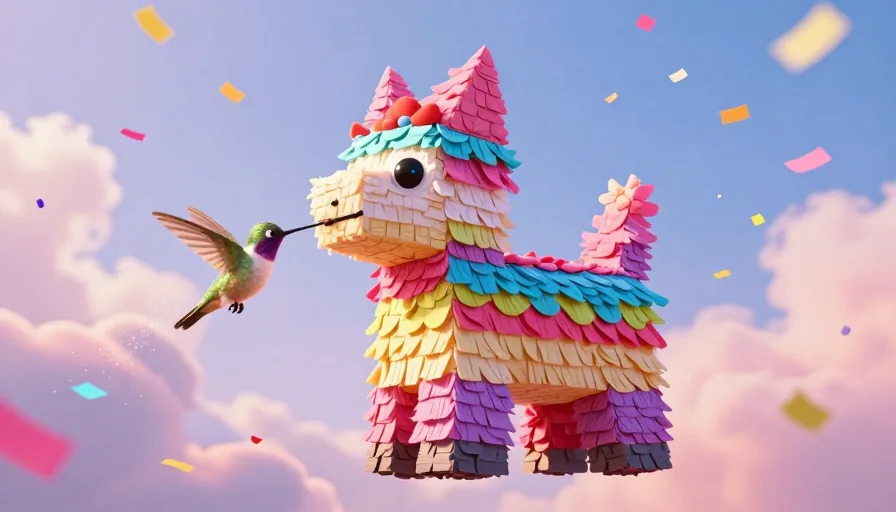
- Piñatas: Often used in children's birthday parties, piñatas are colorful containers filled with candy and small toys.
- Cakes and Candles: Similar to many cultures, birthday cakes with candles are a staple. The birthday person makes a wish and blows out the candles.
- Serenatas: In some Latin American countries, it's common to have a serenata, where a group of friends or family members sing to the birthday person.
Checklist for a Spanish Birthday Celebration
- Prepare a list of guests and send invitations (e.g., '¡Estás invitado a mi cumpleaños!').
- Decorate the party area with balloons, streamers, and a 'Feliz Cumpleaños' banner.
- Order or bake a birthday cake with the birthday person's name on it.
- Plan games and activities (e.g., piñata, musical chairs).
- Prepare a playlist of favorite songs and birthday tunes.
Mini Drill: Practice Your Birthday Vocabulary
- Translate the following sentences into Spanish:
- When is your birthday?
- I am going to celebrate my birthday with my family.
- Happy birthday to you!
- What are you going to do for your birthday?
- Answer the following questions in Spanish:
- What is the Spanish word for 'birthday'?
- How do you say 'Happy birthday' in Spanish?
- What is a common birthday tradition in Spanish-speaking countries?
Conclusion
Learning how to say birthday in Spanish opens up a world of opportunities to connect with Spanish-speaking friends and family. By mastering the vocabulary and phrases in this guide, you'll be well-equipped to celebrate birthdays and participate in cultural traditions with confidence.
FAQ
Is 'cumpleaños' the only way to say 'birthday' in Spanish?
No, while 'cumpleaños' is the most common translation, there are regional variations and related phrases. For example, in some countries, you might hear 'onomástico' for name days, which are celebrated similarly to birthdays.
How do I pronounce 'cumpleaños' correctly?
Pronounce 'cumpleaños' as /kumˈpleaɲos/. Break it down: **cum** (like 'come') + **ple** (like 'play') + **a** (like 'ah') + **ños** (like 'nyos'). Listen to the audio example [here](INSERT_AUDIO_LINK).
What are some common birthday traditions in Spanish-speaking countries?
Common traditions include piñatas, birthday cakes with candles, and serenatas. Piñatas are colorful containers filled with candy and small toys, often used in children's birthday parties. Birthday cakes with candles are a staple, and the birthday person makes a wish and blows out the candles. Serenatas involve a group of friends or family members singing to the birthday person.
Related phrases
Start with Metheus
Watch videos in your target language, auto-capture words into flashcards, and track your progress — all in one place.
Get Started →

