How Do You Say in Spanish Good Afternoon: A Comprehensive Guide
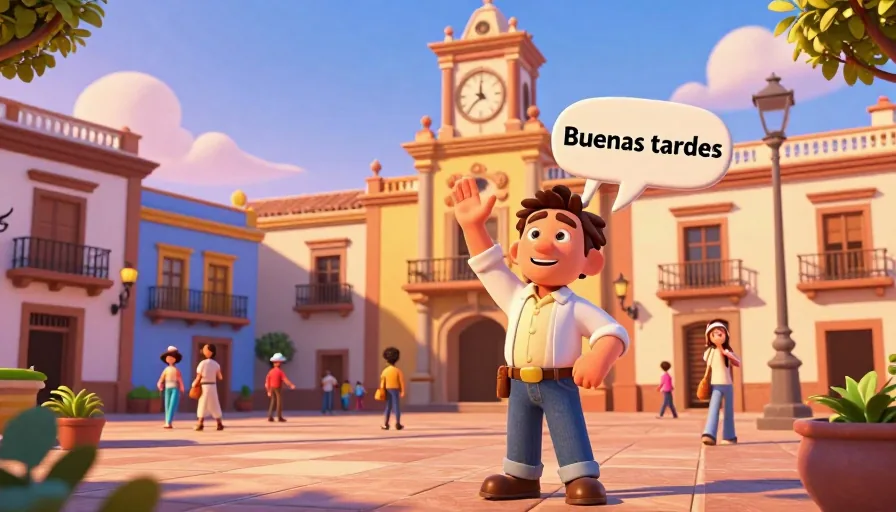
When learning Spanish, one of the first phrases you'll want to master is how do you say in Spanish good afternoon. This essential greeting, 'Buenas tardes,' is more than just a translation; it's a key to understanding Spanish culture and timing. Let's dive into the nuances of this phrase, its pronunciation, and when to use it.
The Right Time: When to Use 'Buenas Tardes'
Understanding when to use 'Buenas tardes' versus other greetings like 'Buenos días' (good morning) or 'Buenas noches' (good evening) is crucial. Here's a simple breakdown:
- Buenos días: Used from morning until around noon.
- Buenas tardes: Used from around noon until sunset.
- Buenas noches: Used from sunset onwards.
Checklist for Greeting Appropriately
- Morning greetings end around lunchtime.
- Afternoon greetings start around noon.
- Evening greetings begin at sunset.
- Consider the cultural context and time of day.
Mini Drill: Match the Greeting
-
You meet a friend at 11 AM.
- a) Buenos días
- b) Buenas tardes
- c) Buenas noches
-
You greet your teacher at 6 PM.
- a) Buenos días
- b) Buenas tardes
- c) Buenas noches
-
You say goodbye to a colleague at 8 PM.
- a) Buenos días
- b) Buenas tardes
- c) Buenas noches
Pronunciation Guide: Mastering 'Buenas Tardes'
Pronunciation is key to sounding natural. Here's a breakdown of 'Buenas tardes':
- Buenas: /ˈbwenas/
- Tardes: /ˈtaɾðes/
Interactive Audio Pronunciation Example
Listen to the audio below to hear the correct pronunciation:
[Insert Audio Player]
Common Mistakes to Avoid
- Avoid pronouncing 'Buenas' as 'Bwen-ahs'.
- Ensure 'Tardes' rolls the 'r' correctly.
- Practice the phrase slowly at first, then speed up.

Learn Languages with YouTube
Watch videos in your target language, auto-capture words into flashcards, and track your progress — all in one place.
See How It Works →Beyond the Basics: Spanish Greetings for Every Hour
While 'Buenas tardes' is essential, knowing other greetings can enhance your communication skills.
Good Morning vs. Good Afternoon vs. Good Evening in Spanish
| English | Spanish | Time of Day | Pronunciation Guide |
|---|---|---|---|
| Good Morning | Buenos días | Morning | /ˈbwenos ˈdi.as/ |
| Good Afternoon | Buenas tardes | Afternoon | /ˈbwenas ˈtaɾðes/ |
| Good Evening | Buenas noches | Evening | /ˈbwenas ˈnotʃes/ |
Real-Life Usage Examples
-
Morning Greeting:
- English: Good morning, how are you?
- Spanish: Buenos días, ¿cómo estás?
-
Afternoon Greeting:
- English: Good afternoon, nice to see you.
- Spanish: Buenas tardes, me alegra verte.
-
Evening Greeting:
- English: Good evening, have a good night.
- Spanish: Buenas noches, que tengas una buena noche.
Cultural Context: Time of Day Association
In Spanish-speaking cultures, the time of day greatly influences greetings. 'Buenas tardes' is not just a phrase; it's a marker of the day's progression. Understanding this cultural nuance will help you connect more deeply with Spanish speakers.
Short, Engaging Video Snippets
Watch the video below to see 'Buenas tardes' in action:
[Insert Video Player]
Practical Examples and Checklists
Checklist for Using 'Buenas Tardes'
- Use 'Buenas tardes' from around noon until sunset.
- Practice the pronunciation regularly.
- Observe cultural cues for appropriate greeting times.
- Combine with other phrases for natural conversation.
Mini Drill: Fill in the Blank
- I greet my colleague at 2 PM with: ___________
- At 7 PM, I say: ___________ to my friend.
- When the sun sets, I use: ___________ to wish someone a good night.
Conclusion
Mastering how do you say in Spanish good afternoon is more than just learning a phrase; it's about understanding the cultural context and timing. With practice and the right resources, you'll be greeting like a native in no time.
Start your language learning journey with Metheus.app today!
FAQ
What if I'm not sure what time it is and need to greet someone?
If you're unsure, it's generally safer to use 'Buenas tardes' after noon. Spanish speakers are usually understanding if there's a slight mistake in timing.
Can I use 'Buenas tardes' at any time of the day?
No, 'Buenas tardes' is specifically for the afternoon. Using it at the wrong time might confuse the person you're greeting.
How can I practice the pronunciation of 'Buenas tardes'?
Use the interactive audio examples provided and practice regularly. Listen to native speakers and mimic their pronunciation.
Related phrases
Start with Metheus
Watch videos in your target language, auto-capture words into flashcards, and track your progress — all in one place.
Get Started →

