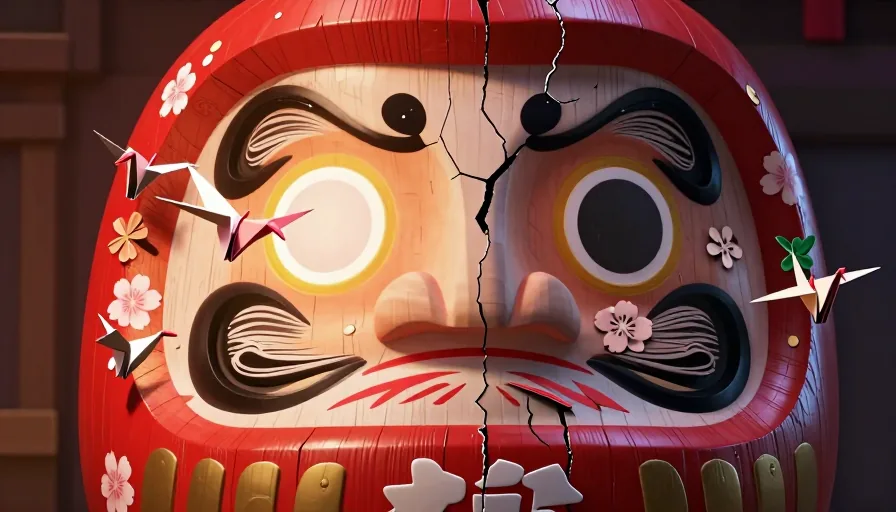
Good Luck in Japan: Mastering Cultural Encouragement with Ganbatte
When learning how to say 'good luck in Japan', it's essential to understand that the concept goes beyond mere fortune. In Japanese culture, encouragement is deeply rooted in the idea of effort and perseverance, often expressed through the phrase 'Ganbatte'. This guide will help you navigate the cultural nuances, formalities, and contextual usage of 'Ganbatte' and other related phrases.
Understanding the Cultural Nuance: Effort vs. Fortune
In English, wishing someone 'good luck' often implies hoping for favorable outcomes or fortune. In Japanese, however, encouragement is more about acknowledging and supporting someone's effort and perseverance. This cultural difference is reflected in the most common phrase for encouragement: 'Ganbatte'.
The Philosophy Behind Ganbatte
'Ganbatte' comes from the verb 'ganbaru', which means 'to endure' or 'to persevere'. It embodies the Japanese work ethic of putting in maximum effort and not giving up easily. This philosophy is deeply ingrained in Japanese society, from the workplace to sports and personal endeavors.
Common Misconceptions
A common mistake among language learners is to equate 'Ganbatte' with 'good luck'. While it can be used in situations where we might say 'good luck', its core meaning is about effort and perseverance. For example, you wouldn't say 'Ganbatte' to someone before they draw a lottery ticket, but you would say it to someone before an exam or a job interview.
Mastering 'Ganbatte': From Casual Encouragement to Formal Wishes
'Ganbatte' has various levels of formality, making it suitable for different situations. Here's a breakdown of its forms and usage:
Casual Encouragement
- Ganbatte! (頑張って!)
- Used among friends, family, or in casual settings.
- Example: 'Ganbatte ne, kyō no shiken!' (頑張ってね、今日の試験!) - 'Do your best today on the exam!'
Polite Encouragement
- Ganbatte kudasai (頑張ってください)
- Used with acquaintances, colleagues, or in polite settings.
- Example: 'Ganbatte kudasai, shain-kun.' (頑張ってください、社員くん。) - 'Do your best, employee.'
Formal Encouragement
- Ganbatte kudasai (頑張ってください)
- Used in formal settings, such as business meetings or official events.
- Example: 'Ganbatte kudasai, shachō.' (頑張ってください、社長。) - 'Do your best, president.'
Mini Drill: Choose the Right Form
Practice selecting the appropriate form of 'Ganbatte' for the following situations:
- Encouraging a friend before a job interview.
- Motivating a colleague during a project.
- Wishing a company president success in a formal speech.
Context Matters: Choosing the Right Phrase for Different Situations
While 'Ganbatte' is the most common phrase for encouragement, there are other expressions for specific contexts. Here are some alternatives:
Formal and Respectful Encouragement
- Kouun wo inorimasu (幸運を祈ります)
- Literally means 'I pray for your good fortune'.
- Used in formal settings or when wishing someone luck in a significant event.
- Example: 'Kouun wo inorimasu, shiawase na ketsumatsu wo.' (幸運を祈ります、幸せな結末を。) - 'I wish you good fortune and a happy ending.'
Casual and Friendly Encouragement
- Ganbare! (頑張れ!)
- A more casual and friendly way to say 'Ganbatte'.
- Often used among close friends or in informal settings.
- Example: 'Ganbare, kare wa kimi wo suki da yo!' (頑張れ、彼は君を好きだよ!) - 'Come on, he likes you!'
Encouragement for Competitions or Games
- Ganbatte ne! (頑張ってね!)
- A soft and gentle way to encourage someone, often used in competitions or games.
- Example: 'Ganbatte ne, kōhī-ryōkō!' (頑張ってね、コーヒー旅行!) - 'Do your best, coffee trip!'
Checklist: When to Use Each Phrase
- Use Ganbatte for general encouragement and effort.
- Use Ganbatte kudasai for polite or formal encouragement.
- Use Kouun wo inorimasu for formal or significant events.
- Use Ganbare for casual or friendly encouragement.
- Use Ganbatte ne for competitions or games.

Learn Languages with YouTube
Watch videos in your target language, auto-capture words into flashcards, and track your progress — all in one place.
See How It Works →Practical Dialogue Examples
At Work
Boss to Employee:
Boss: 'Kono shūnen, anata wa totemo ganbatte imasu ne.' (この週年、あなたはとても頑張っていますね。)
- 'You've been working really hard this year.'
Employee: 'Arigatō gozaimasu, shachō. Ganbatte kudasai.' (ありがとうございます、社長。頑張ってください。)
- 'Thank you, president. You do your best too.'
Among Friends
Friend A to Friend B:
Friend A: 'Kōhī-ryōkō, ganbatte ne!' (コーヒー旅行、頑張ってね!)
- 'Do your best on the coffee trip!'
Friend B: 'Un, ganbatte!' (うん、頑張って!)
- 'Yeah, I will!'
In a Formal Setting
Speaker to Audience:
Speaker: 'Minna-san, kōun wo inorimasu. Ganbatte kudasai.' (みんなさん、幸運を祈ります。頑張ってください。)
- 'Everyone, I wish you good fortune. Do your best.'
Audience: 'Arigatō gozaimasu. Ganbatte shimasu.' (ありがとうございます。頑張ってします。)
- 'Thank you. We will do our best.'
Cultural Context: The Underlying Philosophy of Japanese Encouragement
The Japanese concept of encouragement is deeply rooted in the idea of collective effort and mutual support. This is reflected in the use of 'Ganbatte', which is not just about individual success but also about contributing to the group's success. This philosophy is evident in various aspects of Japanese society, from the workplace to sports and personal endeavors.
The Role of 'Ganbatte' in Japanese Work Culture
In Japanese work culture, 'Ganbatte' is often used to motivate employees and foster a sense of collective effort. It is not uncommon to see signs or posters with the phrase 'Ganbatte' in offices, encouraging employees to persevere and work hard.
The Role of 'Ganbatte' in Japanese Sports
In Japanese sports, 'Ganbatte' is a common phrase used by coaches, teammates, and fans to encourage athletes. It reflects the Japanese sports ethic of perseverance, effort, and teamwork.
The Role of 'Ganbatte' in Personal Endeavors
In personal endeavors, 'Ganbatte' is used to encourage individuals to persevere and achieve their goals. It is a reminder that success often comes from hard work and determination, not just luck.
Conclusion
Mastering the art of saying 'good luck in Japan' goes beyond just learning vocabulary. It involves understanding the cultural nuances, formalities, and contextual usage of phrases like 'Ganbatte'. By doing so, you'll not only improve your language skills but also gain a deeper appreciation for the Japanese work ethic and culture.
Mini Drill: Practice Your Encouragement Skills
- Imagine you are encouraging a friend before an important exam. What would you say?
- Imagine you are a boss motivating your employees during a challenging project. What would you say?
- Imagine you are a coach encouraging your team before a big game. What would you say?
Practice these scenarios with a language partner or in front of a mirror to build your confidence and fluency in using 'Ganbatte' and other encouragement phrases.
FAQ
Is 'Ganbatte' always appropriate for wishing someone luck?
'Ganbatte' is not always appropriate for wishing someone luck. It is more about encouraging effort and perseverance. For situations where you want to wish someone good fortune, consider using 'Kouun wo inorimasu' instead.
Can I use 'Ganbatte' with strangers?
While 'Ganbatte' is a versatile phrase, it's generally best to use it with people you know or in appropriate contexts. For strangers or formal settings, consider using 'Ganbatte kudasai' or 'Kouun wo inorimasu' to maintain politeness and respect.
Related phrases
Start with Metheus
Watch videos in your target language, auto-capture words into flashcards, and track your progress — all in one place.
Get Started →

