How Do You Say Happy Birthday in Portuguese: A Comprehensive Guide
Learning how to say 'Happy Birthday' in Portuguese is a great way to connect with Portuguese-speaking friends and immerse yourself in the culture. Whether you're traveling to Brazil, Portugal, or another Portuguese-speaking country, knowing the right phrases can make your interactions more meaningful.
The Essential Way to Say 'Happy Birthday' in Portuguese
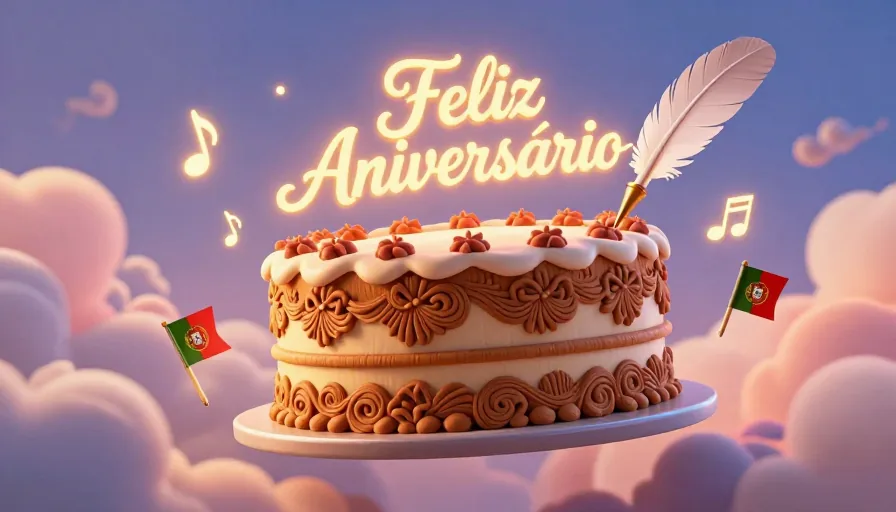
The most common way to say 'Happy Birthday' in Portuguese is 'Feliz aniversário'. This phrase is universally understood and appropriate for both formal and informal settings. Here’s a quick breakdown:
- Feliz: Happy
- Aniversário: Birthday
Pronunciation Guide
- Feliz: /fɨˈliʃ/
- Aniversário: /ɐnivɨɾˈsaɾiu/
Mini Drill
Practice saying the phrase aloud a few times to get the pronunciation right. Try saying it with different intonations to mimic both formal and informal contexts.
Understanding Regional Variations: Brazil vs. Portugal
While 'Feliz aniversário' is widely used, there are regional variations that add a touch of local flavor to your greetings.
Brazilian Portuguese
In Brazil, you might also hear 'Parabéns' used interchangeably with 'Feliz aniversário'. 'Parabéns' is a versatile term that can be used for any celebration, not just birthdays.
- Parabéns: /pɐɾɐˈbẽj̃s/
European Portuguese
In Portugal, 'Feliz aniversário' is the standard phrase. However, you might also hear 'Parabéns pelo teu aniversário', which translates to 'Congratulations on your birthday'.
- Parabéns pelo teu aniversário: /pɐɾɐˈbẽj̃s pɨlu ˈtɛw ɐnivɨɾˈsaɾiu/
Checklist for Regional Variations
- Practice 'Feliz aniversário' for both Brazilian and European Portuguese.
- Learn 'Parabéns' for informal Brazilian settings.
- Understand 'Parabéns pelo teu aniversário' for formal Portuguese settings.
Mastering the Birthday Song and Common Phrases
Knowing the birthday song and common phrases can enhance your celebration experience. Here are some essential phrases:
The Birthday Song
The birthday song in Portuguese is 'Parabéns pra você'. The lyrics are as follows:
Parabéns pra você Nesta data querida Muitas felicidades Muitos anos de vida
Common Phrases
- Muitas felicidades: Many blessings
- Muitos anos de vida: Many years of life
- Aniversariante: Birthday person
- Bolo: Cake
- Velas: Candles
- Soprar as velas: Blow out the candles
Mini Drill
Practice singing the birthday song and using the common phrases in context. Try singing the song to a friend or family member and see how they react.

Learn Languages with YouTube
Watch videos in your target language, auto-capture words into flashcards, and track your progress — all in one place.
See How It Works →Cultural Context: Celebrating Birthdays in Portuguese Culture
Birthday celebrations in Portuguese-speaking countries are vibrant and full of tradition. Understanding the cultural nuances can help you participate more meaningfully.
Brazil
In Brazil, birthday celebrations often involve a 'festa de aniversário' (birthday party) with lots of food, music, and dancing. The birthday person usually blows out the candles on the cake and makes a wish. Friends and family sing 'Parabéns pra você' together.
Portugal
In Portugal, birthday celebrations are more subdued but still joyful. The birthday person is often treated to a special meal with family and close friends. The tradition of blowing out candles and making a wish is also common.
Cultural Nuances Checklist
- Learn about the importance of the birthday cake and candles.
- Understand the significance of singing the birthday song together.
- Know the difference between Brazilian and Portuguese birthday celebrations.
Practical Examples and Conversational Flow
To integrate these phrases into your conversations, consider the following examples:
Informal Setting
Friend 1: Ei, hoje é o aniversário do João! Friend 2: Sério? Parabéns, João! Muitas felicidades! João: Obrigado! Vamos cantar 'Parabéns pra você'?
Formal Setting
Colleague 1: Hoje é o aniversário do nosso chefe. Colleague 2: Verdade? Parabéns pelo seu aniversário, chefe! Muitas felicidades! Chefe: Obrigado! Vamos celebrar com um bolo e velas?
Common Mistakes to Avoid
- Mistake: Using 'Feliz aniversário' in a context where 'Parabéns' is more appropriate.
- Mistake: Forgetting to sing the birthday song in a social setting.
- Mistake: Not understanding the cultural significance of blowing out candles.
Mini Drill
Practice these examples with a friend or language partner. Try to mimic the conversational flow and intonation.
Related Birthday Vocabulary
Expanding your vocabulary can help you navigate birthday celebrations more confidently. Here are some related terms:
- Aniversário: Birthday
- Parabéns: Congratulations
- Festa: Party
- Bolo: Cake
- Velas: Candles
- Soprar as velas: Blow out the candles
- Muitas felicidades: Many blessings
- Muitos anos de vida: Many years of life
Mini Drill
Create sentences using these vocabulary words. For example, 'Vamos soprar as velas e fazer um desejo' (Let's blow out the candles and make a wish).
Conclusion
Learning how to say 'Happy Birthday' in Portuguese is just the beginning. By understanding regional variations, mastering the birthday song, and appreciating the cultural context, you can make your birthday greetings more meaningful and authentic. Happy learning!
FAQ
Is 'Feliz aniversário' the only way to say 'Happy Birthday' in Portuguese?
No, while 'Feliz aniversário' is the most common phrase, there are regional variations like 'Parabéns' in Brazil and 'Parabéns pelo teu aniversário' in Portugal. Understanding these variations can help you communicate more effectively in different contexts.
Do Portuguese-speaking countries celebrate birthdays differently?
Yes, birthday celebrations can vary between countries. In Brazil, celebrations are often lively with lots of music and dancing, while in Portugal, they tend to be more subdued but still joyful. Understanding these cultural nuances can enhance your celebration experience.
How do I pronounce 'Feliz aniversário' correctly?
To pronounce 'Feliz aniversário' correctly, break it down into syllables: 'Feliz' is pronounced as /fɨˈliʃ/ and 'Aniversário' as /ɐnivɨɾˈsaɾiu/. Practice saying the phrase aloud a few times to get the pronunciation right.
Related phrases
Start with Metheus
Watch videos in your target language, auto-capture words into flashcards, and track your progress — all in one place.
Get Started →

