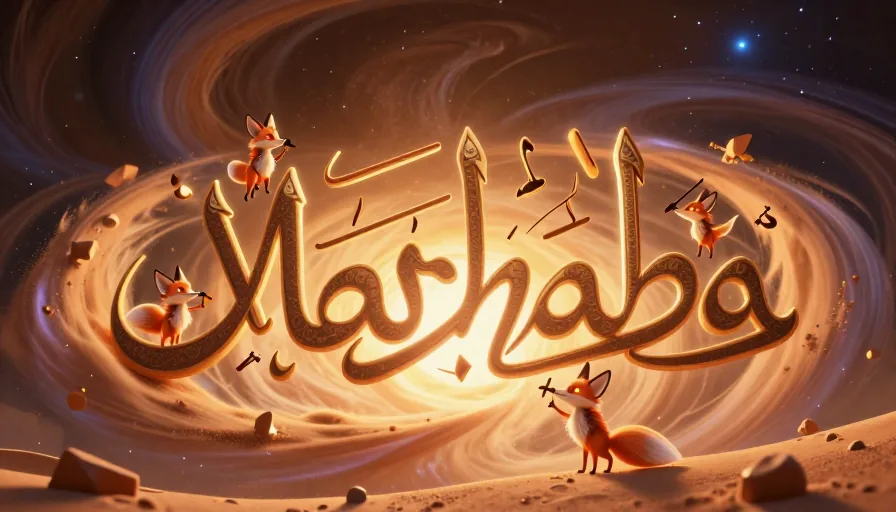
Learning the Arabic language hello is your first step into the rich and vibrant world of Arabic communication. Whether you're traveling to an Arabic-speaking country or simply want to connect with Arabic speakers, knowing how to greet someone properly is essential. This guide will walk you through the various ways to say 'hello' in Arabic, focusing on pronunciation, cultural context, and practical usage.
The Basics: Essential Arabic Greetings
Before diving into the specifics, let's start with the most basic and universally used Arabic greeting:
- Marhaba (مرحبا) - This is the most common way to say 'hello' in Arabic. It's used in both formal and informal settings.
Pronunciation: /marˈħaba/
Pronunciation Tips for Arabic Greetings
Arabic pronunciation can be challenging for non-native speakers. Here are some tips to help you get it right:
- Listen and Repeat: Use audio examples to listen to the correct pronunciation and repeat it aloud.
- Break it Down: Break down the word into syllables and practice each part separately.
- Practice with a Native Speaker: If possible, practice with a native Arabic speaker to get immediate feedback.
Formal Greetings in Modern Standard Arabic (MSA)
Modern Standard Arabic (MSA) is the formal, literary form of Arabic used in writing, news broadcasts, and formal speeches. Here are some formal greetings:
- As-salamu alaykum (السلام عليكم) - This means 'peace be upon you' and is a very formal and respectful greeting.
Pronunciation: /as.sa.la.mu a.la.jkum/
- Ahlan wa sahlan (أهلاً وسهلاً) - This means 'welcome' and is used to greet guests or visitors.
Pronunciation: /ʔah.lan wa sa.hlan/
Comparison Chart: Formal vs. Informal Greetings
| Formal Greetings (MSA) | Informal Greetings (Dialects) |
|---|---|
| As-salamu alaykum | Marhaba |
| Ahlan wa sahlan | Kayf halak (كيف حالك) |
| Marhaba | Shlon (شلون) |

Learn Languages with YouTube
Watch videos in your target language, auto-capture words into flashcards, and track your progress — all in one place.
See How It Works →Casual Greetings in Different Arabic Dialects
Arabic dialects vary significantly from one region to another. Here are some casual greetings in different dialects:
Egyptian Arabic
- Kayf halak (كيف حالك) - This means 'how are you?' and is a casual way to greet someone.
Pronunciation: /kajf ha.lak/
- Izayyak (إزاياك) - This is a very casual way to ask 'how are you?'
Pronunciation: /ʔi.za.jjak/
Levantine Arabic
- Shlon (شلون) - This means 'how are you?' and is used in informal settings.
Pronunciation: /ʃlon/
- Kifak (كيفك) - This is another casual way to ask 'how are you?'
Pronunciation: /ki.fak/
Gulf Arabic
- Kifak (كيفك) - Similar to Levantine, this means 'how are you?' and is used informally.
Pronunciation: /ki.fak/
- Shlonak (شلونك) - This means 'how are you?' and is a very casual greeting.
Pronunciation: /ʃlo.nak/
Pronunciation Tips for Arabic Greetings
Pronunciation is key to effective communication. Here are some additional tips:
- Practice with Audio Examples: Use the interactive audio examples provided to listen and repeat the greetings.
- Watch Video Snippets: Watch short video snippets demonstrating natural conversational flow to see how greetings are used in context.
- Join Language Exchange Programs: Engage with native speakers through language exchange programs to practice and improve your pronunciation.
Cultural Nuances Associated with Different Greetings
Understanding the cultural context of greetings is crucial. Here are some nuances to keep in mind:
- Formal Settings: In formal settings, it's important to use MSA greetings like 'As-salamu alaykum' to show respect.
- Informal Settings: In informal settings, using colloquial greetings like 'Marhaba' or 'Kayf halak' is more appropriate.
- Greeting Elders: When greeting elders, always use formal greetings and show deference.
Mini Drill: Practice Your Greetings
- Listen to the audio example of 'As-salamu alaykum' and repeat it aloud.
- Practice saying 'Marhaba' in different contexts, such as greeting a friend or a stranger.
- Watch a video snippet of a conversation in Egyptian Arabic and try to identify the greetings used.
Checklist for Mastering Arabic Greetings
- Learn the basic greetings in MSA and colloquial dialects.
- Practice pronunciation using audio examples and video snippets.
- Understand the cultural context of different greetings.
- Engage with native speakers to improve your pronunciation and fluency.
- Use greetings in real-life conversations to build confidence.
By following this guide, you'll be well on your way to mastering the Arabic language hello and making meaningful connections with Arabic speakers. Happy learning!
FAQ
Why is it important to learn different ways to say 'hello' in Arabic?
Learning different ways to say 'hello' in Arabic is important because it helps you communicate effectively in various settings. Using the right greeting shows respect for the cultural context and enhances your overall communication skills.
How can I improve my pronunciation of Arabic greetings?
To improve your pronunciation, use audio examples and video snippets to listen and repeat the greetings. Practicing with a native speaker or joining a language exchange program can also be very helpful.
What are the key differences between formal and informal greetings in Arabic?
Formal greetings in Arabic, such as 'As-salamu alaykum,' are used in respectful and official settings, while informal greetings like 'Marhaba' or 'Kayf halak' are used in casual and friendly contexts. Understanding these differences helps you choose the appropriate greeting for any situation.
Related phrases
Start with Metheus
Watch videos in your target language, auto-capture words into flashcards, and track your progress — all in one place.
Get Started →

