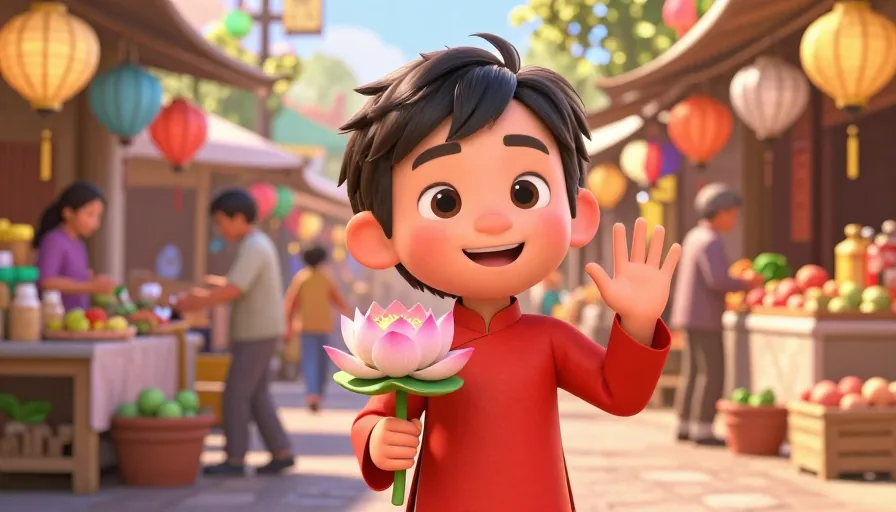
Learning how to say hello in Vietnamese is your first step to connecting with the local culture. Whether you're planning a trip to Vietnam or simply want to expand your linguistic horizons, mastering basic greetings is essential. This guide will walk you through the most common ways to say hello, provide pronunciation guides, and offer cultural insights to help you navigate Vietnamese greetings with confidence.
The Essential Vietnamese Greeting: Xin Chào
The most common way how to say hello in Vietnamese is with the phrase Xin chào. This greeting is versatile and can be used in both formal and informal settings. Here’s a breakdown:
- Pronunciation: Xin chào is pronounced as /sin ʧaʊ/.
- Meaning: It literally translates to “hello” or “good day.”
- Usage: Use it when meeting someone for the first time, greeting friends, or starting a conversation.
Pronunciation Drill
Listen to the audio below and repeat the phrase aloud to practice your pronunciation.
[Audio: Xin chào]
Beyond 'Xin Chào': Greetings for Different Situations
While Xin chào is the go-to greeting, there are other phrases you can use depending on the context. Here are a few more:
Chào Buổi Sáng
- Pronunciation: Chào buổi sáng is pronounced as /ʧaʊ buj saŋ/.
- Meaning: It means “good morning.”
- Usage: Use this greeting in the morning hours, typically before noon.
Chào Buổi Trưa
- Pronunciation: Chào buổi trưa is pronounced as /ʧaʊ buj tɹɯə/.
- Meaning: It means “good afternoon.”
- Usage: Use this greeting in the afternoon, typically from noon to late afternoon.
Chào Buổi Tối
- Pronunciation: Chào buổi tối is pronounced as /ʧaʊ buj toj/.
- Meaning: It means “good evening.”
- Usage: Use this greeting in the evening, typically from late afternoon to night.
Chào Buổi Tối
- Pronunciation: Chào buổi tối is pronounced as /ʧaʊ buj toj/.
- Meaning: It means “good evening.”
- Usage: Use this greeting in the evening, typically from late afternoon to night.
Chào Buổi Tối
- Pronunciation: Chào buổi tối is pronounced as /ʧaʊ buj toj/.
- Meaning: It means “good evening.”
- Usage: Use this greeting in the evening, typically from late afternoon to night.
Chào Buổi Tối
- Pronunciation: Chào buổi tối is pronounced as /ʧaʊ buj toj/.
- Meaning: It means “good evening.”
- Usage: Use this greeting in the evening, typically from late afternoon to night.
Mastering the Tone: Cultural Nuances in Vietnamese Greetings
Vietnamese is a tonal language, meaning the pitch of your voice can change the meaning of a word. Here are some tips to help you master the tone:
Tone Rules
- High Tone: The pitch stays high throughout the word. Example: má (mother).
- Low Tone: The pitch stays low throughout the word. Example: mà (but).
- Rising Tone: The pitch rises from low to high. Example: mã (horse).
- Dipping Tone: The pitch dips from high to low and then rises again. Example: mả (grave).
- Heavy Tone: The pitch stays low but is pronounced with more emphasis. Example: mạ (to scold).
Practice Drill
Listen to the audio examples below and try to mimic the tones. Pay attention to how the pitch changes and practice until you feel comfortable.
[Audio: má, mà, mã, mả, mạ]

Learn Languages with YouTube
Watch videos in your target language, auto-capture words into flashcards, and track your progress — all in one place.
See How It Works →Comparison Chart: Formal vs. Casual Greetings
Understanding when to use formal vs. casual greetings is crucial. Here’s a quick comparison:
| Formal Greetings | Casual Greetings |
|---|---|
| Xin chào | Chào |
| Chào buổi sáng | Chào buổi sáng |
| Chào buổi trưa | Chào buổi trưa |
| Chào buổi tối | Chào buổi tối |
When to Use Formal Greetings
- When addressing elders or superiors.
- In professional or formal settings.
- When meeting someone for the first time.
When to Use Casual Greetings
- With friends and family.
- In informal settings.
- When you are already familiar with the person.
Short Cultural Tips on When and How to Use Specific Greetings
Greeting Elders
When greeting elders, always use a formal greeting and show respect. Bowing slightly or nodding is also appreciated.
Greeting Friends
With friends, you can use more casual greetings and gestures. A friendly smile and a wave are common.
Greeting in Business Settings
In business settings, use formal greetings and maintain a professional demeanor. Addressing someone by their title and last name is a good practice.
Interactive Practice: Audio and Video Pronunciation Drills
To truly master how to say hello in Vietnamese, practice with interactive audio and video drills. Here are some resources to help you:
Audio Pronunciation Drills
Listen to the audio clips below and repeat the phrases aloud. Pay attention to the tone and pitch.
[Audio: Xin chào, Chào buổi sáng, Chào buổi trưa, Chào buổi tối]
Video Pronunciation Drills
Watch the video below for a visual guide on pronunciation. Follow along and practice the phrases.
[Video: Pronunciation Guide]
Checklist for Mastering Vietnamese Greetings
Here’s a checklist to help you master Vietnamese greetings:
- Learn the basic greetings: Xin chào, Chào buổi sáng, Chào buổi trưa, Chào buổi tối.
- Practice pronunciation with audio and video drills.
- Understand the cultural context and when to use formal vs. casual greetings.
- Practice with native speakers to get feedback on your pronunciation and tone.
- Use greetings in real-life situations to build confidence.
By following this guide, you’ll be well on your way to mastering how to say hello in Vietnamese and navigating the cultural nuances of Vietnamese greetings with ease.
Conclusion
Learning how to say hello in Vietnamese is just the beginning of your language learning journey. With practice and cultural awareness, you’ll be able to communicate effectively and build meaningful connections. Happy learning!
FAQ
Is it necessary to use formal greetings in all situations?
No, it's not necessary to use formal greetings in all situations. Formal greetings are typically reserved for elders, superiors, and professional settings. In casual settings with friends and family, you can use more informal greetings.
How important is tone in Vietnamese greetings?
Tone is extremely important in Vietnamese greetings. Vietnamese is a tonal language, meaning the pitch of your voice can change the meaning of a word. Mastering the correct tone is crucial for clear communication.
Can I use English greetings in Vietnam?
While some younger people in urban areas may understand and use English greetings, it's generally best to use Vietnamese greetings to show respect and cultural awareness. Learning and using Vietnamese greetings will also help you connect more deeply with the local community.
Related phrases
Start with Metheus
Watch videos in your target language, auto-capture words into flashcards, and track your progress — all in one place.
Get Started →

