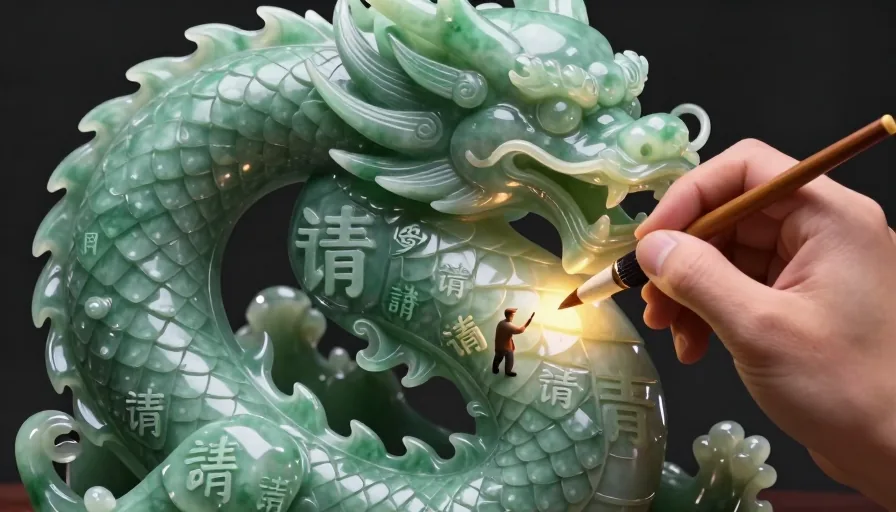
Learning how to say please in Chinese language is essential for polite communication. This guide will help you understand the nuances of 'please' in Mandarin, covering different phrases, their formality levels, and contextual usage.
The Essential 'Please': 请 (Qǐng)
The most common way to say 'please' in Chinese is 请 (qǐng). It is versatile and can be used in various situations. Here’s how to use it:
- Pinyin: qǐng
- Tones: Third tone
- Usage: General requests and invitations
Examples:
- 请坐 (Qǐng zuò) – Please sit down.
- 请问 (Qǐng wèn) – May I ask?
- 请你帮忙 (Qǐng nǐ bāngmáng) – Please help me.
Mini Drill: Practice saying these phrases aloud to get comfortable with the pronunciation and tones.
More Polite Requests: 麻烦 (Máfan) and Its Nuances
麻烦 (máfan) is another way to say 'please,' but it is more polite and formal. It literally means 'trouble' or 'bother,' so it conveys a sense of respect and consideration for the other person's time and effort.
- Pinyin: máfan
- Tones: Fourth tone for both characters
- Usage: Formal requests and when asking for favors
Examples:
- 请你帮个忙,麻烦你了 (Qǐng nǐ bāng ge máng, máfan nǐ le) – Please help me, it’s a bother.
- 请你帮我拿一下,麻烦你了 (Qǐng nǐ bāng wǒ ná yīxià, máfan nǐ le) – Please help me get this, it’s a bother.
Mini Drill: Try using 麻烦 (máfan) in sentences to express polite requests.
Formal Greetings and Requests: 您好 (Nín hǎo) vs. 请 (Qǐng)
When addressing someone formally, especially elders or superiors, you might use 您好 (nín hǎo) instead of 请 (qǐng).
- Pinyin: nín hǎo
- Tones: Second tone for 您, first tone for 好
- Usage: Formal greetings and addressing superiors
Examples:
- 您好,请问 (Nín hǎo, qǐng wèn) – Hello, may I ask?
- 您好,请坐 (Nín hǎo, qǐng zuò) – Hello, please sit down.
Mini Drill: Practice using 您好 (nín hǎo) in formal greetings and requests.

Learn Languages with YouTube
Watch videos in your target language, auto-capture words into flashcards, and track your progress — all in one place.
See How It Works →Contextual Examples of When to Use Each Phrase
Understanding the context in which to use each phrase is crucial. Here are some scenarios:
- Asking for Help: Use 请 (qǐng) or 麻烦 (máfan) depending on the formality of the situation.
- Making Requests: 请 (qǐng) is generally safe for most situations, but 麻烦 (máfan) adds a layer of politeness.
- Formal Greetings: Use 您好 (nín hǎo) followed by 请 (qǐng) for a respectful greeting.
Checklist for Polite Communication:
- Use 请 (qǐng) for general requests.
- Use 麻烦 (máfan) for more formal or polite requests.
- Use 您好 (nín hǎo) for formal greetings.
- Practice pronunciation with audio examples.
- Understand the cultural context of each phrase.
Addressing Common Learner Confusion
Many learners confuse 请 (qǐng) with other polite markers. Here’s a quick guide to clear up the confusion:
- 请 (qǐng): General polite requests.
- 麻烦 (máfan): More formal and polite requests.
- 您 (nín): Formal address for 'you.'
Interactive Audio Examples:
Listen to native speakers pronounce these phrases to improve your pronunciation and understanding. [Insert audio links here]
Comparison Chart: Formality Levels for Different 'Please' Phrases
| Phrase | Formality Level | Usage Context |
|---|---|---|
| 请 (qǐng) | Medium | General requests |
| 麻烦 (máfan) | High | Formal requests |
| 您好 (nín hǎo) | High | Formal greetings |
Integration of Cultural Context Tips
In Chinese culture, politeness is highly valued. Using the right phrase in the right context shows respect and consideration. Here are some tips:
- Always use 您好 (nín hǎo) when addressing elders or superiors.
- Use 麻烦 (máfan) when asking for significant favors.
- Be mindful of tones, as they can change the meaning of words.
By understanding these nuances, you can communicate more effectively and respectfully in Mandarin.
Practical Examples and Checklists
Practical Example:
Imagine you are in a restaurant and want to ask the waiter for more water. You could say:
- 请给我倒杯水 (Qǐng gěi wǒ dào bēi shuǐ) – Please give me a glass of water.
Checklist for Polite Communication:
- Use 请 (qǐng) for general requests.
- Use 麻烦 (máfan) for more formal or polite requests.
- Use 您好 (nín hǎo) for formal greetings.
- Practice pronunciation with audio examples.
- Understand the cultural context of each phrase.
Mini Drills for Practice
- Pronunciation Drill: Practice saying 请 (qǐng), 麻烦 (máfan), and 您好 (nín hǎo) aloud.
- Sentence Construction: Create sentences using these phrases in different contexts.
- Role-Play: Practice asking for help and making requests in a role-play scenario.
By following this guide, you will be able to say 'please' in Chinese language with confidence and cultural sensitivity.
FAQ
Is 请 (qǐng) the only way to say 'please' in Chinese?
No, while 请 (qǐng) is the most common, there are other phrases like 麻烦 (máfan) and 您好 (nín hǎo) that are used in different contexts to convey politeness and respect.
How do I know when to use 麻烦 (máfan) instead of 请 (qǐng)?
Use 麻烦 (máfan) when you want to express a higher level of politeness or when asking for significant favors. It conveys a sense of respect and consideration for the other person's time and effort.
Can I use 您好 (nín hǎo) in informal settings?
No, 您好 (nín hǎo) is a formal greeting and should be used when addressing elders, superiors, or in formal settings. In informal settings, you can use 你好 (nǐ hǎo) instead.
Related phrases
Start with Metheus
Watch videos in your target language, auto-capture words into flashcards, and track your progress — all in one place.
Get Started →

