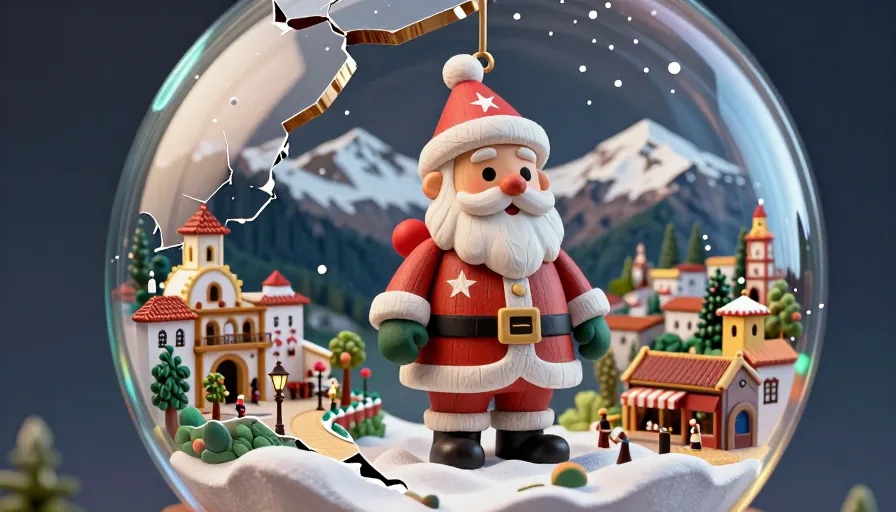
Learning how to say Santa Claus in Spanish can be a fun and culturally enriching experience, especially during the holiday season. Whether you're traveling to a Spanish-speaking country or simply want to expand your language skills, understanding the various ways to refer to Santa Claus can help you connect with locals and immerse yourself in the culture.
The Most Common Way to Say 'Santa Claus' in Spanish
The most common translation of 'Santa Claus' in Spanish is Papá Noel. This term is widely recognized and used across many Spanish-speaking countries, particularly in Latin America. It literally translates to 'Father Noel,' which is a direct equivalent to the English term 'Santa Claus.'
Pronunciation Guide for Papá Noel
- Papá: Pronounced as /paˈpa/, with the stress on the second syllable.
- Noel: Pronounced as /noˈel/, with the stress on the second syllable.
Pronunciation Tip: Practice saying 'Papá Noel' slowly, focusing on the stress on the second syllable of each word. Listen to native speakers or use language learning apps to get the pronunciation right.
Regional Variations: Santa Claus in Latin America vs. Spain
While Papá Noel is the most common term, there are regional variations that you should be aware of. In Spain, the figure of Santa Claus is less prominent, and children traditionally receive gifts from Los Reyes Magos (The Three Wise Men) on January 6th. However, Papá Noel is still recognized and used, especially in commercial contexts.
Comparative Chart of Regional Variations
| Region | Term for Santa Claus | Pronunciation Guide | Usage Context |
|---|---|---|---|
| Latin America | Papá Noel | /paˈpa noˈel/ | Widely used, especially in commercial settings. |
| Spain | Papá Noel / Los Reyes Magos | /paˈpa noˈel/ /los ˈrejes ˈmaɣos/ | Papá Noel is recognized but less prominent; Los Reyes Magos is traditional. |
Pronunciation Guide for Spanish Christmas Terms
To ensure you're pronouncing Spanish Christmas terms correctly, here are some additional tips:
- Navidad: Pronounced as /naβiˈðað/, with the stress on the third syllable.
- Nochebuena: Pronounced as /noʧeˈβwena/, with the stress on the third syllable.
- Los Reyes Magos: Pronounced as /los ˈrejes ˈmaɣos/, with the stress on the second syllable of each word.
Mini Drill: Pronunciation Practice
- Listen to native speakers saying 'Papá Noel' and repeat after them.
- Practice saying 'Navidad' and 'Nochebuena' with the correct stress on the syllables.
- Record yourself saying 'Los Reyes Magos' and compare it with a native speaker's pronunciation.

Learn Languages with YouTube
Watch videos in your target language, auto-capture words into flashcards, and track your progress — all in one place.
See How It Works →Contextual Usage: When to Use the Term in Spanish-Speaking Contexts
Understanding when and how to use the term for Santa Claus in Spanish can enhance your cultural awareness and communication skills. Here are some practical examples:
- Greeting Cards: When writing holiday greetings, you can use 'Papá Noel' to wish someone a Merry Christmas.
- Shopping: In stores, you might see decorations and advertisements featuring 'Papá Noel.'
- Conversations: Engage in conversations about holiday traditions and ask about 'Papá Noel' to learn more about local customs.
Checklist for Using 'Santa Claus' in Spanish
- Learn the pronunciation of 'Papá Noel' and practice it regularly.
- Understand the regional variations and when to use 'Papá Noel' vs. 'Los Reyes Magos.'
- Use 'Papá Noel' in holiday greetings and conversations.
- Listen to native speakers and use language learning apps for pronunciation practice.
Audio Pronunciation Examples for Each Variant
To help you master the pronunciation, here are some audio examples:
- Papá Noel: Listen to the audio
- Los Reyes Magos: Listen to the audio
By following this guide, you'll be able to confidently say 'Santa Claus' in Spanish and understand the cultural nuances behind the term. Whether you're traveling, learning the language, or simply curious, this knowledge will enrich your experience.
Additional Resources for Language Learning
- Language Learning Apps: Use apps like Duolingo, Babbel, or Rosetta Stone for interactive practice.
- Online Courses: Enroll in online courses that focus on Spanish pronunciation and cultural context.
- Language Exchange: Connect with native Spanish speakers for language exchange and practice.
By incorporating these resources into your learning journey, you'll be well on your way to mastering how to say Santa Claus in Spanish and much more.
FAQ
Is 'Papá Noel' the only way to say 'Santa Claus' in Spanish?
No, while 'Papá Noel' is the most common term, there are regional variations. In Spain, 'Los Reyes Magos' is traditionally more prominent, but 'Papá Noel' is also recognized, especially in commercial contexts.
How do you pronounce 'Papá Noel' correctly?
To pronounce 'Papá Noel' correctly, focus on the stress on the second syllable of each word. 'Papá' is pronounced as /paˈpa/, and 'Noel' is pronounced as /noˈel/. Listen to native speakers or use language learning apps for accurate pronunciation.
When should I use 'Papá Noel' vs. 'Los Reyes Magos'?
Use 'Papá Noel' in Latin America and in commercial settings in Spain. 'Los Reyes Magos' is traditionally used in Spain for gift-giving on January 6th, but 'Papá Noel' is also recognized, especially in commercial contexts.
Related phrases
Start with Metheus
Watch videos in your target language, auto-capture words into flashcards, and track your progress — all in one place.
Get Started →

