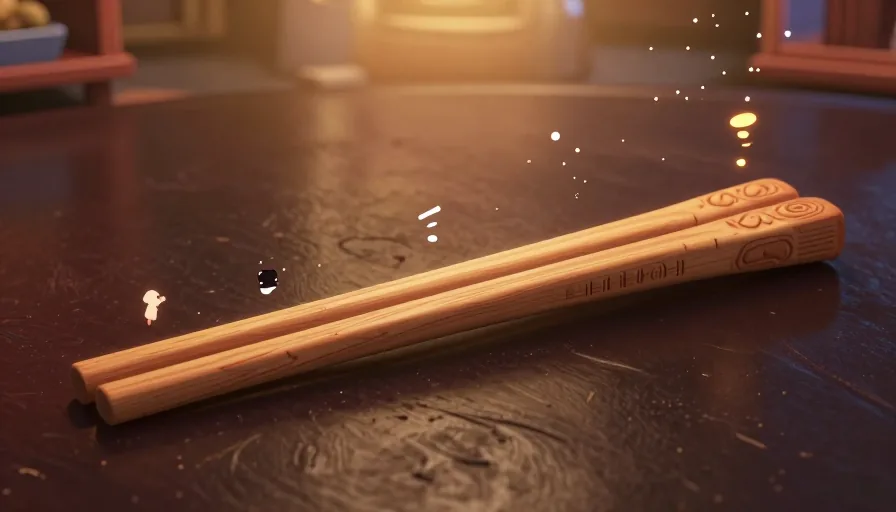
Understanding the itadakimasu translation is more than just knowing the words; it's about grasping the cultural significance behind this phrase. 'Itadakimasu' is a fundamental part of Japanese dining etiquette, expressing gratitude for the meal and acknowledging the effort that went into preparing it. This guide will delve into the literal translation vs. cultural meaning, contextual usage, politeness level, and practical tips for foreigners.
What is 'Itadakimasu'? A Deep Dive into Meaning
'Itadakimasu' is a phrase used before eating a meal. The literal itadakimasu translation is 'I humbly receive this food,' but its cultural meaning goes beyond a simple translation. It signifies respect for the food, the people who prepared it, and the overall dining experience. This phrase is a cornerstone of Japanese table manners and is deeply rooted in the country's cultural values of humility and gratitude.
Mini Drill: Pronunciation Practice
- Listen to native speakers pronounce 'Itadakimasu.'
- Practice saying it aloud, focusing on the correct intonation.
- Record yourself and compare it to native speakers.
Literal Translation vs. Cultural Context
The literal itadakimasu translation is 'I humbly receive this food,' but this doesn't capture the full essence of the phrase. In Japanese culture, food is seen as a gift from nature and the people who prepared it. Saying 'Itadakimasu' is a way of showing respect and gratitude for this gift. It's not just about the food; it's about the entire process that brought it to your table.
Common Mistakes to Avoid
- Mistake 1: Thinking 'Itadakimasu' is just a polite way to say 'I'll eat.'
- Mistake 2: Using it only when eating alone. It's used in all dining situations, from family meals to formal dinners.
- Mistake 3: Not understanding the cultural significance behind the phrase.
When and How to Use 'Itadakimasu' in Japanese Culture
'Itadakimasu' is used before starting a meal, regardless of the setting. It can be said quietly to oneself or aloud to the group. The key is to use it sincerely, acknowledging the effort and resources that went into preparing the meal.
Practical Scenarios for Usage
- Scenario 1: Family Dinner
- Say 'Itadakimasu' before everyone starts eating.
- Encourage family members to say it together.
- Scenario 2: Eating Out with Friends
- Say 'Itadakimasu' quietly to yourself before starting.
- Encourage friends to do the same.
- Scenario 3: Formal Business Dinner
- Say 'Itadakimasu' aloud to show respect for the host and the meal.
- Encourage others to do the same.

Learn Languages with YouTube
Watch videos in your target language, auto-capture words into flashcards, and track your progress — all in one place.
See How It Works →The Role of 'Masu' in Politeness Level
The 'masu' in 'Itadakimasu' is a polite verb ending. It elevates the phrase from a simple statement to a respectful expression. Understanding the role of 'masu' is crucial for mastering Japanese politeness levels. It shows humility and respect, making the phrase suitable for all dining situations.
Checklist for Polite Dining Etiquette
- Use 'Itadakimasu' before every meal.
- Say 'Gochisousama' after finishing a meal to express gratitude.
- Avoid starting to eat before everyone is served.
- Use chopsticks correctly and avoid sticking them vertically into rice.
- Say 'Sumimasen' if you need to leave the table during a meal.
How Foreigners Can Appropriately Use or Understand the Phrase
As a foreigner, understanding and using 'Itadakimasu' correctly can enhance your cultural sensitivity and respect for Japanese customs. Here are some tips:
Tips for Foreigners
- Tip 1: Practice the pronunciation until it feels natural.
- Tip 2: Observe how locals use the phrase in different settings.
- Tip 3: Ask for corrections if you're unsure about the usage.
- Tip 4: Be sincere in your use of the phrase. It's about respect and gratitude, not just words.
Mini Drill: Cultural Immersion
- Watch Japanese dramas or movies to see how 'Itadakimasu' is used in various scenarios.
- Try to incorporate the phrase into your daily meals, even if you're eating alone.
- Share your experiences with friends or language exchange partners.
Conclusion
Mastering the itadakimasu translation and its cultural nuances is a significant step in understanding Japanese dining etiquette. By practicing sincerely and observing local customs, you can incorporate this phrase into your language skills and show respect for Japanese culture. Remember, it's not just about the words; it's about the spirit behind them.
FAQ
Is it necessary to say 'Itadakimasu' every time I eat?
Yes, 'Itadakimasu' should be said before every meal, regardless of the setting. It's a way of showing respect and gratitude for the food and the effort that went into preparing it.
Can I use 'Itadakimasu' when eating alone?
Absolutely. 'Itadakimasu' is used in all dining situations, including when eating alone. It's a personal expression of gratitude for the meal.
What if I forget to say 'Itadakimasu'?
If you forget to say 'Itadakimasu,' it's not a big deal. Just start using it consistently from your next meal. The important thing is to be sincere when you do use it.
Related phrases
Start with Metheus
Watch videos in your target language, auto-capture words into flashcards, and track your progress — all in one place.
Get Started →

