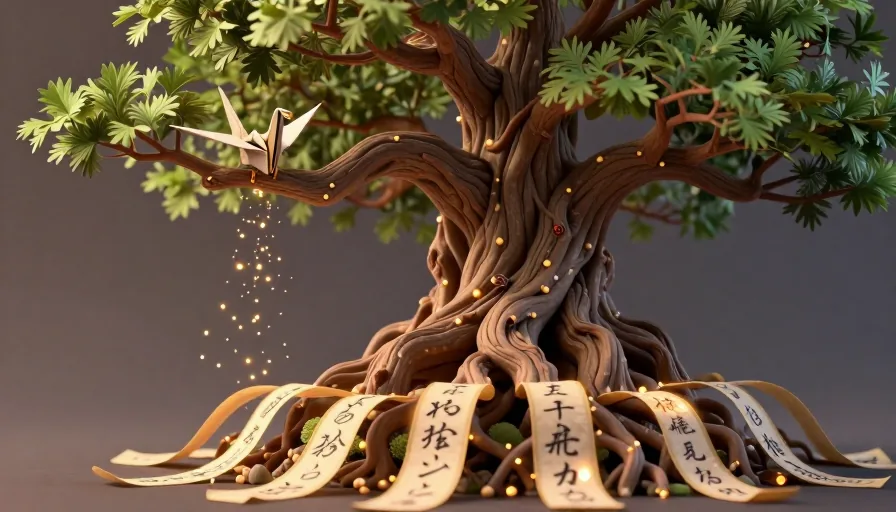
Japanese sayings about life offer profound insights into the cultural values and philosophies of Japan. These sayings, known as kotowaza, are not just words but encapsulate the essence of Japanese wisdom and are deeply rooted in the country's rich history and traditions. By understanding and applying these sayings, language learners can gain a deeper appreciation for the Japanese language and culture.
Understanding the Philosophy Behind Japanese Sayings
Japanese sayings about life are more than just words; they reflect the core values of Japanese culture, such as perseverance, humility, and resilience. These sayings often draw from Buddhist and Shinto philosophies, emphasizing harmony, patience, and self-reflection. For instance, the saying 継続は力なり (Keizoku wa chikara nari) translates to 'Continuation is power,' highlighting the importance of persistence and consistency in achieving goals.
10 Essential Japanese Sayings for Life Lessons
1. 継続は力なり (Keizoku wa chikara nari)
This saying emphasizes the power of persistence. It is often used to encourage someone to keep going despite obstacles. For example, a teacher might say this to a student struggling with a difficult subject, reminding them that consistent effort will lead to success.
2. 七転び八起き (Shichiten hachiki)
Meaning 'fall down seven times, get up eight,' this saying teaches resilience and the importance of not giving up. It is often used in sports or when encouraging someone to overcome repeated failures.
3. 振り向くな、振り向くな、後ろには夢がない (Furimuku na, furimuku na, ushiro ni wa yume ga nai)
This saying translates to 'Don't look back, don't look back, there are no dreams behind you.' It encourages forward-thinking and focusing on the future rather than dwelling on the past.
4. 初心を忘るな (Shoshin wo wasuruna)
Meaning 'Do not forget the beginner's mind,' this saying emphasizes the importance of maintaining a curious and open mindset, free from preconceptions. It is often used in martial arts and other disciplines to encourage continuous learning.
5. 後先を考えず (Atosaki wo kangaezu)
This saying translates to 'Do not think about the future or the past.' It encourages living in the present moment and focusing on the task at hand.
6. 言わぬが花 (Iwanu ga hana)
Meaning 'Silence is golden,' this saying emphasizes the value of restraint and the power of unspoken words. It is often used to advise someone to keep quiet rather than speak unnecessarily.
7. 言わぬが花 (Iwanu ga hana)
Meaning 'Silence is golden,' this saying emphasizes the value of restraint and the power of unspoken words. It is often used to advise someone to keep quiet rather than speak unnecessarily.
8. 言わぬが花 (Iwanu ga hana)
Meaning 'Silence is golden,' this saying emphasizes the value of restraint and the power of unspoken words. It is often used to advise someone to keep quiet rather than speak unnecessarily.
9. 言わぬが花 (Iwanu ga hana)
Meaning 'Silence is golden,' this saying emphasizes the value of restraint and the power of unspoken words. It is often used to advise someone to keep quiet rather than speak unnecessarily.
10. 言わぬが花 (Iwanu ga hana)
Meaning 'Silence is golden,' this saying emphasizes the value of restraint and the power of unspoken words. It is often used to advise someone to keep quiet rather than speak unnecessarily.

Learn Languages with YouTube
Watch videos in your target language, auto-capture words into flashcards, and track your progress — all in one place.
See How It Works →How to Use These Sayings in Conversation
Incorporating Japanese sayings about life into your daily conversations can enrich your language skills and cultural understanding. Here are some practical tips:
-
Contextual Use: Understand the context in which these sayings are used. For example, 継続は力なり is often used in educational or professional settings to encourage perseverance.
-
Practice with Native Speakers: Engage in conversations with native speakers and try to use these sayings in appropriate contexts. This will help you internalize their meanings and usage.
-
Media Immersion: Watch Japanese movies, TV shows, and listen to podcasts to hear these sayings in action. Pay attention to how they are used and in what situations.
-
Reflective Journaling: Keep a journal where you write down these sayings and reflect on their meanings. Try to apply them to your own life and experiences.
Practical Tips for Internalizing Japanese Sayings
Checklist for Mastering Japanese Sayings
- Learn the Meaning: Understand the literal and cultural meanings of each saying.
- Practice Pronunciation: Ensure you can pronounce the sayings correctly.
- Use in Context: Practice using the sayings in different contexts to understand their nuances.
- Reflect on Application: Think about how these sayings can be applied to your own life and experiences.
- Engage with Native Speakers: Discuss these sayings with native speakers to gain deeper insights.
Mini Drills for Practice
- Translation Drill: Write down the English translation of each saying and practice translating it back to Japanese.
- Contextual Drill: Create sentences using these sayings in different contexts and practice speaking them aloud.
- Reflective Drill: Write a short paragraph reflecting on how each saying applies to your life and what you can learn from it.
Conclusion
Japanese sayings about life are more than just words; they are windows into the rich cultural heritage and philosophy of Japan. By understanding and applying these sayings, language learners can gain a deeper appreciation for the Japanese language and culture. Whether you are a beginner or an advanced learner, incorporating these sayings into your language learning journey can enrich your experience and provide valuable life lessons.
FAQ
How can I remember these Japanese sayings about life?
To remember these sayings, practice them regularly, use them in context, and reflect on their meanings. Writing them down and practicing their pronunciation can also help.
Are these sayings still relevant in modern Japanese culture?
Yes, these sayings are still relevant and widely used in modern Japanese culture. They are often seen in media, literature, and daily conversations, reflecting the enduring values of Japanese society.
Can I use these sayings in formal settings?
Yes, many of these sayings are appropriate for formal settings, especially those that emphasize perseverance and humility. However, it's important to use them in the right context and with the right tone.
How do these sayings reflect Japanese cultural values?
These sayings reflect core Japanese cultural values such as perseverance, humility, and resilience. They often draw from Buddhist and Shinto philosophies, emphasizing harmony, patience, and self-reflection.
Are there any resources to learn more about Japanese sayings?
Yes, there are many resources available, including books, online courses, and language learning apps. Engaging with native speakers and immersing yourself in Japanese media can also provide valuable insights.
FAQ
How can I remember these Japanese sayings about life?
To remember these sayings, practice them regularly, use them in context, and reflect on their meanings. Writing them down and practicing their pronunciation can also help.
Are these sayings still relevant in modern Japanese culture?
Yes, these sayings are still relevant and widely used in modern Japanese culture. They are often seen in media, literature, and daily conversations, reflecting the enduring values of Japanese society.
Can I use these sayings in formal settings?
Yes, many of these sayings are appropriate for formal settings, especially those that emphasize perseverance and humility. However, it's important to use them in the right context and with the right tone.
How do these sayings reflect Japanese cultural values?
These sayings reflect core Japanese cultural values such as perseverance, humility, and resilience. They often draw from Buddhist and Shinto philosophies, emphasizing harmony, patience, and self-reflection.
Are there any resources to learn more about Japanese sayings?
Yes, there are many resources available, including books, online courses, and language learning apps. Engaging with native speakers and immersing yourself in Japanese media can also provide valuable insights.
Related phrases
Start with Metheus
Watch videos in your target language, auto-capture words into flashcards, and track your progress — all in one place.
Get Started →

